GPAI
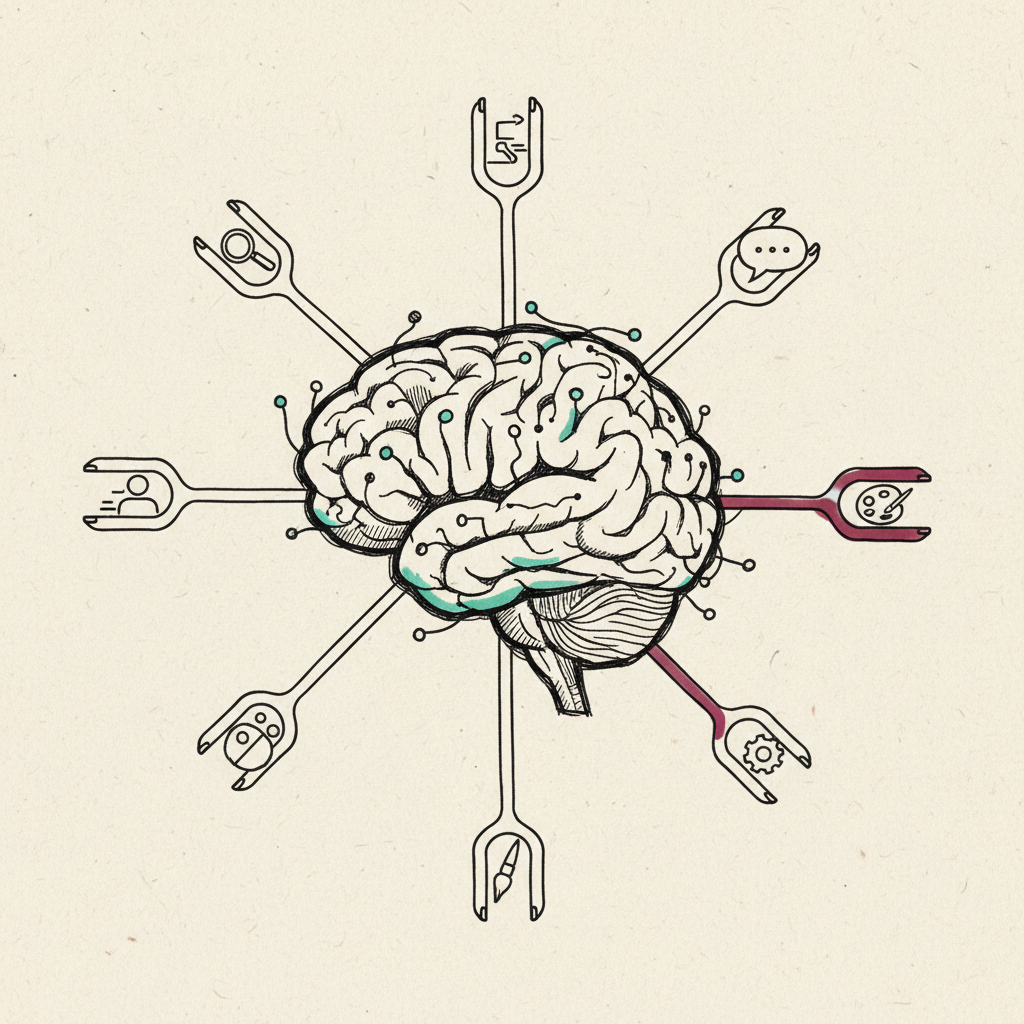
AI Act category for powerful AI models deployed across many applications, covering systems like GPT-4 and Gemini.
The AI Act's GPAI enforcement Deadline stayed fixed at 2 August 2026 when the EU's AI Omnibus deal split compliance into two speeds on 7 May, giving high-risk systems until December 2027 while frontier providers keep the original date.
Last refreshed: 4 August 2026 · Appears in 1 active topic
Which AI models count as systemic-risk GPAI and what extra obligations do they face?
Timeline for GPAI
Mentioned in: Six states name no AI Act regulator
European Tech SovereigntyMentioned in: Omnibus widens the AI Office's reach
European Tech SovereigntyMentioned in: US partly lifts its Anthropic model curb
European Tech SovereigntyMentioned in: US order pulls Anthropic's top models
European Tech SovereigntyFrance chairs G7 Digital Ministerial on 29 May
European Tech SovereigntyBackground
general-purpose AI (GPAI) is the regulatory category established in Title VIII of the EU AI Act (Regulation 2024/1689) to govern AI models trained on large amounts of data that can perform a wide Variety of tasks across domains, including large language models, image generation models and multimodal systems. Unlike narrow AI systems built for a specific purpose, GPAI models are integrated into downstream applications by third parties, creating complex liability and oversight questions.
The Act distinguishes standard GPAI models from those posing systemic risk, defined as models with training compute exceeding 10^25 FLOPs, which face enhanced obligations including mandatory adversarial testing, incident reporting to the AI Office, and cybersecurity measures. France negotiated protections for open-weight models such as Llama and Mistral, giving them lighter obligations than closed frontier models.
Its deadline survived the Omnibus split
The Council and Parliament's 7 May 2026 AI Omnibus deal pushed the high-risk AI compliance Deadline from 2 August 2026 to 2 December 2027, but left GPAI enforcement, covering providers such as OpenAI, Google and Anthropic, unchanged at 2 August 2026.
On 27 July a further Omnibus provision took effect widening the AI Office's reach to cover AI systems built into large platforms and search engines under the same regulator as the underlying model, closing a route by which platforms might have argued their AI features sat outside GPAI's own duties.
A foreign curb tested its deadline
On 12 June 2026 the US ordered Anthropic to block foreign nationals from Fable 5 and Mythos 5; nationality screening proved unworkable, so Anthropic pulled both models worldwide, including for EU institutions, five weeks before GPAI enforcement was due to begin.
The US Commerce Department partially reversed the restriction on 27 June, converting a global cut-off into a Conditional Access arrangement while leaving the underlying block in place. European enterprises planning procurement under the 2 August GPAI Deadline were left facing shifting access terms rather than stable supply.
What is GPAI under the EU AI Act?
Does the EU AI Act apply to ChatGPT and Google Gemini?
Why does Mistral AI get lighter rules under the EU AI Act?


