Donald Trump posted on Truth Social at 17:00 Washington time on Sunday 17 May: 'For Iran, the Clock is Ticking, and they better get moving, FAST, or there won't be anything left of them. TIME IS OF THE ESSENCE!'. A follow-on post the same evening demanded Iran dismantle its missile arsenal, sever ties with regional allies, and end enrichment. Those terms sit beyond the 14-point US MoU (Memorandum of Understanding) routed through Pakistan on 7 May . The action paper trail ran in the opposite direction. The presidential-actions index recorded zero Iran instruments across Saturday 16, Sunday 17, and Monday 18 May: no executive order, no proclamation, no memorandum, no presidential determination, no Federal Register entry, no troop-authorisation release. CENTCOM (US Central Command) rules of engagement, last revised in early April, were unchanged in the publicly accessible record. OFAC (Office of Foreign Assets Control) added no new mainland-China refinery to its SDN list, leaving the Hong Kong-shell pattern of 11 and 15 May intact . Senator Lisa Murkowski's Iran AUMF (authorisation for use of military force) also remained unfiled . The Administration's working rationale, as Defence Secretary Pete Hegseth told the Senate Armed Services Committee under oath on 12 May, is that Article 2 of the Constitution covers continued strikes without a fresh authorisation. That doctrine holds the absence of an AUMF as a feature rather than a bug. Abolfazl Shakarchi, Iran armed forces spokesman, replied via Mehr News Agency: the US had offered 'no tangible concessions' and any further threat would meet 'more crushing and severe blows'. The Iranian foreign ministry confirmed Tehran had transmitted its reply through Pakistan and stood 'ready' to confront any attack. The weekend exchange added two posts and one wire statement to the public record. The signed record on Iran added Italian minesweepers and a French frigate-availability target. The verbal track is doing the work of policy because the signed track is silent, which leaves the European naval deployments setting the operational template Washington can sign onto later or argue around.
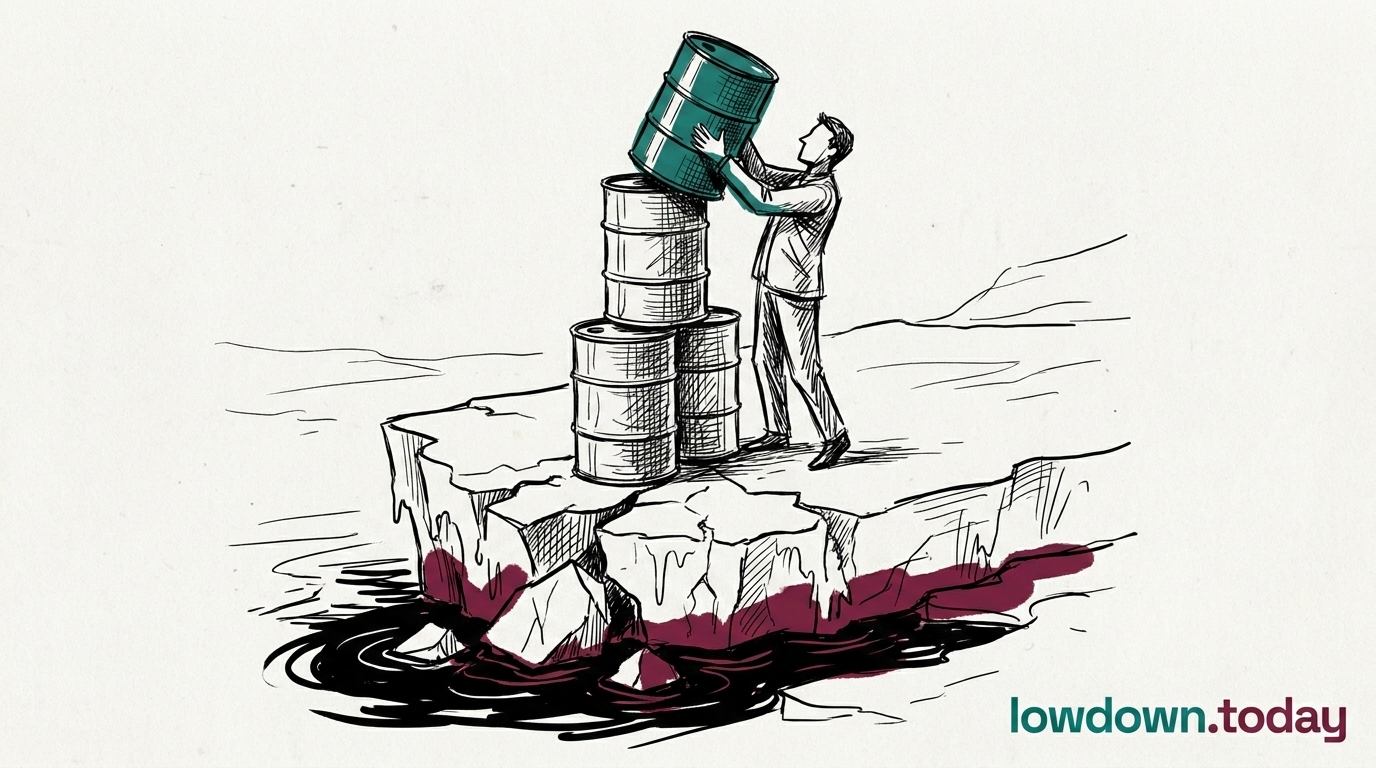
Trump signed nothing on Iran across Day 80
Across Saturday, Sunday and Monday the White House presidential-actions index recorded zero Iran instruments, while Donald Trump posted two Truth Social threats demanding terms beyond the existing US memorandum.
Trump posted two threats; the White House signed nothing on Iran across Day 80.
Deep Analysis
On Day 80 of the Trump administration's Iran diplomacy, the White House signed nothing. No executive order, no formal military directive, no new sanctions. This sounds like nothing happened, but in diplomatic terms, deliberate inaction is a decision. Trump posted public demands on social media that Iran give up its missiles and cut ties with armed groups across the region. Those demands go further than the 14-point deal framework that Oman had been quietly negotiating. By posting maximalist demands without signing anything, Trump keeps both the threat and the deal option alive, without committing to either.
The Day 80 ledger gap reflects two structural constraints operating simultaneously. First, the US constitutional framework places war powers in a genuinely contested space: the Murkowski AUMF, if filed and passed, would transfer meaningful authority to Congress and constrain Trump's flexibility, so the executive has an incentive to delay it indefinitely while extracting political benefit from the threat.
Second, the 14-point MOU was negotiated by Oman as a maximalist opening framework, and any signed presidential instrument formally anchors US positions in ways that are difficult to walk back. Trump's advisers have consistently chosen oral and social-media commitments over signed documents precisely because they carry lower reversal costs.
- Consequence
Each additional day without a signed instrument narrows the deal window: Iran's nuclear team will interpret prolonged silence as the administration choosing military escalation over diplomacy.
Short term · 0.68 - Risk
If the Murkowski AUMF is filed in the next 30 days, Iran will likely treat it as a de facto declaration of intent and respond with a provocation designed to test coalition cohesion.
Medium term · 0.58 - Precedent
A sustained presidential-action gap on a live military confrontation would be the longest such gap since Korea; it redefines what 'maximum pressure' looks like in a social-media era.
Long term · 0.62
Update #101 · Barakah hit, Trump posts, Italy sends minesweepers





