Skip to content
Welcome, thoughtbot's Giant Robots listeners!Start here
European Oil Markets
29MAY

OPEC adds 188kbd into 37-year output low

3 min read
14:36UTC

OPEC+ voted on Sunday 7 June to pump 188kbd more crude in July, the third hike running, into a month its 11 members produced the least oil in 37 years.

EconomicDeveloping
Key takeaway

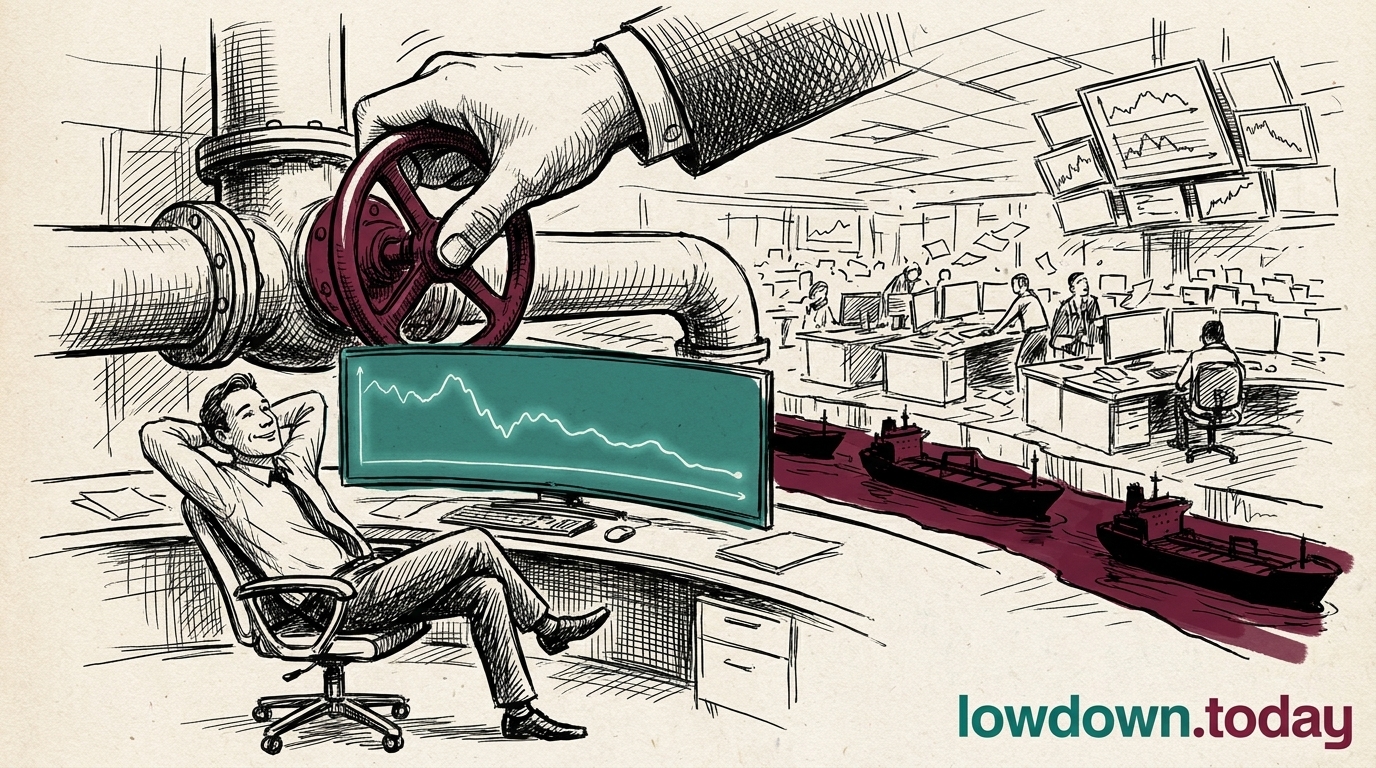
OPEC+ is defending its price-setting credibility, not balancing a market it can no longer supply.

OPEC+ ratified a 188kbd July output increase at the 41st ministerial video conference on Sunday 7 June, the third consecutive hike, with August and September already signalled. OPEC+ is the wider producer group led by Saudi Arabia and Russia that sets monthly quotas. The decision lands against the cartel's own collapse: its 11 remaining members produced 16.33mbd (million barrels per day) in May, down 1.22mbd on the month, the lowest in 37 years. The hike restores roughly 15% of a single month's lost output, a ratio near 1:6.5.

The member detail shows where the barrels went. Iran fell 710kbd to 2.34mbd, Kuwait dropped 310kbd to 490kbd, under a fifth of pre-war volume, and Saudi Arabia eased 240kbd to 6.57mbd. The UAE, outside OPEC's quota framework since 1 May, added 300kbd to 2.44mbd and now sits beyond the agreement entirely.

The market had expected this vote to pass despite collapsing group output; the new fact is the freshly quantified gap between paper and physical. OPEC's spare capacity enforced cohesion in 2020, when Saudi Arabia could switch idle barrels on. In 2026 the binding constraint runs the other way: a member base physically unable to lift, so the quota describes a fiction the schedule cannot revise fast enough to correct.

For a spreads desk the read is that the barrels OPEC voted to add do not exist, so the hike moves the flat price as a signal but commits no supply behind it. Set against the China demand hole that compressed the Brent-Dubai exchange-for-swaps last week, the market is short of physical crude at both ends, with quota arithmetic that cannot close the gap.

Deep Analysis

In plain English

OPEC+ is a group of major oil-producing countries that coordinate how much oil they pump. Pumping more oil generally pushes prices down; pumping less keeps them up. On 7 June, these countries voted to add 188,000 barrels a day of oil to July output, the third month running they have approved such an increase. The catch is that they are already producing far less oil than normal because the strait of Hormuz, the narrow sea channel most Gulf oil must pass through, is currently being blockaded. So the increase largely plugs a gap rather than flooding the market with new supply.

Deep Analysis
Root Causes

Saudi Arabia's willingness to vote hikes against its own fiscal breakeven reflects two structural pressures. The UAE's May 2026 OPEC exit removed Riyadh's biggest coalition constraint. With the UAE operating outside the quota framework and adding 300kbd independently, every barrel the Saudis withhold merely cedes market share to a neighbour who has already opted out.

The OPEC+ compliance architecture has broken down in parallel: Russia is producing 200-500kbd above quota, Kazakhstan is 322kbd long on Tengiz expansion, and Iraq has been chronically non-compliant for years. Voting hikes while compliance deteriorates allows Riyadh to maintain the appearance of quota leadership without actually constraining competitors who are already ignoring their ceilings.

What could happen next?
  • Consequence

    Each successive 188kbd hike locks in a larger nominal paper supply overhang that will deflate spot prices sharply once Hormuz delivery constraints lift.

    Medium term · Assessed
  • Risk

    Saudi Arabia running below its fiscal breakeven of $108-111 for multiple quarters risks Vision 2030 budget pressure and potential policy reversal to deeper cuts.

    Medium term · Assessed
  • Precedent

    The UAE's out-of-quota expansion while fellow OPEC+ members vote hikes they cannot deliver normalises a two-tier cartel structure where exit is the credible alternative to quota compliance.

    Long term · Reported
First Reported In

Update #6 · OPEC's quota is fiction at a 37-year low

Hellenic Shipping News· 8 Jun 2026
Read original →
Causes and effects
This Event
OPEC adds 188kbd into 37-year output low
The cartel is now adding paper barrels no member can physically lift, which turns the quota into a price signal rather than a supply commitment and changes how spreads desks read every flat-price spike.
Different Perspectives
S&P Global
S&P Global
S&P Global said on 12 November that thin refining buffers leave jet fuel exposed to price spikes in 2027. Its view cuts against the pump-lag case, because tight middle distillates would keep jet and diesel dear even as crude falls.
European Union
European Union
The Commission proposed a 22nd package on 23 November that would list more than 70 more tankers and ban Russia-insured ones, after listing Balance Insurance on 16 November. It needs every member state's vote, so Russian tanker insurance becomes the EU's next test of unanimity.
UK households and hauliers
UK drivers paid 193.29p a litre for diesel in the week of 23 November, DESNZ data show, 31.33p more than petrol, and BoilerJuice quoted heating oil at 96.51p a litre before VAT. They pay the gap that crude's fall has not closed, with motor fuels up 33.2% in October's inflation figures.
Saudi Arabia and the OPEC+ Seven
The OPEC+ Seven held December output at September's level on 1 November, and Saudi Aramco priced December Arab Light to Europe below Brent, Attaqa reported. The full group decides on Sunday 29 November whether about 2m b/d of cuts outlast 2026, with Saudi diesel loadings already up 30% in early November.
Eni
Eni
Eni reported a third-quarter standard refining margin of $28.1 a barrel and raised its full-year assumption from $14 to $18. Its finance chief Francesco Gattei said on the 23 October call that the quarter to date was at $18, press coverage reported, so the refiner sees its windfall shrinking.
Gulf oil producer
Gulf oil producer
Secured OPEC's confirmed 188,000 b/d September increment with the next meeting set for 6 September, but the Secretariat's own 2 August release says nothing about the fourth quarter. Output guidance beyond September remains undisclosed even as delegate sourcing keeps filling that gap.

Written with AI from Lowdown's published reporting. Not individually reviewed by an editor. Editorial standards.
