Skip to content
Welcome, thoughtbot's Giant Robots listeners!Start here
European Oil Markets
22JUN

UK picks HII at £303m; tender said £125m

3 min read
09:55UTC

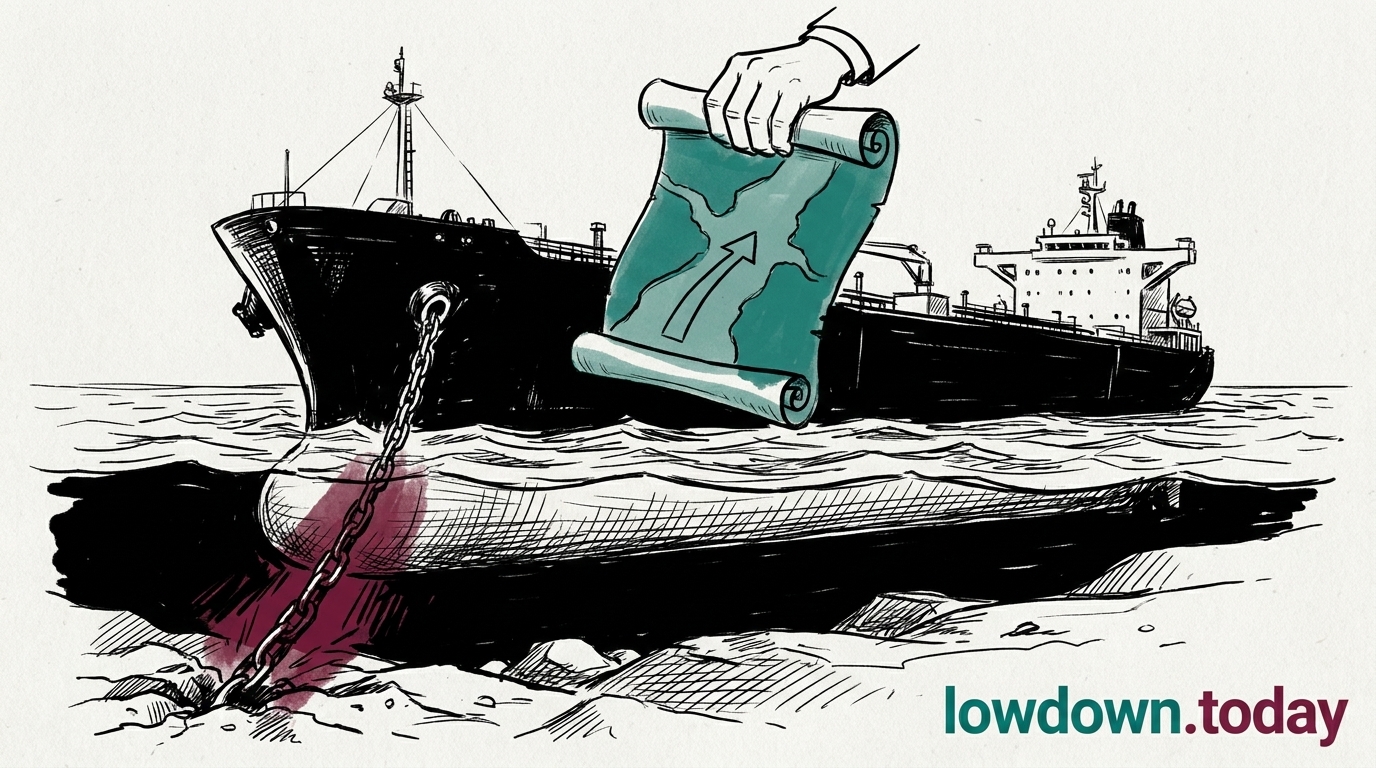
Britain will pay HII Unmanned Systems £303m for mine-hunting underwater robots that its own tender notice priced at £125m.

EconomicAssessed
Key takeaway

Britain's mine-hunting robot award came in at 2.42 times its own tender estimate.

Defence Equipment and Support (DE&S), the UK Ministry of Defence's procurement arm, named HII Unmanned Systems on 3 November as intended winner of the Mine Hunting Capability (MHC) Block 2 vehicle contract, at £303m excluding VAT⁠1. HII Unmanned Systems is the uncrewed arm of Huntington Ingalls Industries, the US naval shipbuilder. The October 2025 tender notice had priced the same buy at £125m⁠2.

The award covers eight mission systems, each pairing uncrewed underwater vehicles (UUVs) with launch and recovery gear and in-service support, plus an option for up to twelve more. Neither notice gives a vehicle count. Bids were scored on technical merit alone once each cleared a pass/fail check against maximum prices in the tender pack. By Lowdown's arithmetic the award is 2.42 times the advertised figure, and it arrives five months after the 1 June award date the notice set.

Scope may explain part of the gap. Launch and recovery systems appear in the award but not the tender, and the award caps an extra-quantity option the tender left open. The award notice does not say whether £303m includes those options.

Three bidders lost: TKMS Atlas UK, the Dorset-based British arm of Germany's thyssenkrupp Marine Systems (TKMS); Iceland's Teledyne Gavia; and France's Exail. Thales UK sits on both sides. It lost through Exail, which Thales is buying, and won as one of five British subcontractors to HII, alongside SeeByte of Edinburgh.

The standstill, the legal pause in which a losing bidder can challenge an award, ends in mid-November, with signature planned days later. These vehicles are separate from the three support ships Britain is buying jointly with Norway, which carry £90m against a build Navy Lookout put at about £330m.


Deep Analysis

In plain English

Sea mines are hidden explosives that can sink ships and block ports. The Royal Navy is replacing crewed minehunter ships with robots: small unmanned submarines that search the seabed with sonar while sailors stay at a safe distance. Defence Equipment and Support is the British government agency that buys military kit. It has picked HII, part of a large American shipbuilder, to supply eight sets of these robots plus the cranes and cradles that launch and recover them. The price is far above the government's first estimate, and the government has not said why.

Deep Analysis
Root Causes

Production volume decides vehicle competitions like this one. HII had delivered more than 750 REMUS vehicles to over 30 countries by May 2026 and runs a European hub at Portchester. No British maker has a comparable installed base, so a competition scored on technical merit favours the vendor with the longest service record.

The Mine Hunting Capability programme also ties Britain to allies' kit. The support ships are a joint buy with Norway, and the AUKUS payloads Britain leads must fit US and Australian vehicles. A vehicle already in US Navy service eases that fit.

What could happen next?
  • Consequence

    TKMS Atlas UK, Teledyne Gavia or Exail can challenge the award before the standstill period ends in mid-November.

    Immediate · Assessed
  • Precedent

    Future British uncrewed buys may follow the same split: foreign vehicle, British payloads and software.

    Medium term · Assessed
  • Risk

    If the twelve-system option is exercised, total spending could rise well above £303m, though the notice does not say whether £303m already prices the option.

    Long term · Assessed
First Reported In

Update #14 · UK names HII at £303m; its tender said £125m

Defence Equipment and Support· 8 Nov 2026
Read original →
Causes and effects
This Event
UK picks HII at £303m; tender said £125m
The award sets what Britain pays for uncrewed mine-hunting and puts the vehicles with a US firm, while British subcontractors keep the sensor and software share.
Different Perspectives
Gulf oil producer
Gulf oil producer
Secured OPEC's confirmed 188,000 b/d September increment with the next meeting set for 6 September, but the Secretariat's own 2 August release says nothing about the fourth quarter. Output guidance beyond September remains undisclosed even as delegate sourcing keeps filling that gap.
Money manager positioned in WTI
Added 28,964 lots to a 92,943 net long in NYMEX WTI in the week to 28 July, against just 1,485 added to Brent's 15,740, a roughly twenty-to-one split. Conviction sits in the American benchmark even as the European diesel story sets the record.
Indian refiner buying Urals
Bought Russian crude at a discount that narrowed to $1-2 a barrel in the week to 29 July from over $10, as Hormuz risk pushed it toward Urals. If that risk eases with the strike now called off, the discount it is currently enjoying could re-widen just as fast.
Russian diesel exporter
Novak tied any lifting of the diesel export ban, due to lapse 31 July, to an unspecified market recovery with no date, and pushed the gasoline ban to end-2026. An open-ended constraint suits an exporter benefiting from the record European crack it feeds.
War-risk underwriter
Withdrew war-risk cover for Saudi-linked hulls on 24 July and has not reinstated it, holding Bab el-Mandeb tanker transits near 7.5 a day. A cancelled strike does not by itself trigger the committee review needed to re-accept the class.
Northwest European refiner
Sources only 17% of diesel imports from Saudi Red Sea ports against the Mediterranean's 24%, so the ARA crack at $85.86 trails the Med print by $5.81. Lower Red Sea exposure is cushioning it against the rerouting cost, not eliminating it.

Written with AI from Lowdown's published reporting. Not individually reviewed by an editor. Editorial standards.
