Skip to content
You can now search across every topic, entity and event.What's new
European Oil Markets
18MAY

UKMTO raises Hormuz advisory to critical

3 min read
17:30UTC

UK Maritime Trade Operations upgraded the Strait of Hormuz commercial shipping advisory to its critical tier on 4 May after recording 41 vessel incidents in ten weeks, the first wartime escalation to the maximum level since 28 February.

EconomicDeveloping
Key takeaway

The strait is now critical-tier; insurance and labour costs price the kinetic exchange into every transit.

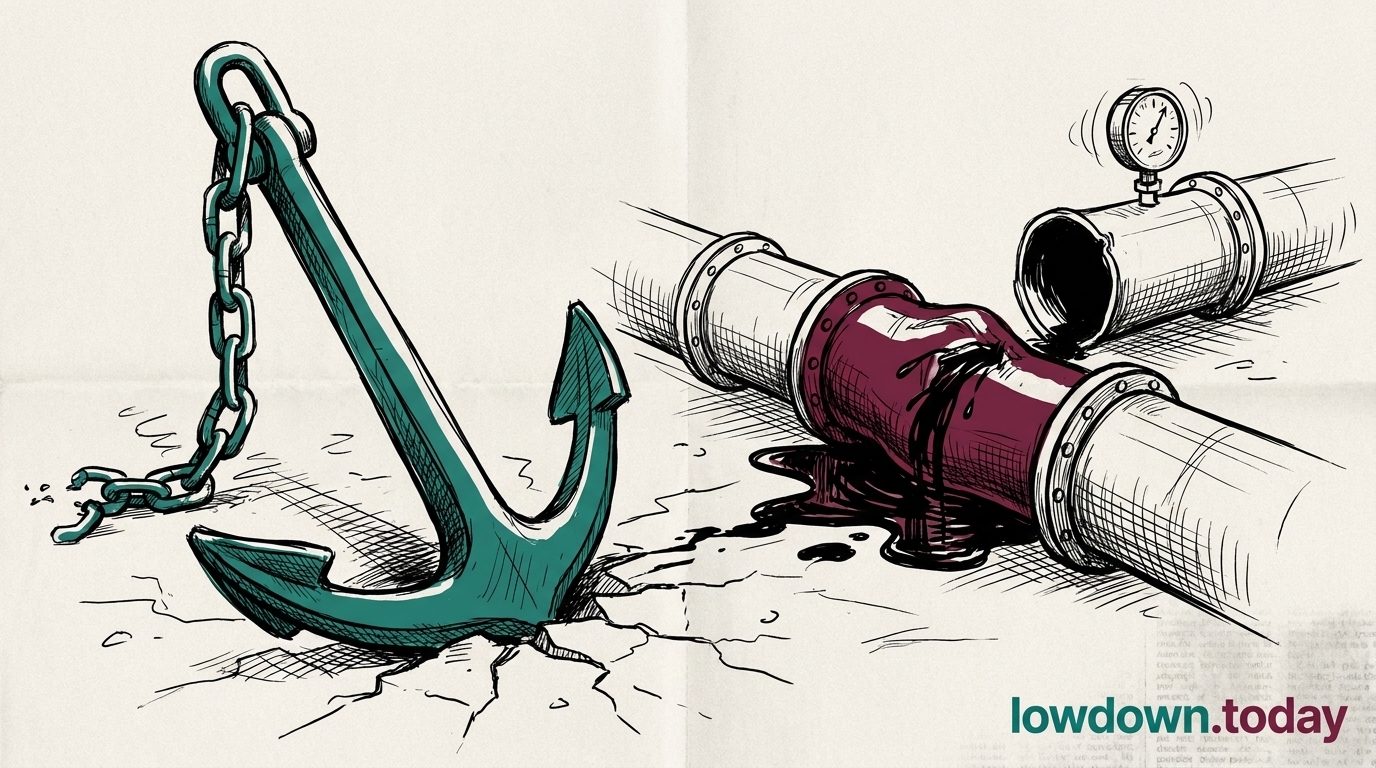
UK Maritime Trade Operations (UKMTO), the Royal Navy advisory body for commercial shipping, upgraded the Strait of Hormuz advisory to its critical tier on Monday 4 May after recording 41 vessel incidents in ten weeks 1. It is the first time the UKMTO advisory hierarchy has been escalated to its maximum level since the conflict opened on 28 February. The advisory was issued on the same day as the USS Truxtun and USS Mason transit under Project Freedom and the strikes on Fujairah, HMM Namu and the Malta-flagged CMA CGM San Antonio.

The advisory is the Royal Navy's standing instrument for British-flagged and British-insured commercial vessels and feeds directly into the contracts that govern war-risk cover. Lloyd's P&I clubs extended their war-risk cover suspensions in parallel with the UKMTO tier change, raising the effective insurance floor for commercial vessels attempting transit without naval escort 2. Without that cover, a tanker entering the strait carries unlimited liability for its own hull and any pollution it causes; with it, premiums now reflect the critical-tier classification.

The International Maritime Organisation (IMO) has reported 20,000 seafarers stranded on vessels unable or unwilling to clear the strait 3. The UKMTO escalation, the Lloyd's suspension and the IMO seafarer count are the commercial counterpart to the kinetic record. The numbers translate the diplomatic and military activity of the past week into a measurable constraint on every voyage that does not have a US Navy destroyer alongside.


Deep Analysis

In plain English

On 4 May, the UK's maritime safety organisation (UKMTO, which stands for the United Kingdom Maritime Trade Operations) raised its threat rating for the Strait of Hormuz to its highest level after recording 41 ship incidents in ten weeks. At the same time, Lloyd's of London, which provides insurance for most of the world's shipping, extended its suspension of war-risk cover for vessels in the strait. What this means practically: without insurance, most commercial shipping companies will not send their vessels through the strait. The IMO, the United Nations body that oversees shipping, said about 20,000 sailors are stranded in the area. The UKMTO critical rating formally triggers automatic insurance suspension clauses in standard marine policies, which means lifting the freeze requires the same formal downgrade process as imposing it; a ceasefire alone does not automatically reopen the insurance market.

What could happen next?
  • Consequence

    UKMTO's critical designation means any post-ceasefire insurance market reopening will require a formal UKMTO downgrade process, adding institutional friction to the commercial recovery even after a signed ceasefire.

  • Risk

    Twenty thousand stranded seafarers in the conflict zone represent a humanitarian liability that grows by the day; crew rotation has been suspended across dozens of vessels, raising fatigue-related safety risks independent of the combat threat.

First Reported In

Update #89 · Truxtun gets through; Trump pulls back

Al Jazeera· 6 May 2026
Read original
Causes and effects
This Event
UKMTO raises Hormuz advisory to critical
Lloyd's P&I clubs extended their war-risk cover suspensions in parallel, raising the effective insurance floor and translating the kinetic exchange into a binding commercial constraint on transit without naval escort.
Different Perspectives
Indian refiners
Indian refiners
Indian refiners kept lifting discounted Urals as the India/Baltic price split widened past $9-10 a barrel, a gap that only grows as GL X1's Iranian wind-down cuts an alternative discounted grade off the market by 17 July. Cheaper Russian feedstock is being locked in while it lasts.
Chinese refiners
Chinese refiners
Chinese refiners gain leverage as the Urals-Brent discount widens, since Beijing's state buyers already source discounted Russian barrels near the fiscal floor unaffected by Western insurance costs. A wider discount, if it holds past 23 July, lets them lock in cheaper term contracts regardless of the cap's outcome.
US money managers (CFTC-tracked)
Managed money trimmed WTI net length into the rally, positioning that reflects doubt the Hormuz premium survives without freight or war-risk confirmation. The Brent-WTI spread widening almost entirely on the Brent leg supports that scepticism about a broad-based repricing.
OPEC+ (Saudi-led subgroup)
Saudi Arabia is defending market share through a fourth straight 188kbd August hike even as OPEC's own July MOMR cut 2026 demand growth for the fourth consecutive month. At a $108-111 fiscal breakeven, every added barrel costs Riyadh revenue it cannot recoup, so the hike reads as a positioning signal, not a demand bet.
Greek shipping registries
Greece, backed by Cyprus and Malta, is pushing a three-month cap-freeze compromise against the Commission's freeze to January 2027 ahead of the 23 July vote. Athens' and Valletta's combined tanker registrations mean a shorter review gives their insurers more frequent chances to reprice risk on Russian cargoes.
Russia (Deputy PM Alexander Novak)
Novak extended the diesel export restriction to producers on 8 July, the first producer-binding curb of the war, protecting the domestic pump price ahead of any refinery repair timeline. Urals still trades below Russia's $59 budget floor even as Brent gained, so the ban trades export revenue for fiscal stability at home.