Skip to content
You can now search across every topic, entity and event.What's new
European Energy Markets
26JUN

Iran sets six terms to reopen Hormuz

2 min read
13:51UTC

Mohammad Bagher Zolghadr set out six conditions on 8 August before Iran will reopen the Strait of Hormuz, beginning with an end to American military action.

EconomicDeveloping
Key takeaway

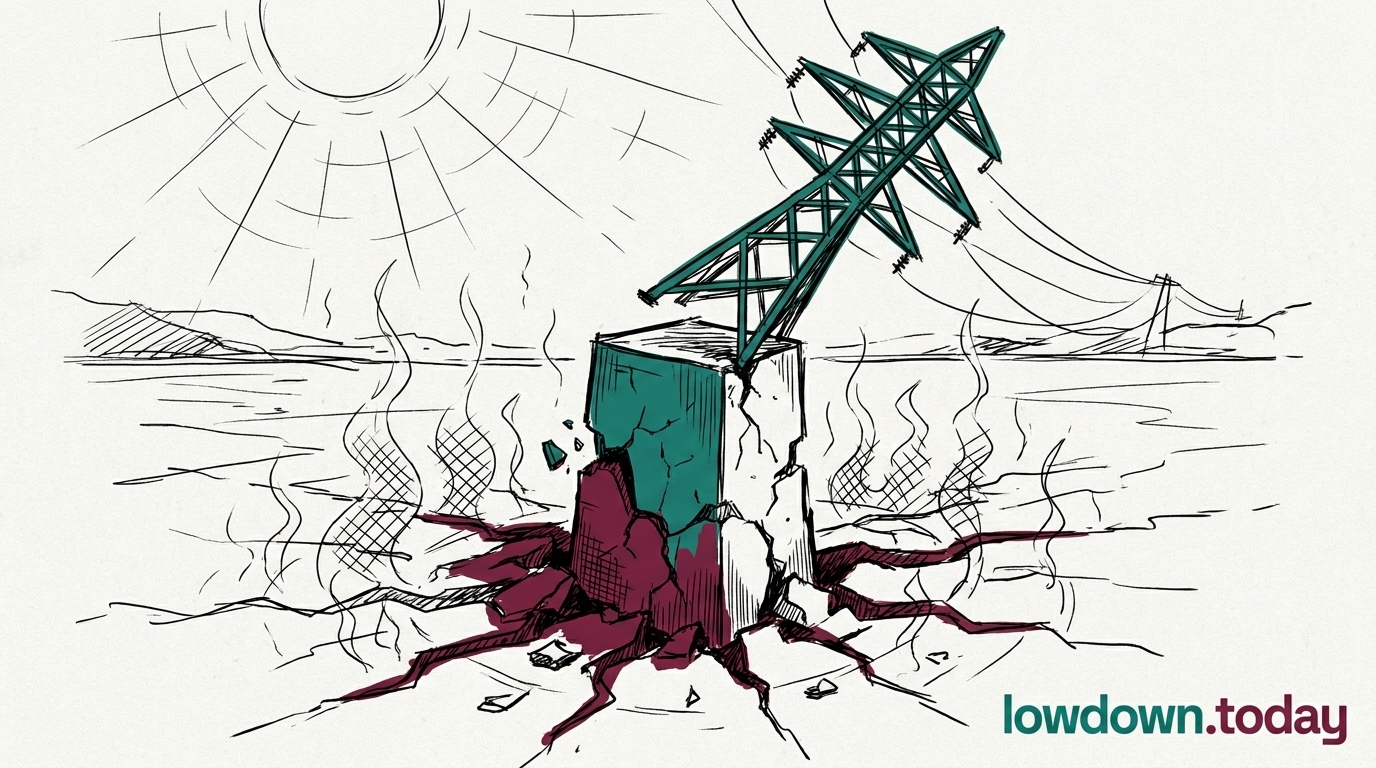
Iran's six conditions put the Strait of Hormuz inside a war settlement, not a shipping deal.

Mohammad Bagher Zolghadr, then secretary of Iran's SNSC (Supreme National Security Council), set out six conditions on Saturday 8 August before Iran will reopen the Strait of Hormuz 1. Washington must end its military action, lift the naval blockade, withdraw its forces, pay war damages, lift sanctions and release Iran's frozen assets. The council Zolghadr spoke for is the body that turns any agreed text into Iranian national policy, and he said it "will not retreat in war or negotiations".

Tehran has costed one of those items before. In May it told mediators it wanted $12bn in frozen assets held in Qatar released before any reopening, and refused to trade the money for what it called vague and illusory promises . The six conditions restate that demand as one line on a longer list. They also land after Washington had already answered a narrower Iranian proposal, rejecting the Majlis transit bill outright on 6 August .

Nothing on Zolghadr's list concerns pilotage, traffic separation or who inspects a hull. Each condition asks for something no shipping authority can grant, which places the reopening inside a war settlement rather than inside a maritime arrangement. A charterer reading the six items learns that a technical mechanism, however well drafted, does not open the waterway on its own.


Deep Analysis

In plain English

Iran sits on one side of the Strait of Hormuz, the narrow sea route used by Gulf oil and gas exporters. Its security council is the state body that turns a negotiated draft into national policy. Iran's six conditions ask the United States to change the war, sanctions and money issues before the route opens. They go beyond a shipping plan.

Deep Analysis
Root Causes

Iran signed but did not ratify the UN Convention on the Law of the Sea, while the Strait of Hormuz remains the sea exit for Gulf exporters. That gap lets Tehran make domestic sovereignty claims even though other states invoke transit passage.

$12bn in frozen assets formed a Hormuz precondition in May . Linking those assets, sanctions and compensation to reopening gives Tehran bargaining chips that do not depend on winning a naval engagement.

What could happen next?
  • Meaning

    The council has put political and financial demands beside maritime reopening, widening the matters that mediators must address.

  • Risk

    A technical corridor may remain unused if Washington and Tehran cannot separate passage from sanctions and war claims.

First Reported In

Update #168 · Iran replaces the man who set its terms

Islamic Republic News Agency· 11 Aug 2026
Read original
Different Perspectives
Cross-border power traders
The France-Germany day-ahead spread flipped from a EUR 17.20 German premium on 1 August to a EUR 4.15 French premium on 3 August, the same day French curtailment peaked. They cannot yet attribute the flip to curtailment alone, since a like-for-like overnight comparison shows French nuclear output rising while wind fell and demand returned on the weekday step.
EDF
EDF
River-cooling limits took 7.6 GW, 12 per cent of its fleet, offline on 3 August, the highest curtailment since the heatwave began, with an easing forecast to 4.3 GW on 4 August and 3 GW after. It manages the cut as a recurring seasonal constraint, expecting it to lift with river temperature, not repair.
Gasunie
Gasunie
TTF, the Dutch hub it operates, drifted to roughly EUR 55 to 58 per MWh across the window, staying inside its recent range through both the German spark reversal and the French curtailment. It reads a flat hub price as evidence that neither event this window carried enough weight to move the fuel leg on its own.
German gas-fired generators
Record German solar of 18,761 MW on 2 August pushed the clean spark spread to minus 18.48 EUR/MWh, a loss-making day, before it returned to plus 16.20 on 3 August. They now price dispatch against post-solar residual load rather than wind alone, since the sign flipped inside 48 hours on unchanged fuel and carbon costs.
European Commission (DG Energy)
Its implementing-measures register logged transposition notices from only Portugal and Slovakia against Wednesday's Article 94 deadline for Directive (EU) 2024/1788, with 25 states silent. It expects the register to fill only gradually, since filing routinely lags legislating and any infringement track against non-notifying states runs on a slower clock than the deadline itself.
Spain's LNG terminal operators
Spain's 9,145 GWh terminal inventory is the largest single stock in the EU LNG network, an option value that can reroute cargoes wherever the winter strip pays best rather than a cavern gas obligation tied to a fixed date. That flexibility matters more as Germany's cavern shortfall pushes more of the winter security question onto import infrastructure.
