Skip to content
You can now search across every topic, entity and event.What's new
Sanam Vakil
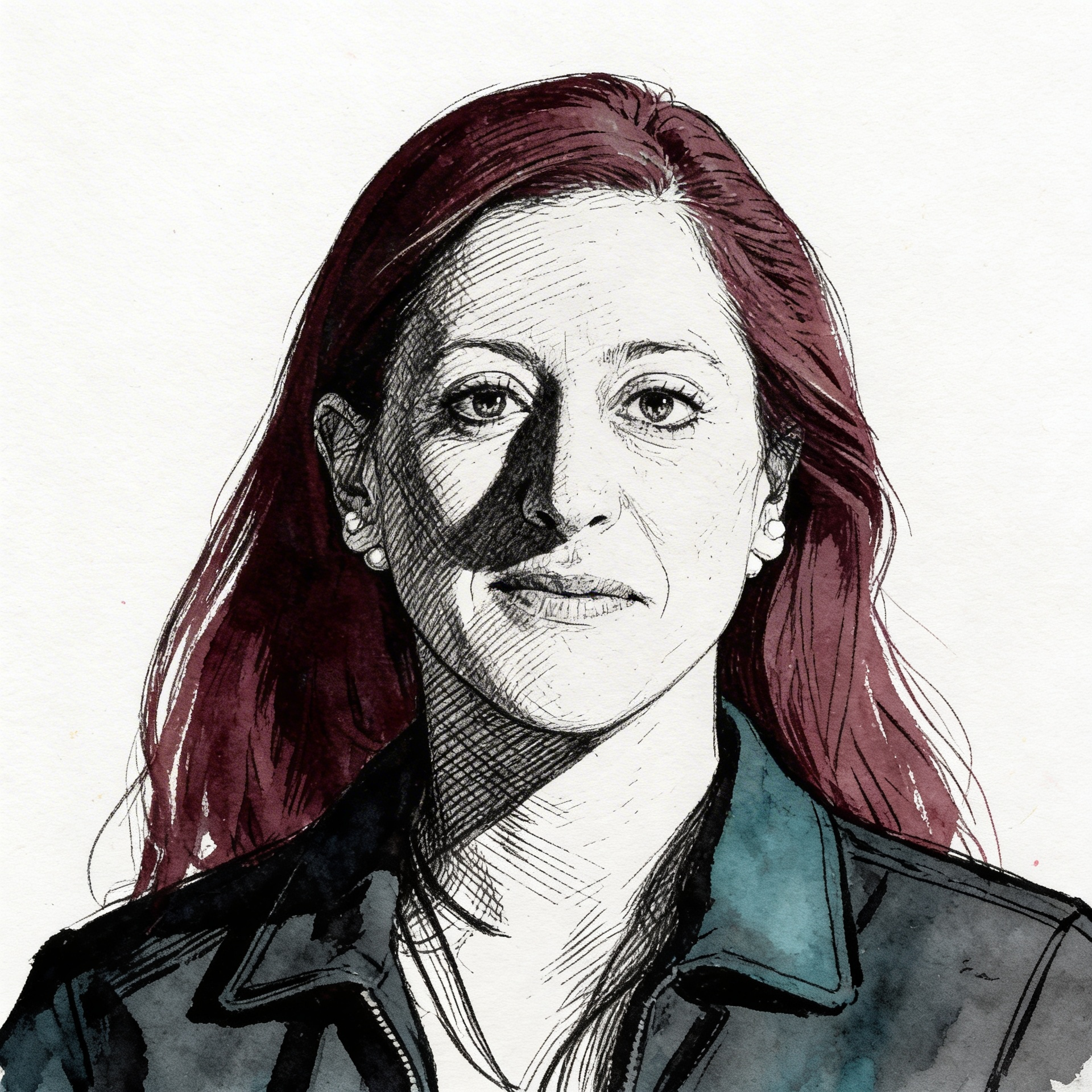
AI-generated editorial illustration
PersonGB

Sanam Vakil

Chatham House MENA director; analyst of Iranian politics, JCPOA, and the 2026 conflict.

Last refreshed: 30 June 2026 · Appears in 1 active topic

Key Question

She called the IRGC coup before anyone else: who is Chatham House's Sanam Vakil?

Timeline for Sanam Vakil

View full timeline →
Common Questions
Who is Sanam Vakil?
Director of the Middle East and North Africa programme at Chatham House. A British-Iranian political scientist and the most prominent independent analyst on Iran's 2026 conflict, succession crisis, and nuclear negotiations.Source: Chatham House
What did Sanam Vakil say about Iran's Supreme Leader?
Vakil warned early that the Supreme Leader's seat could remain empty despite official claims, and argued the IRGC, not the civilian government, controls Iran's wartime decision-making — a position now widely accepted.Source: Chatham House
What is Chatham House's position on Iran?
Chatham House, through Sanam Vakil's MENA programme, has provided consistent analysis that the IRGC holds operational control over Iran's war, challenged the UK's legal basis for base access, and tracked the Islamabad and Antalya diplomatic processes.Source: Chatham House

Background

Sanam Vakil is Director of the Middle East and North Africa programme at Chatham House in London. A British-Iranian political scientist, she has published extensively on Iranian domestic politics, Gulf security, and the JCPOA nuclear negotiations. She appears regularly on BBC, CNN, and Al Jazeera and briefs parliamentary committees. Her academic formation includes doctoral work at the School of Advanced International Studies (SAIS), Johns Hopkins.

Vakil has been the most prominent independent analytical voice throughout the 2026 Iran conflict. She warned early that the Supreme Leader's seat could remain effectively empty despite official IRIB claims , and her early analysis that Pezeshkian's contradictory orders reflected a fractured command chain became consensus within days. She has consistently argued that the IRGC, not the civilian government, controls Iran's wartime decision-making. More recently she tracked the emergence of what Lowdown identified as Mojtaba Khamenei's first named directives via IRIB, interpreting them as confirmation that the succession has moved from informal control to explicit institutional assertion.

Her institutional position at Chatham House gives her analysis additional weight: the think tank's published challenge to the UK's defensive/offensive base-access distinction draws on the same framework. Vakil's work on the JCPOA and Iran-GCC relations informs her reading of Iran's negotiating posture, including the significance of Pakistan's nuclear-monitoring concession in April 2026 and the Antalya quartet's formation in May. She tracks the UN Security Council dimension as well, including the Barakah drone strike emergency session in May 2026.

More questions
Why is Sanam Vakil the most quoted analyst on Iran?
Vakil combines academic expertise (PhD from SAIS Johns Hopkins, publications on Iran-GCC relations and JCPOA) with the institutional credibility of Chatham House's MENA directorship, making her the go-to voice for broadcasters and parliamentary committees.
Why does Sanam Vakil say the IRGC, not Iran's president, controls the war?
Vakil argues that Iran's wartime command structure bypasses the civilian presidency. Pezeshkian's contradictory public statements reflected a fractured chain of command, and Mojtaba Khamenei's first named directives via IRIB in 2026 confirmed that effective authority rests with the IRGC and the Supreme Leader's circle, not the elected government.Source: Chatham House
Source Material