Skip to content
You can now search across every topic, entity and event.What's new
European Energy Markets
15JUN

Ukraine's strikes move to the Azov

2 min read
12:23UTC

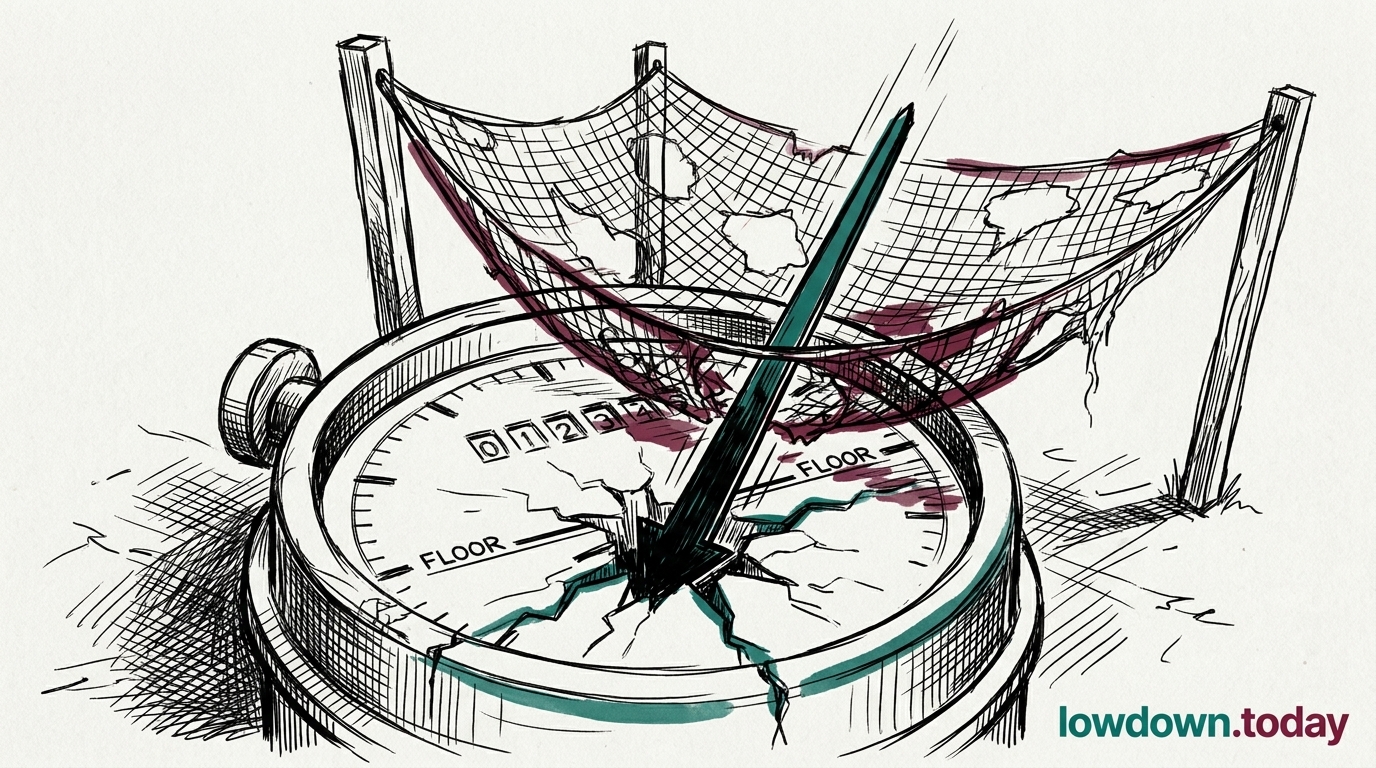
Ukraine's drones shifted from Russian refineries to fuel tankers in the Sea of Azov, cutting vessel traffic there by a possible 55% between 30 June and 11 July.

EconomicDeveloping
Key takeaway

Ukraine's strike campaign moved to Sea of Azov fuel tankers, cutting traffic there by a possible 55%.

Ukraine's long-range strike campaign shifted in the first fortnight of July from static refineries to the seaborne tankers carrying fuel across the Sea of Azov, the Institute for the Study of War (ISW) reported 1. Automatic identification system tracking from Starboard Maritime Intelligence, a commercial firm that monitors ship movements, recorded a possible 55% drop in Azov traffic between 30 June and 11 July 2.

Through June the campaign had reached deep inside Russia: the Kapotnya refinery near Moscow , the Tyumen plant two thousand kilometres from the border in Siberia , and airbase hangars at Saky on 1 July . Targeting the tankers changes the class of target from fixed installations to moving cargo, and it reaches the fuel at the point it leaves the country.

The tanker campaign works through logistics rather than firepower. Strike the vessels and the fuel cannot sail, so it backs up at the terminals the domestic market also draws on, pushing Russian pump prices higher 3. The diesel export ban exists in part to hold that backup inside Russia's borders.


Deep Analysis

In plain English

Ukraine has been bombing Russian oil refineries for months. Now it has widened the campaign to hit the ships that carry Russian fuel across the Sea of Azov, the inland sea between the two countries. A commercial tracking firm called Starboard Maritime Intelligence, which follows ship movements by radio signal, recorded roughly half as many vessels crossing the Azov between 30 June and 11 July as before. This matters because even fuel that survives the refinery still has to reach a buyer by ship. Targeting the tankers themselves, alongside the plants that make the fuel, closes off one more route Russia has been using to keep exports moving.

Deep Analysis
Root Causes

Refineries are fixed, defended, and can be patched or partially restarted; ocean-going tankers moving through the Sea of Azov's narrow approaches have far less air-defence cover and cannot be dispersed once under way, which makes them a softer target once Ukraine's strike range and targeting data allow it.

The economic incentive compounds this: the fuel crunch behind Russia's own diesel export ban tightens what refined product is even available to ship, so every remaining cargo becomes a higher-value target for the strike campaign to interdict.

Escalation

Direction: expanding target set from land-based refineries to seaborne logistics, a widening rather than a de-escalation of the strike campaign. Evidence: the 55% AIS traffic decline follows earlier June refinery strikes on Kapotnya and Tyumen, suggesting a deliberate broadening rather than a one-off incident.

What could happen next?
  • Consequence

    Vessel operators may increasingly go dark on AIS transponders to avoid becoming targets, which would make future traffic-decline figures harder to interpret as damage versus evasion.

First Reported In

Update #23 · Moscow rations diesel as US cover lapses

Institute for the Study of War / Critical Threats Project· 13 Jul 2026
Read original
Different Perspectives
Spain's LNG terminal operators
Spain's 9,145 GWh terminal inventory is the largest single stock in the EU LNG network, an option value that can reroute cargoes wherever the winter strip pays best rather than a cavern gas obligation tied to a fixed date. That flexibility matters more as Germany's cavern shortfall pushes more of the winter security question onto import infrastructure.
European Commission
European Commission
Brussels holds the bloc to 90% on a flexible window while Germany, holding roughly a quarter of EU storage capacity, tracks toward missing its own lower 80% figure by 21 points. A national shortfall this size in the anchor market matters more to bloc security than the flexible timetable alone can absorb.
French power exporters and CRE
French day-ahead rose in step with Germany but by less, reopening a EUR 7-17 premium that makes northward export flows commercially attractive again after the EUR 43.09 discount evaporated in days. CRE separately authorised RTE and Enedis to buy flexibility locally, betting the coming winter's binding constraint is grid congestion rather than a shortage of firm capacity.
TTF trading desk
TTF trading desk
A visible national shortfall like Germany's 21-point gap is a directional signal, not noise, for a desk holding the summer-winter spread. TTF's flat EUR 58-60 range through this week's German price swings says the market has not yet chosen to reprice refill risk into the front of the curve.
German cavern and CCGT operators
German caverns kept buying prompt gas at TTF near EUR 58-60 through the inversion; the wind collapse to 2.4 GW then flipped the spark spread to plus EUR 29 and put turbines back in the same queue. Every day turbines win that bid, injection at a third of the 877 GWh/day pace needed falls further behind.
Slovakia
Slovakia
Slovakia says it dropped its hold-out on the 21st sanctions package only after Ursula von der Leyen personally signed written gas-price and supply guarantees. The Council of the European Union's own 17,238-character release on the package names neither Slovakia nor any guarantee, leaving Bratislava's account unconfirmed by the institutional record.



