Skip to content
You can now search across every topic, entity and event.What's new
European Energy Markets
15JUN

Sea drones push into the Black Sea

2 min read
12:23UTC

Ukraine's maritime drone campaign left the Sea of Azov overnight on 15 July under the name Operation MoLoChKa, hitting 20 vessels in a single night.

EconomicDeveloping
Key takeaway

Shadow-fleet anonymity defeats sanctions enforcement and leaves those same ships with nobody to defend them.

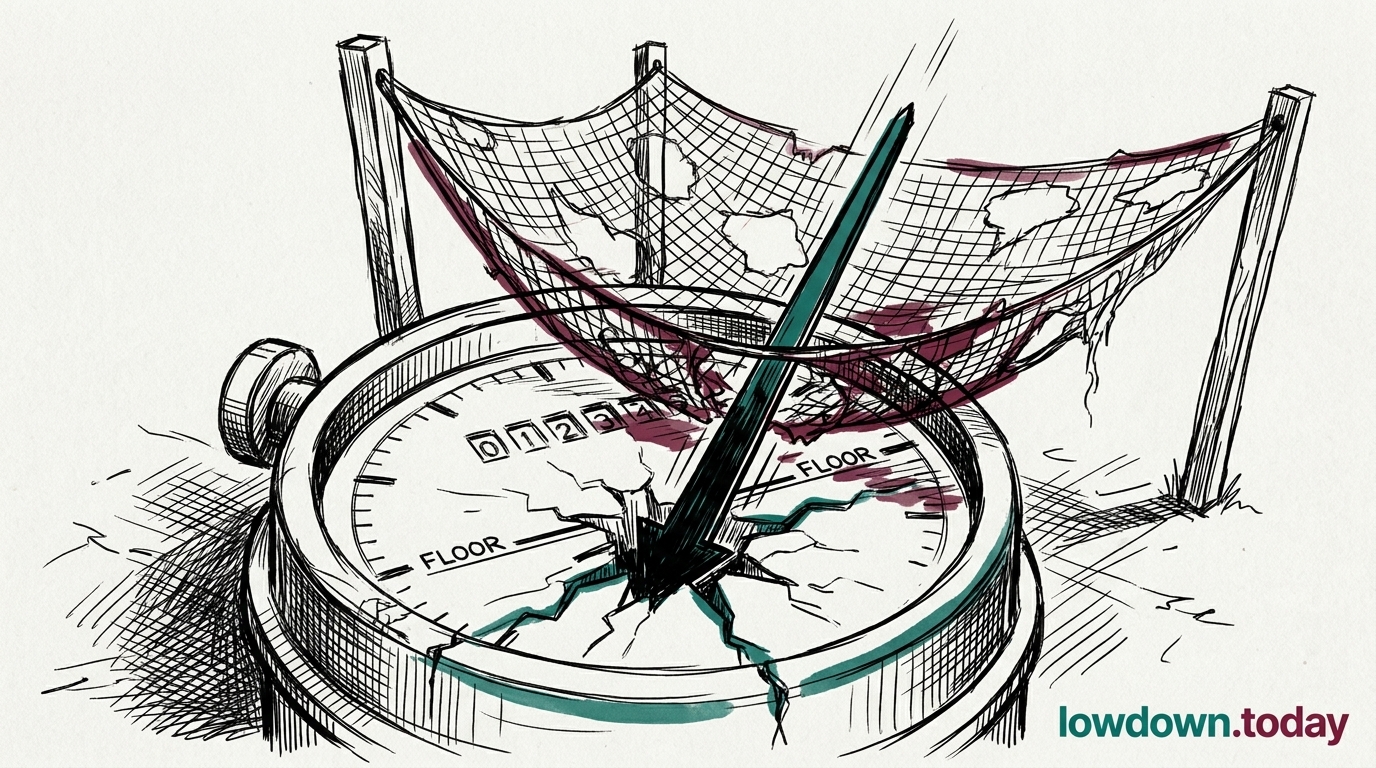
Ukraine's maritime drone campaign moved out of the Sea of Azov and into the Black Sea overnight on 15 July, under the name Operation "MoLoChKa", striking 20 vessels in one night: 17 oil tankers, two gas tankers and a tugboat 1. Two of the named targets, the Louise 1 and the Banda, were running dark on AIS, the automatic identification system merchant ships are required to broadcast, while carrying Russian crude in breach of the price cap set by the G7 group of industrial democracies and the EU. An SBU Sea Baby uncrewed boat had hit the tanker Blue near Yalta a week earlier, on 8 July. The Unmanned Systems Forces struck twelve more vessels on 17 July, taking the 6 to 17 July total to 159 shadow-fleet vessels across both seas 2.

Eleven days before the expansion, the same campaign was a chokepoint tactic confined to the Azov, where it cut tracked traffic by 55% . The Azov is shallow, narrow and effectively closed; the Black Sea is neither, and holding vessels at risk across it demands range and endurance the Azov operations never had to demonstrate.

The G7 and EU price cap runs on insurance certificates and port-entry checks, and a tanker that switches off its transponder, reflags through a shell registry and transfers cargo ship-to-ship outside territorial waters encounters none of them. Sea drones do not need to establish ownership before they arrive. The harder a vessel works at being untraceable, the fewer parties can be identified to protect it, and opaque ownership stops being cover and starts being exposure.


Deep Analysis

In plain English

Ukraine has been using naval drones to attack tankers that carry Russian oil while avoiding Western sanctions. This campaign expanded from the smaller Sea of Azov into the much larger Black Sea overnight on 15 July, under the name Operation MoLoChKa, hitting 20 vessels in a single night. Twelve more were struck two days later, taking the running total to 159 ships hit between 6 and 17 July. The tankers being targeted are part of what is often called Russia's "shadow fleet": ageing ships that turn off their tracking signals and use flags of convenience to keep moving Russian oil to buyers despite the price cap Western governments have imposed. By hitting them directly, Ukraine is making that trade physically dangerous rather than only illegal on paper.

First Reported In

Update #24 · Fedorov sacked as the front stands still

Militarnyi· 19 Jul 2026
Read original
Causes and effects
Different Perspectives
Spain's LNG terminal operators
Spain's 9,145 GWh terminal inventory is the largest single stock in the EU LNG network, an option value that can reroute cargoes wherever the winter strip pays best rather than a cavern gas obligation tied to a fixed date. That flexibility matters more as Germany's cavern shortfall pushes more of the winter security question onto import infrastructure.
European Commission
European Commission
Brussels holds the bloc to 90% on a flexible window while Germany, holding roughly a quarter of EU storage capacity, tracks toward missing its own lower 80% figure by 21 points. A national shortfall this size in the anchor market matters more to bloc security than the flexible timetable alone can absorb.
French power exporters and CRE
French day-ahead rose in step with Germany but by less, reopening a EUR 7-17 premium that makes northward export flows commercially attractive again after the EUR 43.09 discount evaporated in days. CRE separately authorised RTE and Enedis to buy flexibility locally, betting the coming winter's binding constraint is grid congestion rather than a shortage of firm capacity.
TTF trading desk
TTF trading desk
A visible national shortfall like Germany's 21-point gap is a directional signal, not noise, for a desk holding the summer-winter spread. TTF's flat EUR 58-60 range through this week's German price swings says the market has not yet chosen to reprice refill risk into the front of the curve.
German cavern and CCGT operators
German caverns kept buying prompt gas at TTF near EUR 58-60 through the inversion; the wind collapse to 2.4 GW then flipped the spark spread to plus EUR 29 and put turbines back in the same queue. Every day turbines win that bid, injection at a third of the 877 GWh/day pace needed falls further behind.
Slovakia
Slovakia
Slovakia says it dropped its hold-out on the 21st sanctions package only after Ursula von der Leyen personally signed written gas-price and supply guarantees. The Council of the European Union's own 17,238-character release on the package names neither Slovakia nor any guarantee, leaving Bratislava's account unconfirmed by the institutional record.



