Why did the US warn Ukraine not to strike Novorossiysk's oil terminal?
Timeline for Novorossiysk
Bank of Russia holds rate and names fuel
Russia-Ukraine War 2026Mentioned in: Ukraine kills an Iranian sailor at sea
Iran Conflict 2026Mentioned in: Ukraine's strikes move to the Azov
Russia-Ukraine War 2026Mentioned in: Ukraine widens strikes to export ports
Russia-Ukraine War 2026Mentioned in: Russia halts Kazakh crude to Germany
Russia-Ukraine War 2026Background
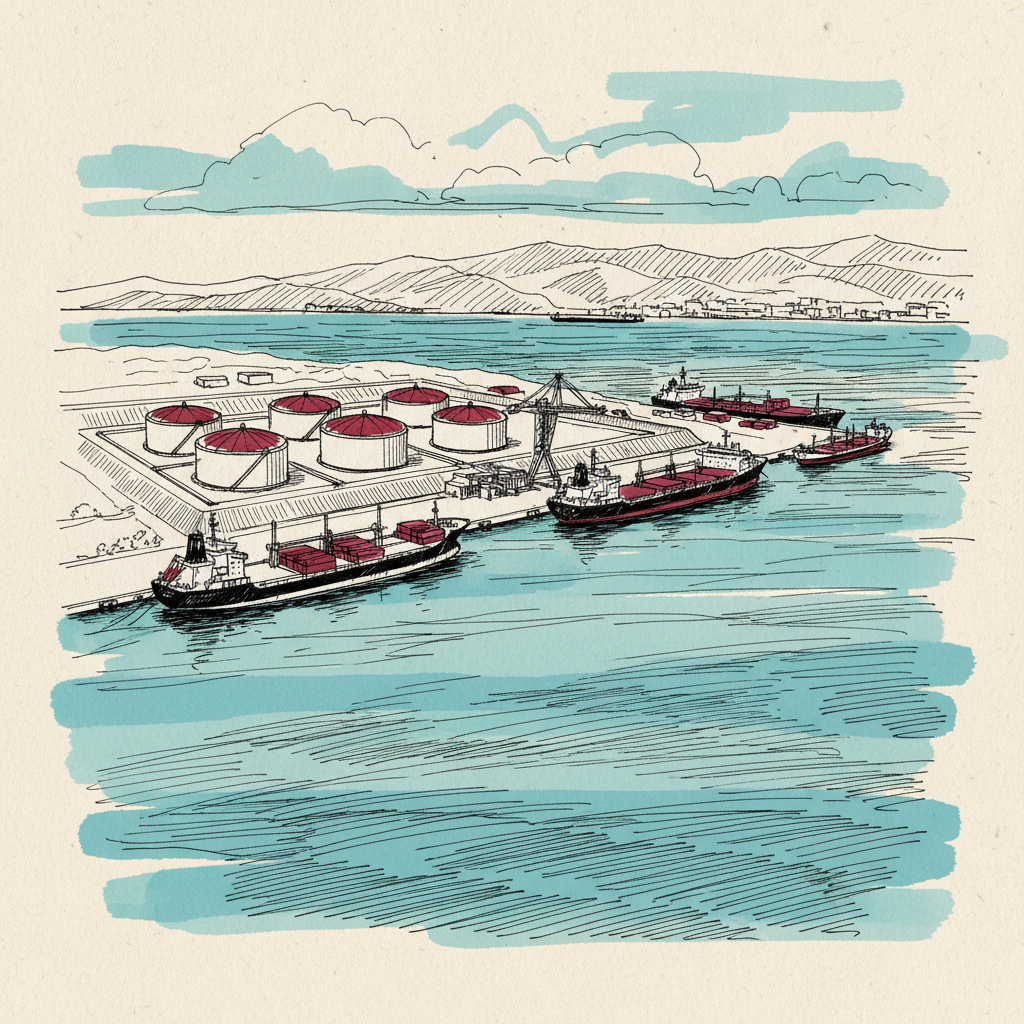
Ukrainian drones struck the Caspian Pipeline Consortium (CPC) terminal at Novorossiysk on 6 April 2026, expanding Ukraine's oil infrastructure campaign from the Baltic to the Black Sea. The State Department formally warned Kyiv to stop targeting the port following the strike, given that CPC shareholders include Chevron, ExxonMobil, and KazMunayGas alongside Russian state entities. Ukraine defied the warning and proposed a mutual energy ceasefire instead.
Novorossiysk is Russia's largest commercial port on the Black Sea and the primary export terminal for CPC pipeline crude from Kazakhstan's Tengiz oilfield. The port handles roughly 1.3 million Barrels Per Day at peak capacity. It is also a naval base hosting Black Sea Fleet support infrastructure and has been a target of Ukrainian naval drone operations since 2023. By early May 2026, two shadow tankers were struck off Novorossiysk, extending the anti-oil campaign from refineries to the offloading fleet.
Carnegie analysis confirmed that even with the Novorossiysk and Baltic disruptions combined, Iran-driven oil price premiums partially offset the revenue impact, leaving Russian POST-attack revenues 62% above late February 2026 levels despite a 33% volume cut. The 20 June 2026 wave also struck the adjacent Kavkaz port petroleum complex, widening Ukraine's target set from refineries to export-handling infrastructure.
Why did Ukraine strike the Novorossiysk port in April 2026?
What is the Caspian Pipeline Consortium terminal at Novorossiysk?
Why did Ukraine strike Novorossiysk in April 2026?
Why did the US warn Ukraine not to attack Novorossiysk?
Why did Ukraine attack Novorossiysk port if the US said not to?
What does Novorossiysk export and why does it matter to Russia?
How much did Ukrainian strikes on Russian oil infrastructure reduce revenue?


