Skip to content
You can now search across every topic, entity and event.What's new
European Energy Markets
15JUN

UKMTO raises Hormuz advisory to critical

3 min read
12:23UTC

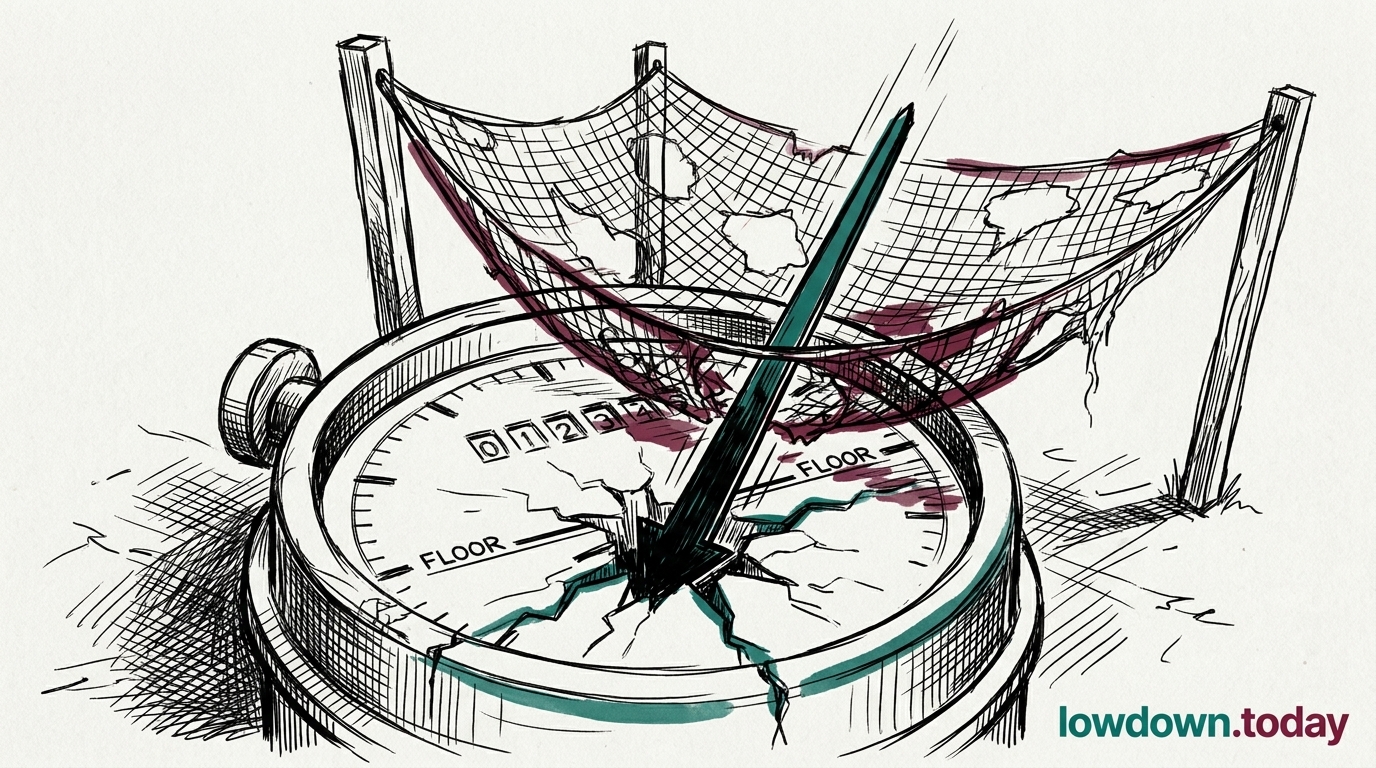
UK Maritime Trade Operations upgraded the Strait of Hormuz commercial shipping advisory to its critical tier on 4 May after recording 41 vessel incidents in ten weeks, the first wartime escalation to the maximum level since 28 February.

EconomicDeveloping
Key takeaway

The strait is now critical-tier; insurance and labour costs price the kinetic exchange into every transit.

UK Maritime Trade Operations (UKMTO), the Royal Navy advisory body for commercial shipping, upgraded the Strait of Hormuz advisory to its critical tier on Monday 4 May after recording 41 vessel incidents in ten weeks 1. It is the first time the UKMTO advisory hierarchy has been escalated to its maximum level since the conflict opened on 28 February. The advisory was issued on the same day as the USS Truxtun and USS Mason transit under Project Freedom and the strikes on Fujairah, HMM Namu and the Malta-flagged CMA CGM San Antonio.

The advisory is the Royal Navy's standing instrument for British-flagged and British-insured commercial vessels and feeds directly into the contracts that govern war-risk cover. Lloyd's P&I clubs extended their war-risk cover suspensions in parallel with the UKMTO tier change, raising the effective insurance floor for commercial vessels attempting transit without naval escort 2. Without that cover, a tanker entering the strait carries unlimited liability for its own hull and any pollution it causes; with it, premiums now reflect the critical-tier classification.

The International Maritime Organisation (IMO) has reported 20,000 seafarers stranded on vessels unable or unwilling to clear the strait 3. The UKMTO escalation, the Lloyd's suspension and the IMO seafarer count are the commercial counterpart to the kinetic record. The numbers translate the diplomatic and military activity of the past week into a measurable constraint on every voyage that does not have a US Navy destroyer alongside.


Deep Analysis

In plain English

On 4 May, the UK's maritime safety organisation (UKMTO, which stands for the United Kingdom Maritime Trade Operations) raised its threat rating for the Strait of Hormuz to its highest level after recording 41 ship incidents in ten weeks. At the same time, Lloyd's of London, which provides insurance for most of the world's shipping, extended its suspension of war-risk cover for vessels in the strait. What this means practically: without insurance, most commercial shipping companies will not send their vessels through the strait. The IMO, the United Nations body that oversees shipping, said about 20,000 sailors are stranded in the area. The UKMTO critical rating formally triggers automatic insurance suspension clauses in standard marine policies, which means lifting the freeze requires the same formal downgrade process as imposing it; a ceasefire alone does not automatically reopen the insurance market.

What could happen next?
  • Consequence

    UKMTO's critical designation means any post-ceasefire insurance market reopening will require a formal UKMTO downgrade process, adding institutional friction to the commercial recovery even after a signed ceasefire.

  • Risk

    Twenty thousand stranded seafarers in the conflict zone represent a humanitarian liability that grows by the day; crew rotation has been suspended across dozens of vessels, raising fatigue-related safety risks independent of the combat threat.

First Reported In

Update #89 · Truxtun gets through; Trump pulls back

Al Jazeera· 6 May 2026
Read original
Causes and effects
This Event
UKMTO raises Hormuz advisory to critical
Lloyd's P&I clubs extended their war-risk cover suspensions in parallel, raising the effective insurance floor and translating the kinetic exchange into a binding commercial constraint on transit without naval escort.
Different Perspectives
Spain's LNG terminal operators
Spain's 9,145 GWh terminal inventory is the largest single stock in the EU LNG network, an option value that can reroute cargoes wherever the winter strip pays best rather than a cavern gas obligation tied to a fixed date. That flexibility matters more as Germany's cavern shortfall pushes more of the winter security question onto import infrastructure.
European Commission
European Commission
Brussels holds the bloc to 90% on a flexible window while Germany, holding roughly a quarter of EU storage capacity, tracks toward missing its own lower 80% figure by 21 points. A national shortfall this size in the anchor market matters more to bloc security than the flexible timetable alone can absorb.
French power exporters and CRE
French day-ahead rose in step with Germany but by less, reopening a EUR 7-17 premium that makes northward export flows commercially attractive again after the EUR 43.09 discount evaporated in days. CRE separately authorised RTE and Enedis to buy flexibility locally, betting the coming winter's binding constraint is grid congestion rather than a shortage of firm capacity.
TTF trading desk
TTF trading desk
A visible national shortfall like Germany's 21-point gap is a directional signal, not noise, for a desk holding the summer-winter spread. TTF's flat EUR 58-60 range through this week's German price swings says the market has not yet chosen to reprice refill risk into the front of the curve.
German cavern and CCGT operators
German caverns kept buying prompt gas at TTF near EUR 58-60 through the inversion; the wind collapse to 2.4 GW then flipped the spark spread to plus EUR 29 and put turbines back in the same queue. Every day turbines win that bid, injection at a third of the 877 GWh/day pace needed falls further behind.
Slovakia
Slovakia
Slovakia says it dropped its hold-out on the 21st sanctions package only after Ursula von der Leyen personally signed written gas-price and supply guarantees. The Council of the European Union's own 17,238-character release on the package names neither Slovakia nor any guarantee, leaving Bratislava's account unconfirmed by the institutional record.



