The Antonio Guiteras thermoelectric plant, Cuba's largest single generating unit, shut down at 09:12 on Tuesday 5 May 2026 after another boiler failure1. UNE (Unión Eléctrica Nacional, the state grid operator) forecast roughly 1,680 MW of unserved demand at the evening peak that day, against 3,250 MW maximum load. The shutdown is Guiteras's seventh of 2026.
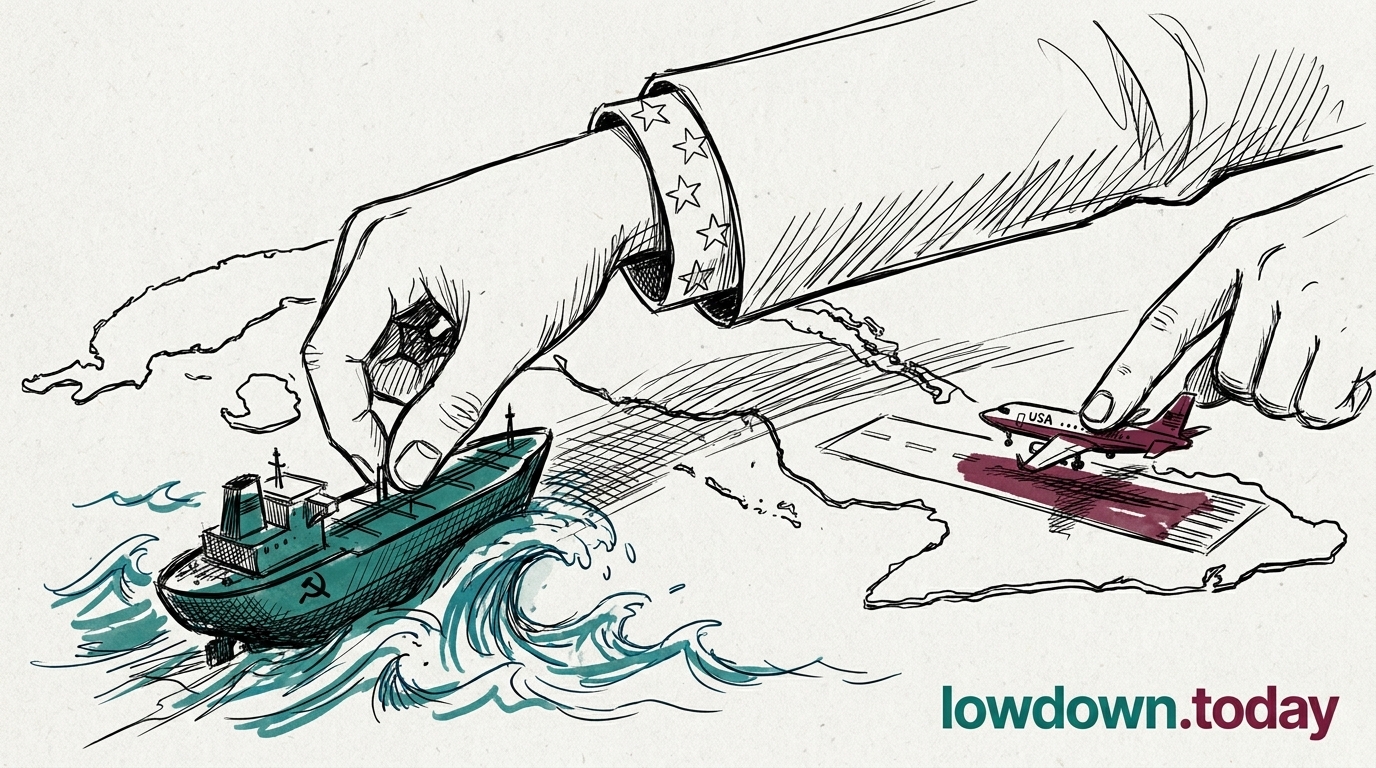
The failure reverses the partial recovery achieved by the Camilo Cienfuegos restart on 17 April, which had cut the deficit by 337 to 367 MW and given Havana the four blackout-free days through 23 April. Eastern provinces had absorbed the 24-hour outages during that window. The 1,680 MW projection now sits above the 1,395 MW deficit that anchored the post-Cienfuegos position, and approaches the 1,732 MW baseline reached before the Anatoly Kolodkin delivered Russian crude on 31 March.
Guiteras has been operating against a maintenance schedule deferred across four years. UNE's labelling of the failure as "planned" on the 5 May bulletin is operator language for an unplanned outage that the dispatch model has begun to assume. When the plant returns to service, it will run at reduced rated output until a major maintenance window opens that Cuba currently cannot fund. That fiscal constraint is the structural fact behind every Guiteras bulletin: the plant is one of the few Cuban units with the capacity to anchor the western grid, and the country lacks the dollars to rebuild its boilers.
The knock-on chain runs through hospitals and water. Hospital diesel generators carry an extended share of acute-care load in eastern provinces; the roughly one million Cubans dependent on water trucking, per the UN Resident Coordinator's April count, lose pump-fed delivery cycles when the western grid drops. Households with chronically ill relatives or freezers of perishables now plan the day around the UNE bulletin, since refrigeration, pump-fed water and evening lighting all draw on the same depleting fuel chain.




