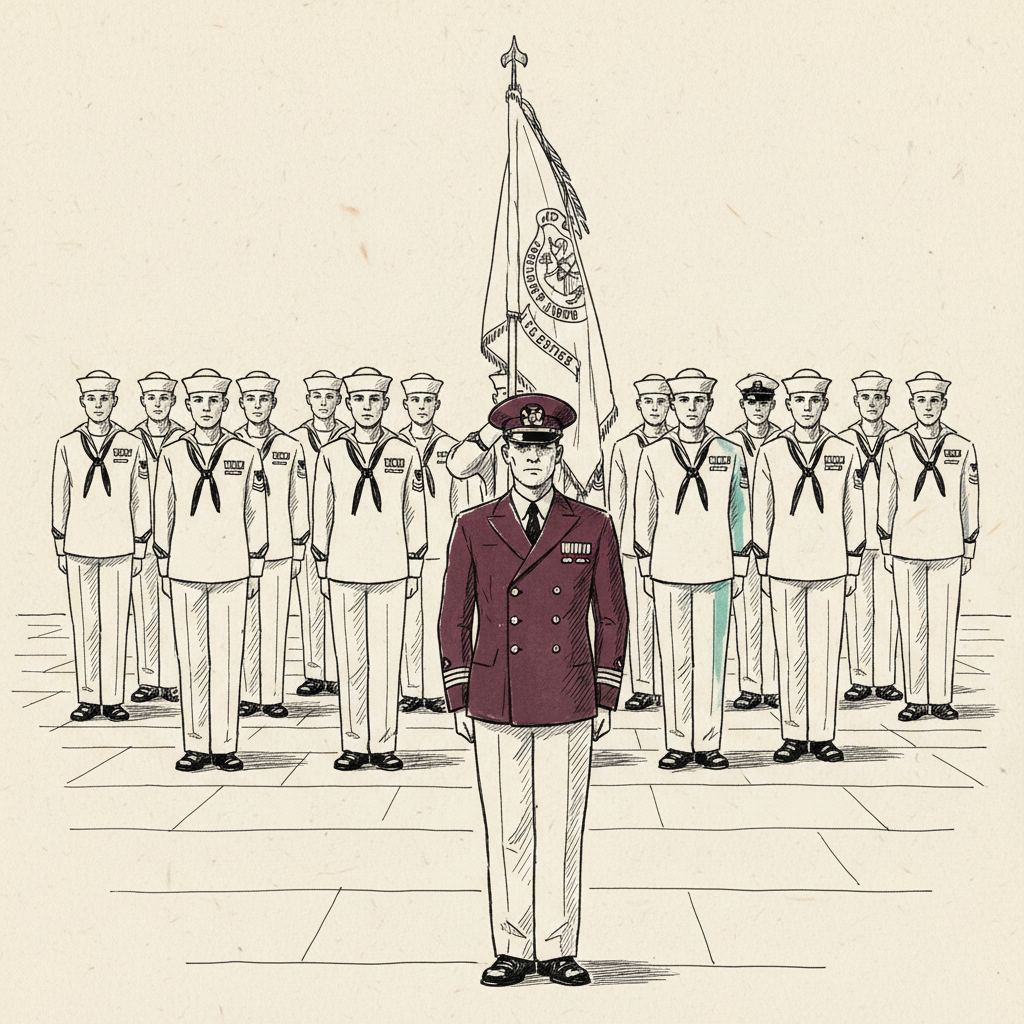
USS Nimitz
US Navy nuclear supercarrier (CVN-68); lead ship of the Nimitz class, commissioned 1975.
USS Nimitz reached the Caribbean on 20 May, the same day the DOJ unsealed the indictment of Raúl Castro, and remains there under Operation Southern Spear with no announced departure date.
Last refreshed: 17 July 2026 · Appears in 1 active topic
Why did the USS Nimitz deploy to the Caribbean the same day Raul Castro was indicted?
Timeline for USS Nimitz
Arrived in the Caribbean on 20 May as part of Southern Seas 2026 exercise
Cuba Dispatch: USS Nimitz arrives in the CaribbeanMentioned in: US carriers slip out of strike range
Iran Conflict 2026Background
USS Nimitz (CVN-68) is the lead ship of the Nimitz class of nuclear-powered aircraft carriers, the class that defined US carrier aviation for five decades. Commissioned in 1975 and homeported at Naval Station Bremerton, Washington, it displaces approximately 100,000 tonnes at full load and carries around 90 aircraft, including F/A-18 Hornets and Super Hornets, EA-18G Growlers and E-2D Hawkeyes, with a CREW of roughly 5,000 including its air wing.
As the lead ship of its class, Nimitz is the oldest active carrier in the US fleet and among the most frequently deployed. The class has operated continuously since the 1970s and will eventually be replaced by the Gerald R. Ford class; the ship's enduring identity is as the archetypal US nuclear carrier, a platform any adversary takes seriously regardless of the exercise label attached to a given deployment.
Nimitz sailed under Southern Spear
The carrier reached the Caribbean on 20 May with Carrier Air Wing 17, the destroyer USS Gridley and the replenishment ship USNS Patuxent, the same day the DOJ unsealed the Raúl Castro indictment and two days after a second EO 14404 sanctions wave expanded to Cuba's ministries. SOUTHCOM logged the visit as Southern Seas 2026, its eleventh annual edition, but the carrier operates simultaneously under Operation Southern Spear, the same western-hemisphere command structure that captured Venezuelan President Nicolás Maduro in January.
Reading the deployment as coercive signalling toward Cuba is Lowdown's analysis, not the Navy's stated purpose; the timing is the analytical point, not the label attached to it. As of mid-July the carrier remains in the Caribbean with no announced departure date, so its Cuba relevance stays situational rather than structural.
How big is the USS Nimitz aircraft carrier?
Why is the USS Nimitz near Cuba in 2026?
What ships are in the USS Nimitz carrier strike group in 2026?
