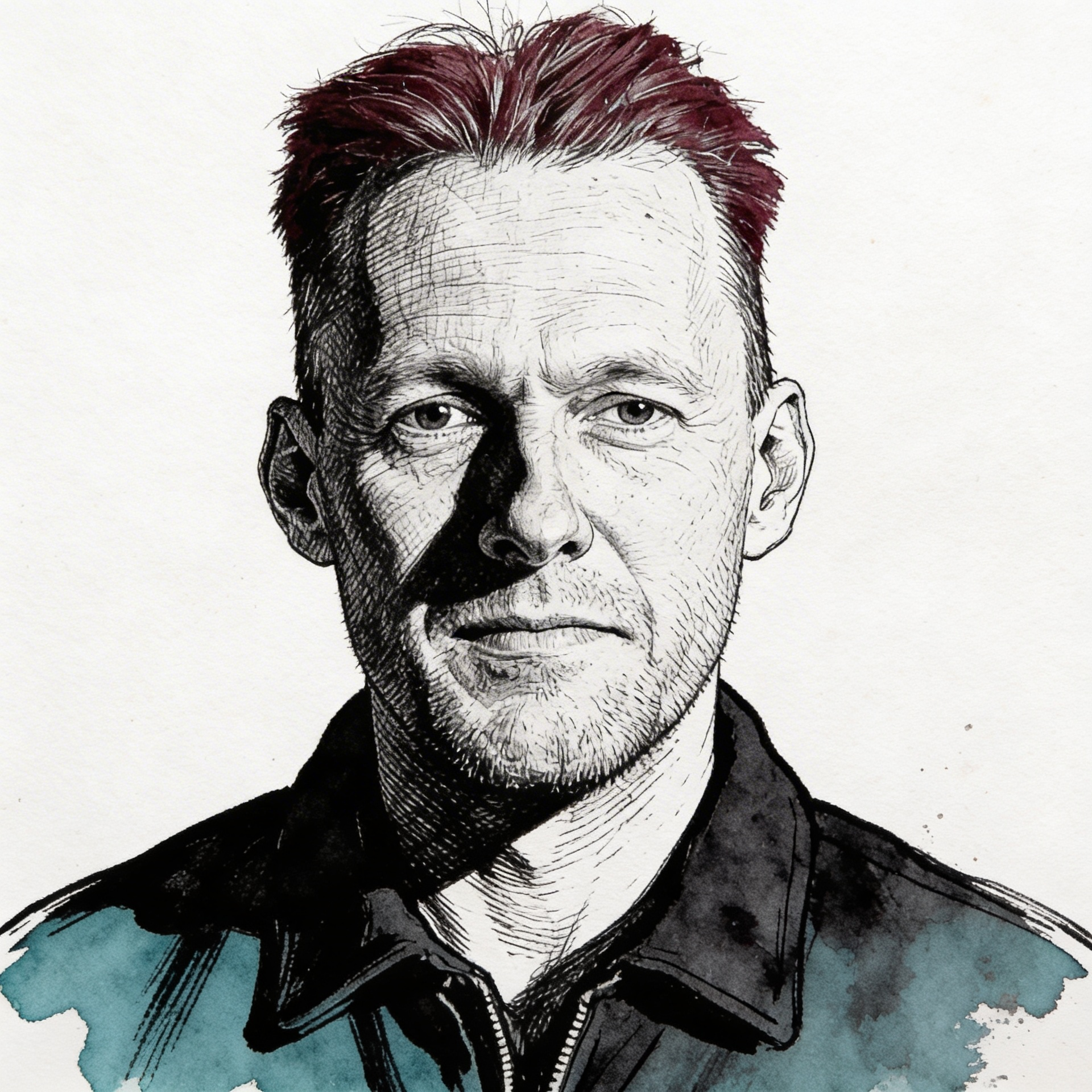
Russell Findlay
Scottish Conservative leader since 2023; survived POST-Holyrood leadership pressure by co-opting rivals to frontbench.
On 7 May, Russell Findlay's Scottish Conservatives won 12 Holyrood seats but no constituencies, leaving him to rebuild after losing official-opposition status.
Last refreshed: 7 October 2026 · Appears in 1 active topic
Could Scottish Tories lose every constituency seat at Holyrood for the first time?
Timeline for Russell Findlay
Mentioned in: Marra's MSPs vote for right to decide
UK Local Elections 2026Appointed Fraser and Gallacher to frontbench posts, averting immediate leadership challenge
UK Local Elections 2026: Findlay co-opts his Scottish Tory rivalsRefused to resign and declined Swinney's invitation to post-election talks
UK Local Elections 2026: Findlay refuses to quit Tory leadershipMentioned in: Reform enters Holyrood on 17 MSPs
UK Local Elections 2026Mentioned in: SNP at 62, three short of 65
UK Local Elections 2026Background
Russell Findlay leads the Scottish Conservatives and has sat as a regional MSP for West Scotland since 2021. Before entering Holyrood, he worked as an investigative journalist at the Daily Record. Under his leadership the party fell to 12 seats on 7 May 2026, all on the regional lists, and Scottish Labour replaced it as the official opposition.
Findlay refused to resign after the result. Sandesh Gulhane did not rule out a challenge, and Findlay answered by keeping Gulhane on health and bringing Murdo Fraser (constitution and finance) and Meghan Gallacher (housing) onto his frontbench. Alone among the main Holyrood party leaders, he declined POST-election talks with John Swinney.
Findlay rebuilds after collapse
On 7 May, Findlay led the Scottish Conservatives to 12 Holyrood seats, all from regional lists, after the party lost every constituency seat. The result ended its position as official opposition and left him leading a smaller parliamentary group than Scottish Labour.
On 14 May, Findlay refused to resign and brought Murdo Fraser and Meghan Gallacher into his frontbench. The appointments reduced the immediate scope for a leadership contest, but they also made his authority depend on restoring a party with no constituency base.