Rome Statute
The 1998 treaty creating the ICC, covering war crimes, crimes against humanity, and genocide.
Last refreshed: 30 March 2026 · Appears in 1 active topic
Can the ICC prosecute war crimes when the key parties never signed the Rome Statute?
Timeline for Rome Statute
Challenged by Iran resuming hourly attacks after 11-hour pause
Iran Conflict 2026: Iran resumes fire after 11-hour pauseCited by Human Rights Watch in three potential war crimes in southern Lebanon
Iran Conflict 2026: HRW finds three war crimes in LebanonCited against Israeli strikes killing 394 including 83 children in Lebanon
Iran Conflict 2026: Lebanon: 394 dead, including 83 childrenCited after two Ghanaian UNIFIL peacekeepers critically wounded at Qawzah base
Iran Conflict 2026: Two Ghanaian UN peacekeepers woundedInvoked by Ghana in formal protest to Guterres after peacekeeper wounding
Iran Conflict 2026: Ghana demands probe of peacekeeper hitBackground
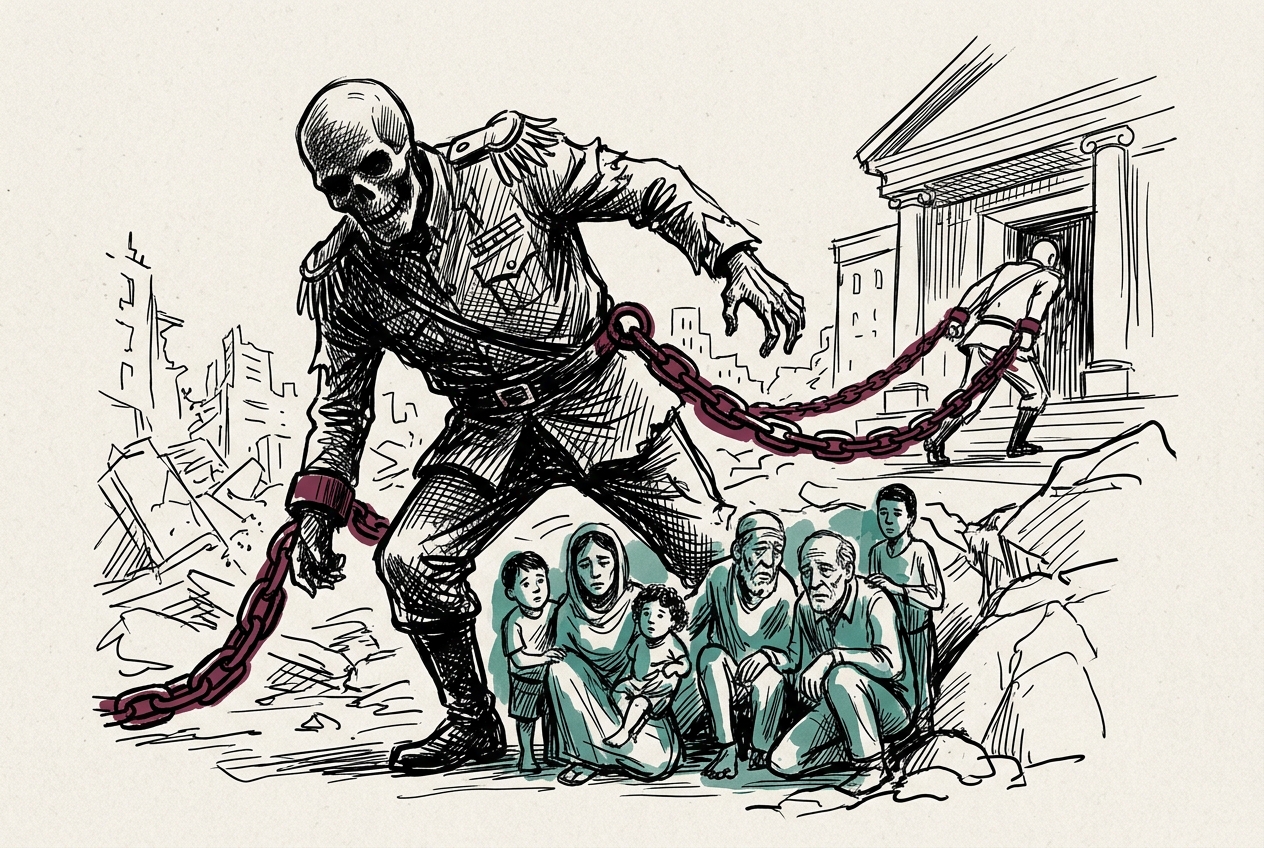
The Rome Statute, adopted in 1998 and entering into force on 1 July 2002, is the founding treaty of the International Criminal Court (ICC), the world's first permanent international tribunal with jurisdiction over genocide, crimes against humanity, war crimes, and the crime of aggression. 124 states are parties; notable non-members include the United States, Russia, China, and Israel.
The Statute has become directly relevant to events in Lebanon and Iran. Human Rights Watch identified three potential war crimes in Israeli operations in southern Lebanon: forced displacement, wanton destruction, and targeting of civilians, warning that arms suppliers risk complicity under international law. Cluster munitions striking Bnei Brak, wounding children and an elderly civilian, further raised questions about Rome Statute obligations. Strikes on UNIFIL peacekeepers in southern Lebanon prompted formal UN protests.
The Statute's core tension is enforcement: the ICC has no standing Army and depends on state cooperation to arrest suspects. With Israel, Iran, and the United States all non-signatories, and Lebanon caught in active conflict, accountability mechanisms exist on paper but face structural limits when the parties most implicated sit outside the Court's jurisdiction.
What is the Rome Statute?
Does the Rome Statute apply to Israel or Iran?
Can the ICC investigate war crimes in Lebanon?
What is the difference between the Rome Statute and the Geneva Conventions?
Can the UN Security Council refer Israel to the ICC?
