Pacific Ocean
World's largest ocean; its climate cycles, shipping routes and splashdown zones shape current events.
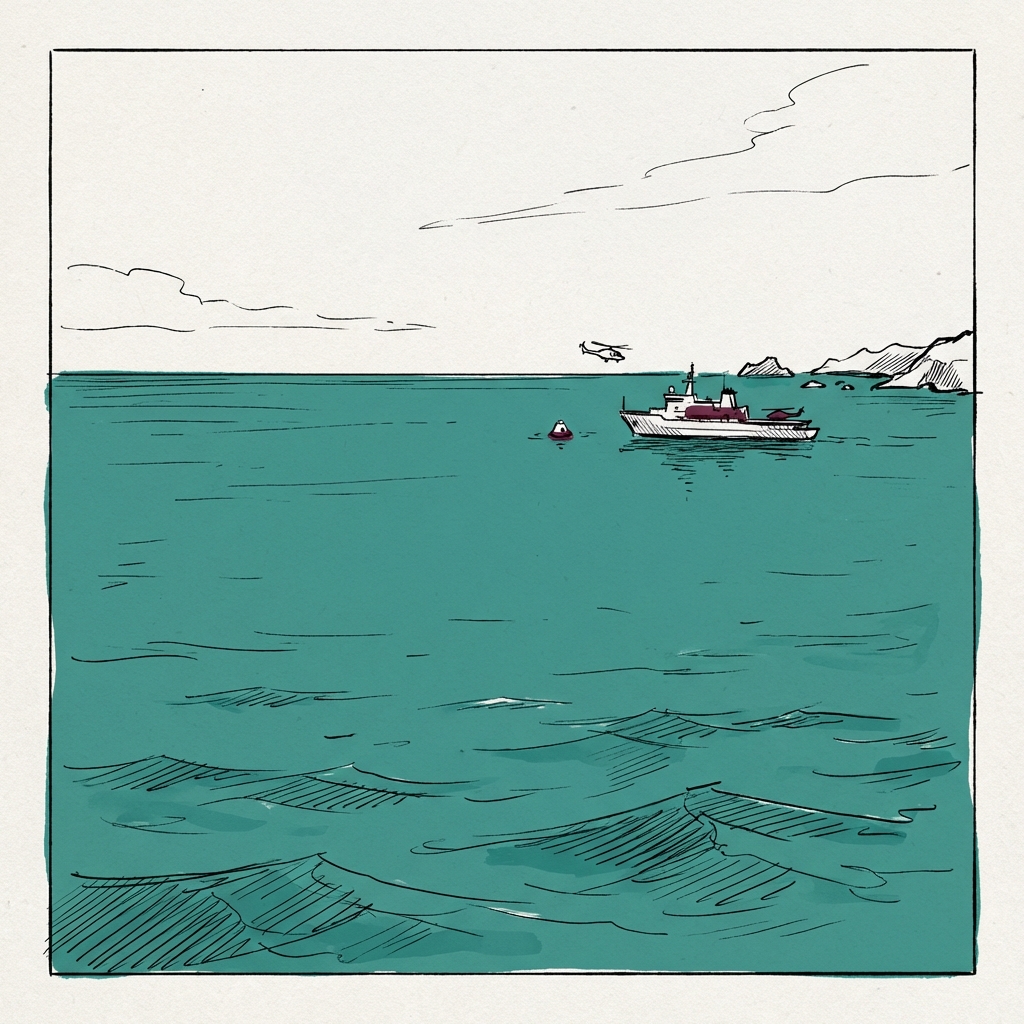
The Pacific Ocean is the world's largest ocean; on 10 April 2026 it received the first crewed spacecraft returning from lunar distance since 1972.
Last refreshed: 22 October 2026 · Appears in 1 active topic
Where exactly does Orion land when it returns from the Moon?
Timeline for Pacific Ocean
Mentioned in: Peru records first measles death of 2026
Pandemics and BiosecurityMentioned in: EIA pencils Brent at $89 by Q4 2026
European Oil MarketsMentioned in: Russian-flag shadow fleet share hits 21%
European Oil MarketsMentioned in: Orion due to splash down; crew recovery planned
Artemis II Moon MissionMentioned in: Orion splashes down in Pacific, crew recovered aboard USS Murtha
Artemis II Moon MissionBackground
Covering more area than any other ocean, the Pacific Ocean links the coasts of Asia, Oceania and the Americas, while its scale makes it central to global climate, shipping and scientific observation. El Niño begins in the tropical Pacific and can shift rainfall, heat and disease conditions far from the water itself.
Pacific routes also carry energy and other trade between producing and consuming regions. Its open areas provide controlled return zones for spacecraft, where recovery forces can operate away from populated land. Climate system, transport corridor and recovery area are separate functions of the same geography.
How can El Niño increase dengue in Peru?
Why is El Niño a health risk around the Pacific in 2026?
Why do Pacific ports matter to Russian oil exports?
Where did Artemis II splash down in the Pacific?
Written with AI from Lowdown's published reporting. Not individually reviewed by an editor. Updated 22 October 2026. Editorial standards.