Matanzas
Western Cuban province; primary oil-import terminal; legal pathway for cargo blocked by CUPET's SDN designation.
Cuba's sixth total blackout of the year struck on 2 August, leaving Matanzas's own oil-import terminal still without legal cargo months after CUPET's US sanctions designation choked off tanker deliveries.
Last refreshed: 4 August 2026 · Appears in 1 active topic
Can any oil reach Matanzas Bay now that CUPET is on the OFAC sanctions list?
Timeline for Matanzas
Mentioned in: Felton fault splits Cuba's east again
Cuba DispatchHosted the simultaneous line trip that split the western zone
Cuba Dispatch: UNE blames a 110kV fault, not a stormMentioned in: Cuba blames blockade for 64% gas rise
Cuba DispatchMentioned in: OCDH logs 1,949 acts of repression
Cuba DispatchNuevitas failure blacks out all Cuba
Cuba DispatchBackground
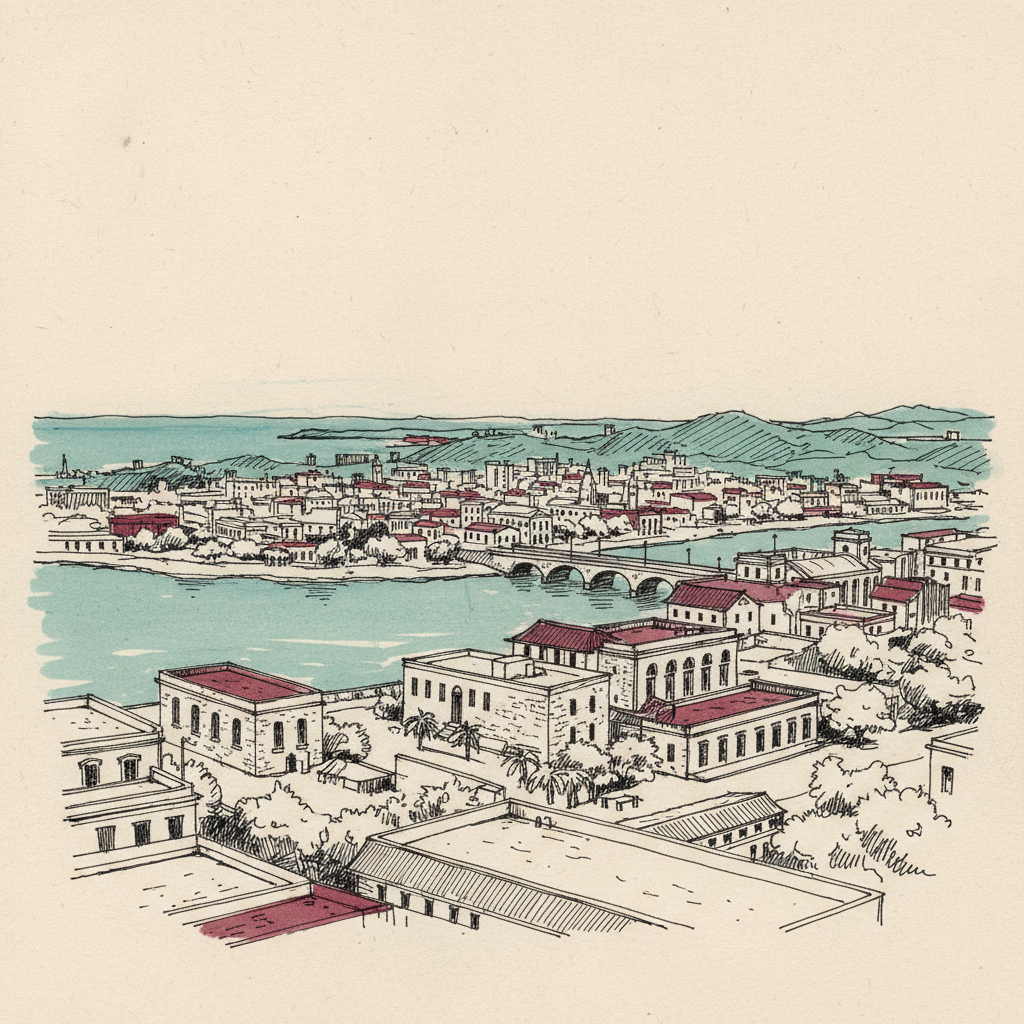
Matanzas province lies on Cuba's northern coast approximately 100 kilometres east of Havana. With a population of approximately one million, it is Cuba's third most populous province and an industrial and agricultural hub. The province hosts Varadero, Cuba's largest international resort zone, the Matanzas Bay industrial port, which is the primary Cuban oil-import terminal, and the former Supertanker Base, a major fuel storage facility badly damaged in a September 2022 explosion and fire that destroyed more than a million barrels of oil and killed at least 16 firefighters.
Because Matanzas Bay is the terminal through which Cuba's fuel imports flow to the downstream Camilo Cienfuegos refinery, the province's fortunes track the island's energy supply chain closely: disruption at the port cascades directly into grid deficits nationwide, not only locally. The UN Resident Coordinator's April 2026 assessment placed Matanzas on its list of 8 provinces with acute humanitarian need, and Varadero's tourism sector has seen sharply reduced capacity as fuel shortages affect service infrastructure.
Its grid fails for a sixth time
Cuba's grid failed completely on 2 August, the year's sixth total collapse; the previous day a partial outage had already struck five provinces, and when engineers tried to reconnect the system on 3 August that attempt failed too. Grid operator Union Electrica pointed to a substation fault rather than the storm damage other outlets blamed, with seven generating units already offline leaving almost no spare capacity to absorb a single new one.
For Matanzas, the province through which Cuba's fuel imports are meant to flow to the downstream Camilo Cienfuegos refinery, each fresh systemwide collapse compounds a bottleneck that has nothing to do with capacity at the port itself: no tanker has had a legal route to land there since CUPET's designation in June, so the grid now fails on empty terminals rather than broken ones.
The oil terminal sits without legal cargo
Matanzas Bay is Cuba's primary oil-import terminal and the intended destination for the Sovcomflot tanker Universal, carrying 270,000 barrels of Russian diesel. The vessel has been adrift since OFAC General Licence 134B expired on 16 May 2026 with no Cuba-specific successor, leaving it roughly 1,000 nautical miles offshore with no legal port to land in. On 11 June the US designated CUPET, Cuba's state oil company, closing the private-buyer loophole: Washington blocked a Vanguard Energy purchase of 250,000 barrels by refusing the State Department authorisation it needed, and CUPET's control of every terminal makes the Reform's non-state fuel-import route inoperable in practice.
The stalled imports compounded the island's worst grid crisis of the year: a 10 July transmission failure and a 14 July plant trip produced two total collapses within a week, and the 6 July Nuevitas failure alone left Matanzas without power for up to 87 hours.
Did Cuba's July 2026 grid collapses affect Matanzas?
Where is the Sovcomflot Universal expected to dock?
What happened in Matanzas Cuba in 2022?
Can the Sovcomflot Universal tanker unload its oil in Cuba?
What is Matanzas Bay used for in Cuba?
Why does Cuba route oil through Matanzas before Cienfuegos?
