Holguín
Eastern Cuba province; nickel mining hub bearing the longest blackouts in the 2026 energy crisis
Last refreshed: 9 July 2026 · Appears in 1 active topic
Cuba's biggest hard-currency earner sits in its worst-affected province; how long does Moa keep running?
Timeline for Holguín
Reconnected to the SEN at 10:44
Cuba Dispatch: SEN splits east from centre at 06:09Recorded as worst-affected in the satellite imagery
Cuba Dispatch: Bloomberg satellites: Cuban night light fell 50%Havana lit four days, east held at 24-hour outages
Cuba DispatchWhy does eastern Cuba have longer blackouts than Havana?
Where is Cuba's nickel mining located?
Why is Holguín so badly affected by Cuba's grid crisis?
Background
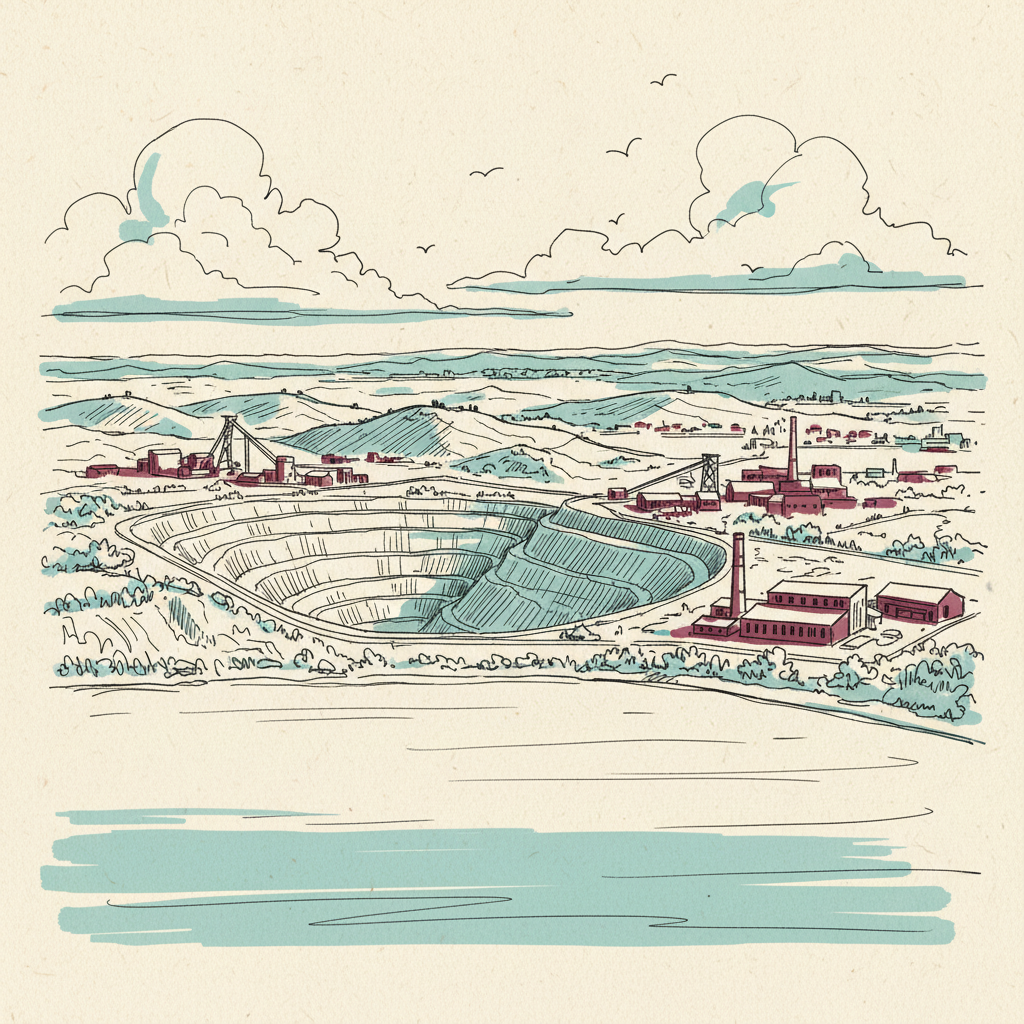
Holguín is a province in eastern Cuba, with its capital city of the same name. It is Cuba's primary centre for nickel and cobalt mining and processing, hosting the Moa nickel-cobalt complex, one of the world's largest nickel operations, majority-owned by a joint venture between Cuba and Canada's Sherritt International. Holguín province has a population of approximately 1 million and an economy built around mining, agriculture, and tourism (the Guardalavaca resort zone). Eastern Cuba as a region receives less government investment and political attention than Havana; infrastructure, including the electricity grid, is less maintained and more prone to extended outages. The province's nickel operations are among Cuba's largest hard-currency earners.
In April 2026, Holguín exemplified the geographic inequality in Cuba's power crisis. While Havana benefited from four days of restored electricity following the Camilo Cienfuegos refinery restart, eastern provinces including Holguín remained on 24-hour blackout rotations, meaning power was available for only a few hours per day. Energy Minister Vicente de la O Levy acknowledged the east-west split but framed the Havana restoration as an improvement; the disparity reflected UNE's load-shedding hierarchy, in which the capital is prioritised for stability.
Holguín sat on the staged restoration PATH after Cuba's fourth total National Grid collapse of 2026, triggered by the 6 July failure of Unit 6 at the Nuevitas plant in Camagüey. UNE reconnected the grid province by province from Pinar del Río through to Holguín, completing the sequence by Tuesday 7 July, though a post-restoration deficit above 2,000 MW persisted nationally. The episode reinforced Holguín's position as one of the provinces bearing the longest and most frequent outages in Cuba's 2026 energy crisis, consistent with the eastern region's place at the bottom of UNE's load-shedding priority.
What is the Moa nickel-cobalt complex?
Where is Holguín province in Cuba?
Was Moa Nickel SA sanctioned under EO 14404?
How much did Cuba's nighttime light drop in May 2026?
