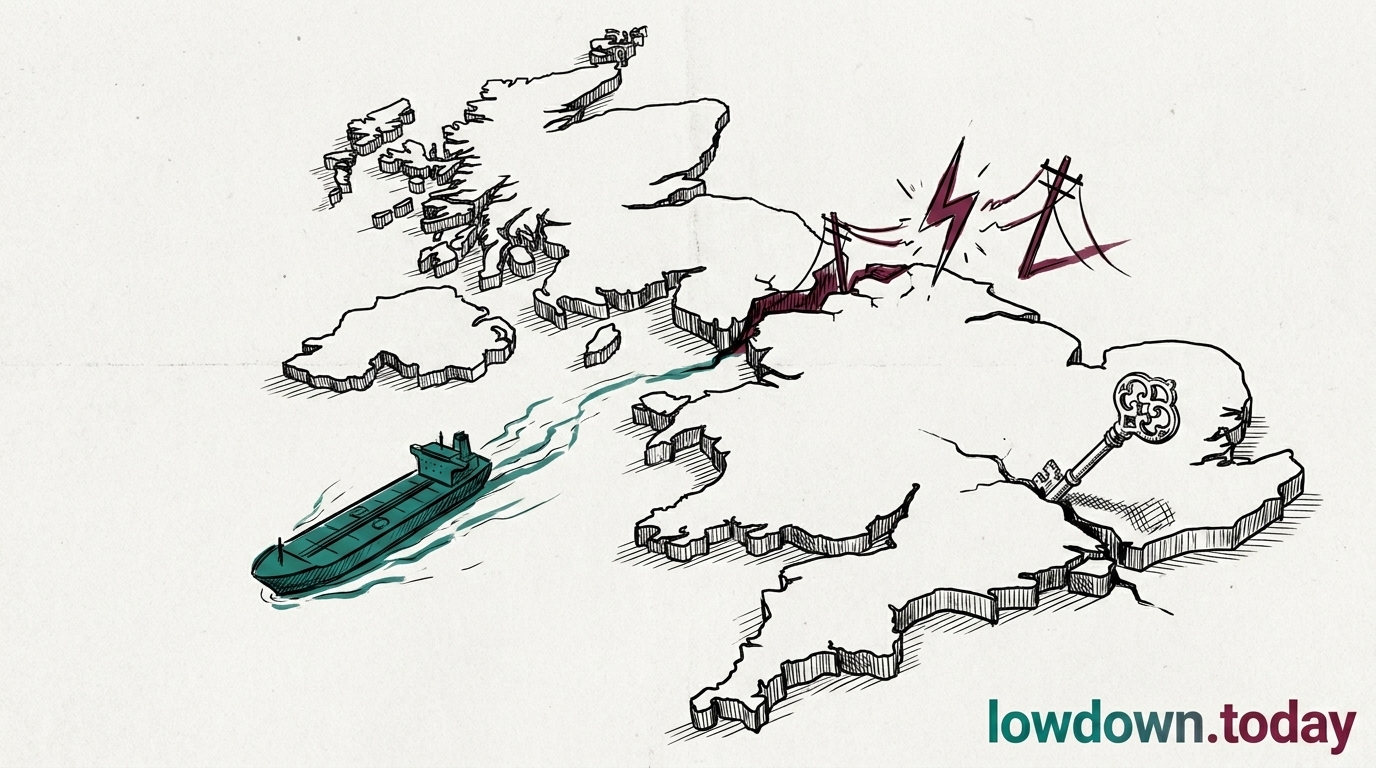
Cuba's National Civil Defense Staff issued household instructions on 16 May 2026 directing households to assemble three-day food backpacks as part of the Meteor 2026 civil-defence preparedness drill. Meteor is the annual exercise Cuba runs ahead of the Atlantic hurricane season, which officially opens on 1 June. The 2026 iteration's household-provisioning instruction is the visible departure from past years.
The instruction arrived three days after Energy Minister Vicente de la O Levy publicly framed Cuba as "out of fuel" at his 13 May press conference. The Year of Defence Preparation posture, which the government codified in early 2026 to organise the public response to economic and security pressures, has now collided with material food scarcity. Civil-defence doctrine internationally identifies the three-day reserve as the minimum self-sufficiency window for households before state distribution can be restored after a major disruption. The UN Resident Coordinator's 1 April 2026 assessment had already put 2 million Cubans in need and 96,000 surgeries pending.
For Cuban households already cycling 20 to 22 hours per day without electricity in Havana, the practical question is what to put in the backpack. Refrigerated reserves require functioning refrigerators; shelf-stable provisioning requires hard currency on the informal market, where the USD/CUP rate moved from 540 to 545 in the 11 days to 15 May. The instruction has no accompanying state-distribution programme to supply the food being reserved.
The civil-defence framing serves two functions in parallel. It transfers responsibility for emergency provisioning from the state to the household, and it normalises emergency conditions within a preparedness vocabulary. Meteor exercises historically focus on hurricane and tsunami scenarios; the 2026 instruction operates inside the same register but applies it to a structural fuel and food shortage that no hurricane has caused.




