Was the Chornobyl spent-fuel building holding live nuclear material when it was struck?
Timeline for Chornobyl
Mentioned in: Fire station falls at Zaporizhzhia plant
Russia-Ukraine War 2026Russian drone hits Chornobyl fuel building
Russia-Ukraine War 2026Background
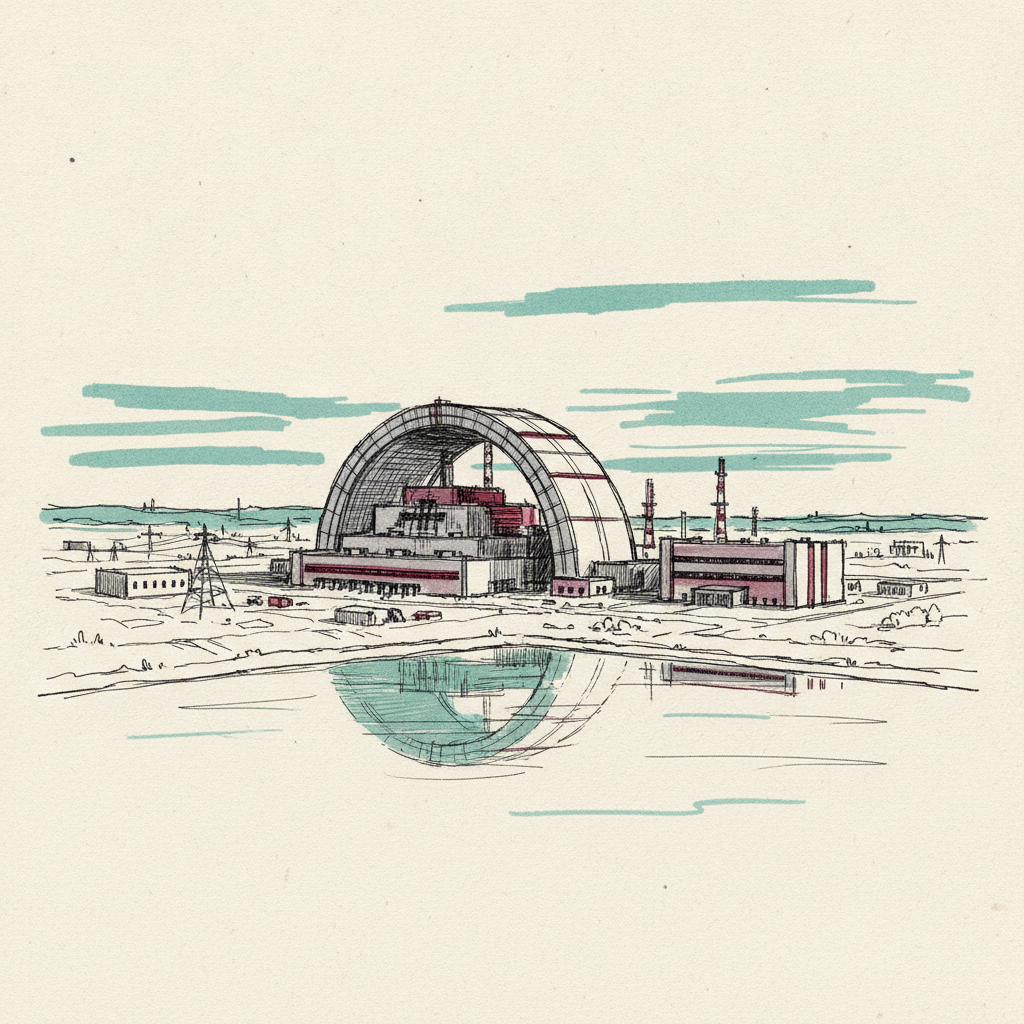
Chornobyl is the former Soviet nuclear power plant in northern Ukraine, 110km north of Kyiv, destroyed in the 1986 reactor disaster and decommissioned in 2000. It stores large quantities of spent nuclear fuel in an on-site dry storage facility. The New Safe Confinement arch, completed in 2016, encases the destroyed Reactor 4.
On 7 June 2026 a Russian Shahed drone struck the spent-fuel reception building at Chornobyl at around 02:00, causing significant structural damage to the facade, windows and doors. IAEA chief Rafael Grossi confirmed a small fire was extinguished and radiation stayed within limits, but large quantities of spent nuclear fuel sat metres from the impact point. Russia briefly occupied the site in February–March 2022; the June 2026 strike was the most serious incident since that withdrawal. Ukraine called the attack nuclear terrorism; Russia did not comment. The incident added to pressure on the IAEA, which was simultaneously negotiating a local Ceasefire to repair grid lines at Zaporizhzhia.
Was there a radiation leak after the Chornobyl drone strike in June 2026?
What is stored at Chornobyl today?
Where is the Chornobyl exclusion zone?
Why did Russia occupy Chornobyl in 2022?


Written with AI from Lowdown's published reporting. Not individually reviewed by an editor. Updated 13 July 2026. Editorial standards.