How much of Chornobyl's irreplaceable disaster archive has Russia permanently destroyed?
Timeline for Chornobyl Museum
Russia fires first dual Oreshnik salvo
Russia-Ukraine War 2026Background
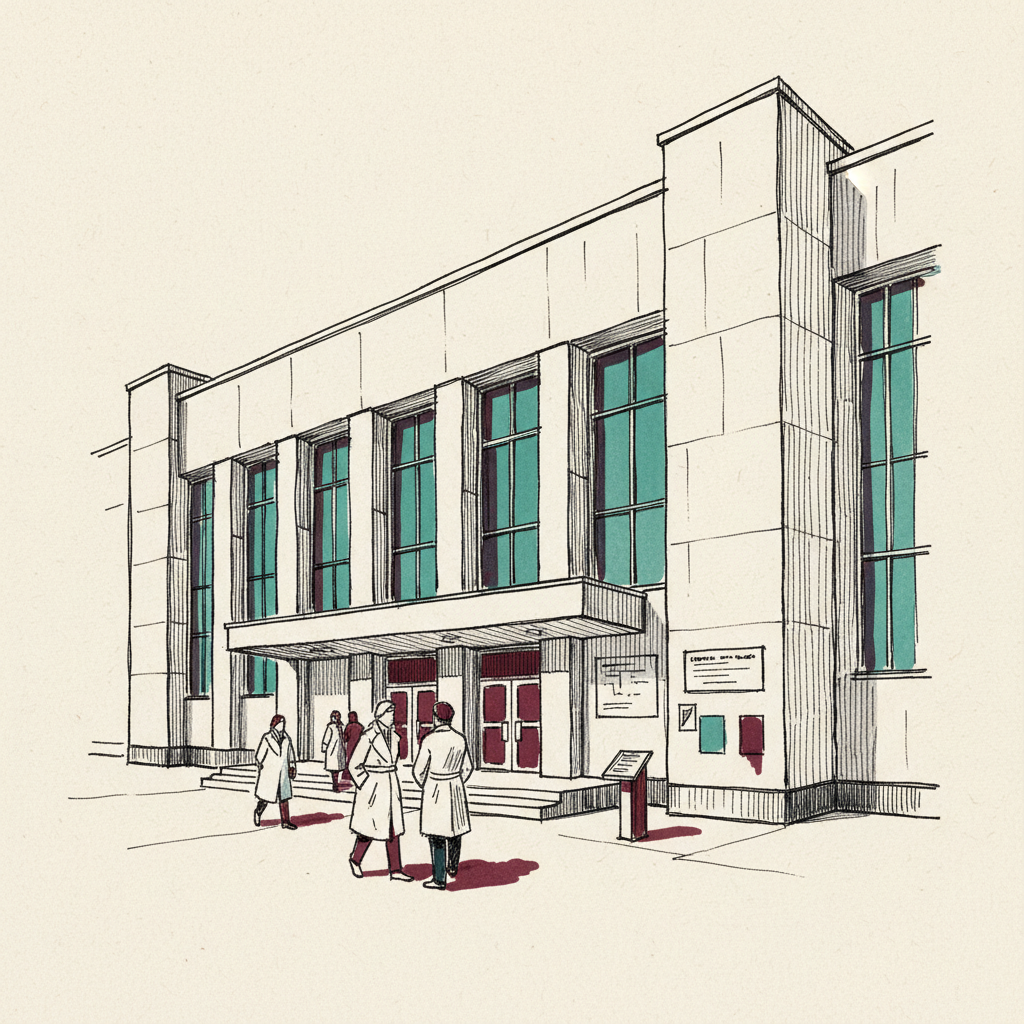
The Ukrainian National Chornobyl Museum suffered an irreplaceable loss on 24 May 2026, when Russian missiles struck its Kyiv building as part of the 690-weapon barrage that also targeted the National Art Museum and multiple other cultural sites. The museum reported that approximately 40% of its approximately 7,000-item collection was irretrievably destroyed, including declassified documents, survivor testimonies, artefacts from the abandoned Polissia villages, and primary records from the 1986 disaster response.
Founded in 1992 and opened on 26 April 1992 to mark the sixth anniversary of the Chornobyl disaster, the museum in Kyiv's Podil district became one of Europe's foremost repositories for nuclear disaster memory. Its collection documented the 1986 reactor explosion, the emergency response, the evacuations of Prypiat and surrounding settlements, and the long-term social and health consequences for affected communities across Ukraine, Belarus, and Russia.
The destruction of the collection carries significance beyond cultural loss. Many of the museum's records were unique primary sources unavailable elsewhere. Preservation efforts before the full-scale invasion had digitised only a portion of the holdings. International Heritage organisations condemned the strike under the Hague Convention framework for cultural property protection, though Russia is not a signatory.
Was the Chornobyl Museum in Kyiv destroyed by Russia?
What did the Chornobyl Museum in Kyiv contain?
When was the National Chornobyl Museum founded?
How much of the Chornobyl Museum collection survived the 2026 Russian strike?

