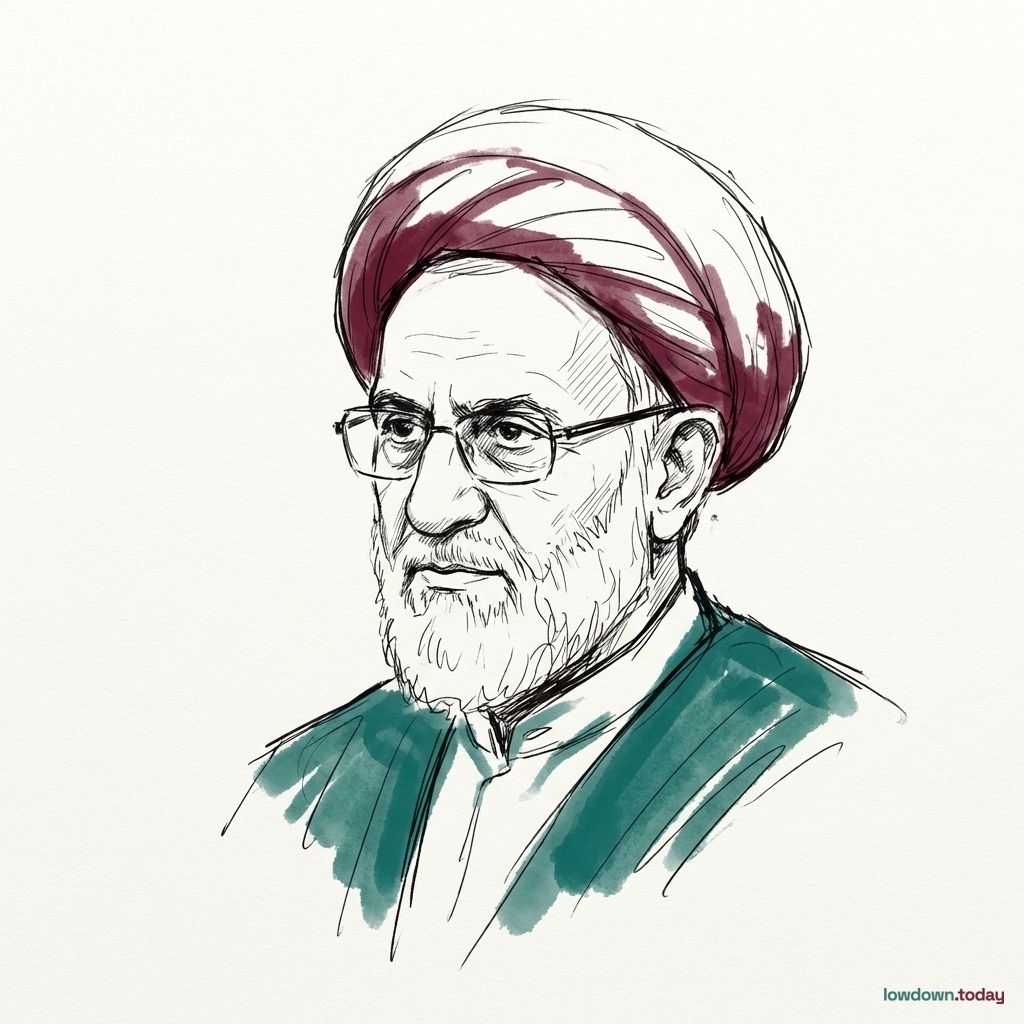
Is Mohseni-Ejei accelerating executions to consolidate the new regime, or because the judicial machinery has become autonomous?
Timeline for Chief Justice Mohseni-Ejei
Mentioned in: Iran hangs Turkish national, toll rises
Iran Conflict 2026Mentioned in: Hengaw: Kurdish bodies denied, writer detained
Iran Conflict 2026Hengaw counts 30 sentenced, 13 hanged
Iran Conflict 2026Presided as Assembly of Experts confirmed Mojtaba Khamenei as leader
Iran Conflict 2026: Mojtaba Khamenei named Supreme LeaderIran succession stalls; seat stays empty
Iran Conflict 2026Background
Mohseni-Ejei has served as Chief Justice since 2021, one of the Islamic Republic's most senior judicial officials. A hardline cleric closely associated with the security establishment, he presided over Iran's judiciary during the wave of protest crackdowns including the 2025-26 Iranian Protests, which drew international condemnation. As Chief Justice he has issued repeated orders accelerating death sentences since the start of the war in February 2026, creating what human rights organisations describe as a fast-track pipeline from cell to gallows that bypasses normal appellate review. By 4 May 2026, Hengaw confirmed that at least 30 January-protest detainees had been sentenced to death and 13 secretly executed, with Qasem Nouri Roudini executed that day despite his death sentence having been overturned twice.
Gholamhossein Mohseni-Ejei became one of three co-rulers of Iran when the remaining constitutional apparatus invoked Article 111 following the killing of Supreme Leader Ali Khamenei, naming him alongside President Masoud Pezeshkian and Ayatollah Alireza Arafi to assume the Supreme Leader's powers. As the council convened, prediction markets briefly priced Mohseni-Ejei as the frontrunner for the permanent succession, at roughly 18%. The council ultimately confirmed Mojtaba Khamenei as Supreme Leader.
The provincial spread of executions, from Mashhad in the northeast to Urmia in the northwest, Yazd in the south, and Rasht on the Caspian coast, indicates a nationwide pattern operating through the provincial court system Mohseni-Ejei controls. Whether his judicial authority survives under Mojtaba Khamenei's new Supreme Leadership remains an open question, but the acceleration of executions continued uninterrupted through the April Ceasefire and the May pause of Project Freedom.
Who is Chief Justice Mohseni-Ejei?
Was Mohseni-Ejei going to be Iran's Supreme Leader?
What is Article 111 of Iran's constitution?
How does Mohseni-Ejei compare to Ayatollah Arafi on the interim council?
What role did Mohseni-Ejei play in Iran's protest crackdowns?
Who is Chief Justice Mohseni-Ejei and what role does he play in Iran?
How many protesters has Iran executed under Mohseni-Ejei's orders?
Why did Iran execute Qasem Nouri Roudini after courts overturned his sentence twice?




Written with AI from Lowdown's published reporting. Not individually reviewed by an editor. Updated 6 May 2026. Editorial standards.