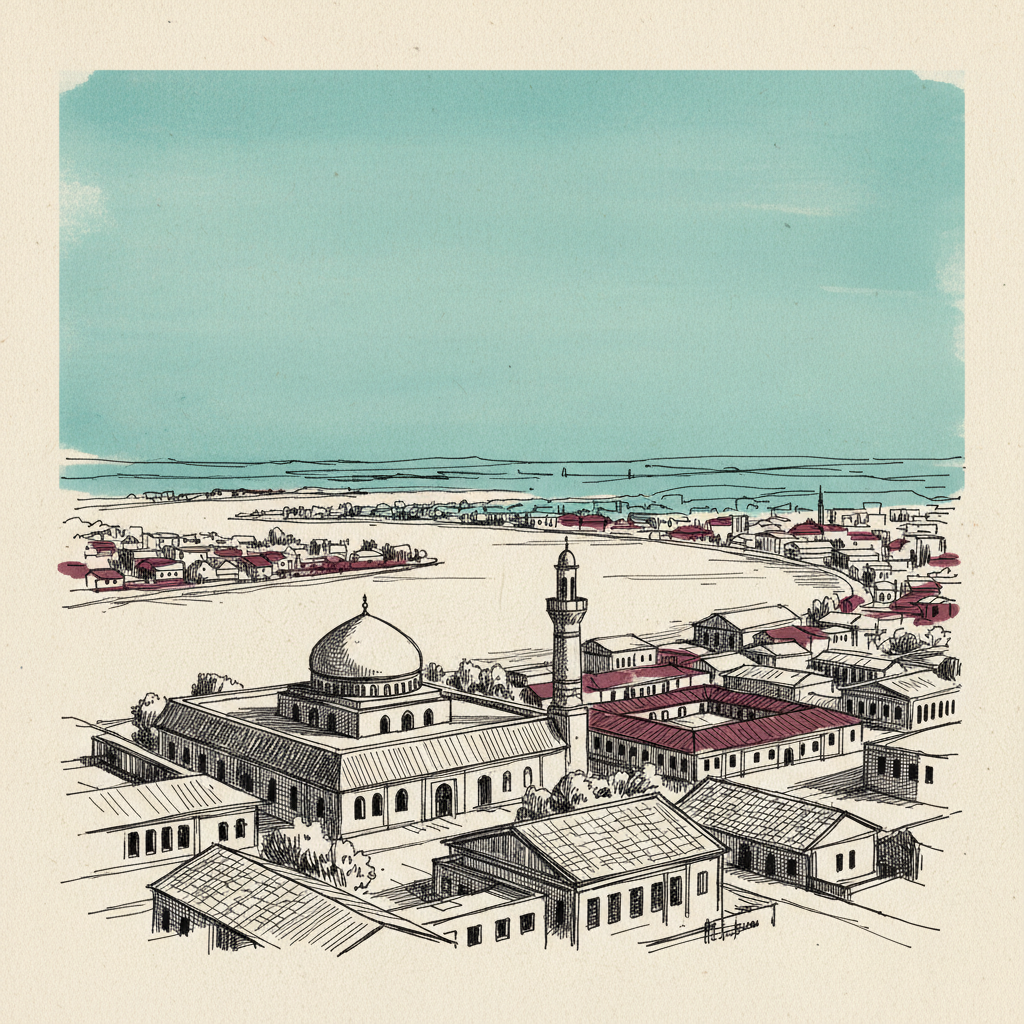
Rasht
Capital of Gilan province in northern Iran; site of a Gilak prisoner's execution on 5 May 2026.
Last refreshed: 6 May 2026 · Appears in 1 active topic
Who was the Gilak prisoner executed in Rasht on 5 May, and what were the charges?
Timeline for Rasht
Mentioned in: Persepolis author Satrapi dies at 56
Iran Conflict 2026Mentioned in: Iran hangs Turkish national, toll rises
Iran Conflict 2026Hengaw counts 30 sentenced, 13 hanged
Iran Conflict 2026Background
Rasht is the capital of Gilan province on Iran's Caspian Sea coast, in the north of the country, and is the largest city on the Iranian Caspian littoral with a population of approximately 750,000. It is the cultural centre of the Gilak people, a distinct Iranian ethnic group with their own language and literary tradition, and is known historically for a politically active civic culture, including the 1920 Soviet-backed Gilan Republic. The city sits roughly 330 kilometres north of Tehran.
On 5 May 2026, a Gilak prisoner was executed in Rasht, adding the city to the briefing's growing map of wartime execution sites across Iran's provinces. Hengaw's documentation of 30 January-protest detainees sentenced to death, with 13 secretly executed as of 4 May, provides the numerical frame for individual cases like this one. The provincial spread of executions, from Mashhad in the northeast to Urmia in the northwest, Yazd in the south, and now Rasht on the Caspian coast, indicates a nationwide pattern rather than a single court system operating in a single location.
Chief Justice Mohseni Eje'i's acceleration orders for death sentences operate through the provincial court system, enabling courts in cities like Rasht to process capital cases without the normal appellate review timeline. Gilan province has a documented history of political activism, and wartime execution reports from Rasht fit within a broader pattern of authorities targeting politically active communities in non-Persian-majority provinces.
Why is Rasht mentioned in the Iran execution reports from May 2026?
Where is Rasht and what is the Gilak people?
Where is Rasht and who are the Gilak people?
What is the significance of executions spreading to Rasht and other provinces?
Does Rasht have a history of political activism in Iran?
How does Rasht's execution fit into Hengaw's count of 30 sentenced and 13 hanged?
