CCTV
Chinese state-owned broadcaster China Central Television, the primary domestic television network of the People's Republic of China.
Last refreshed: 2 October 2026 · Appears in 1 active topic
What does Beijing want the world to believe about the Iran war?
Timeline for CCTV
Mentioned in: Iran fires 10 missiles at Ramat David
Iran Conflict 2026CCTV airs only the war Beijing wants
Iran Conflict 2026Background
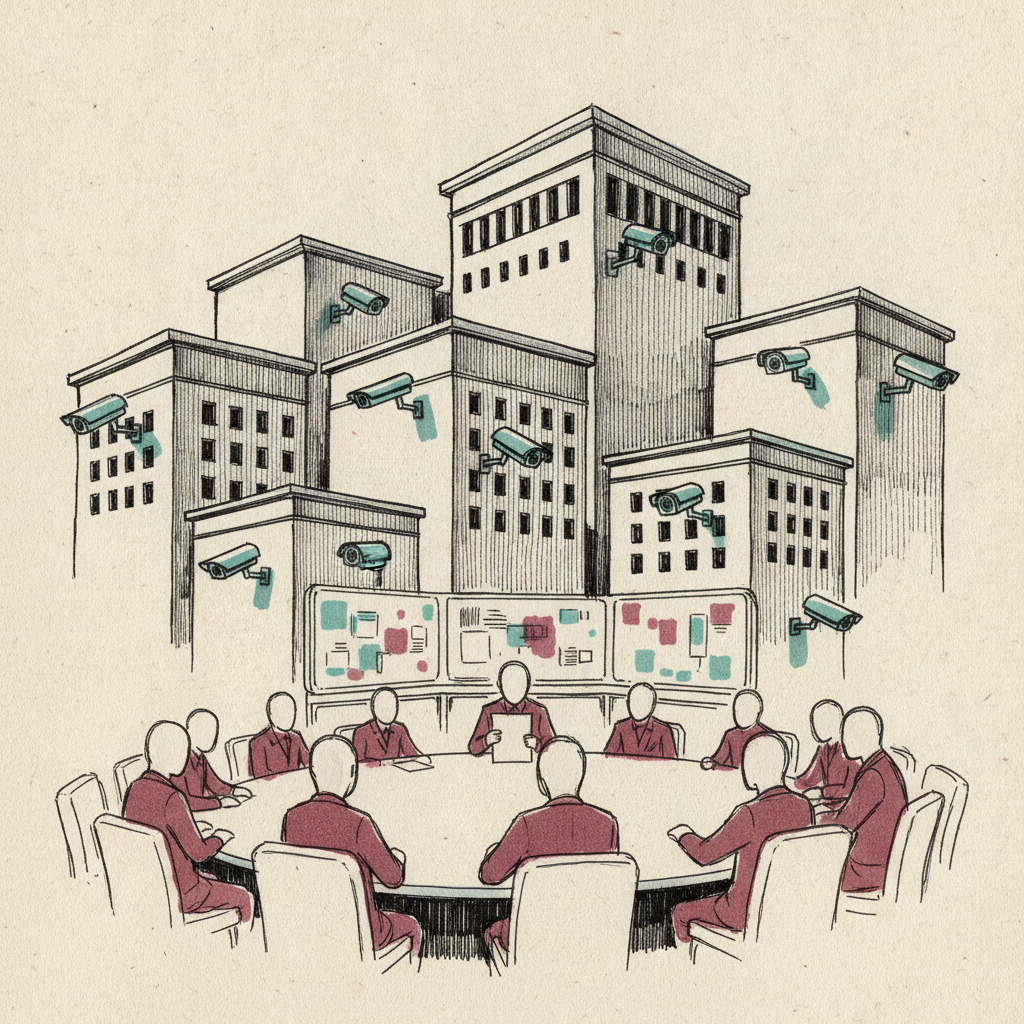
China Central Television (CCTV) is China's national state broadcaster, operating under the umbrella of China Media Group, itself supervised by the National Radio and Television Administration and, ultimately, the Propaganda Department of the Chinese Communist Party. The network runs more than 50 channels in multiple languages, including CGTN (China Global Television Network), its dedicated international-facing Arm broadcast into Africa, Europe, the Americas, and the Middle East. CCTV reaches the largest domestic audience of any broadcaster in the world by population served, though Independent third-party viewership audits are not published.
Founded in 1958, CCTV was restructured into China Media Group in March 2018 when the State Council merged it with China National Radio and China Radio International. The merger consolidated the Party's broadcast apparatus under a single administrative body, tightening coordination between domestic and international output. CGTN maintains editorial offices in Beijing, London, Washington DC, Nairobi, and Moscow. Programming spans news, sport, drama, documentary, and Science, with CCTV-13 (news) and CGTN International functioning as the primary vehicles for state-sanctioned foreign-affairs coverage.
As a Party-directed institution, CCTV's international news framing is widely studied as a direct signal of Beijing's official position on global events. During the 2026 Iran conflict, CCTV coverage emphasised sovereignty arguments and civilian casualties while omitting oppositional voices, a pattern consistent with its established approach to conflicts in which China seeks to maintain equidistance while criticising Western military involvement. The network's military commentators have characterised Iranian strikes as measured and proportionate responses to provocation, language that mirrors official Chinese diplomatic statements. For researchers and policymakers, CCTV output is treated as primary-source material on Beijing's narrative priorities rather than Independent journalism.
What is CCTV China and how is it different from CGTN?
Is CCTV state-controlled?
What does CCTV say about the Iran conflict?
When was China Central Television founded?


Written with AI from Lowdown's published reporting. Not individually reviewed by an editor. Updated 2 October 2026. Editorial standards.