Why did a Kenyan court block a US quarantine facility planned for Nairobi in 2026?
Timeline for Nairobi
Mentioned in: Kenya's AI campus turned on a guarantee
Data Centres: Boom and BacklashKenyan court halts US quarantine site
Pandemics and BiosecurityBackground
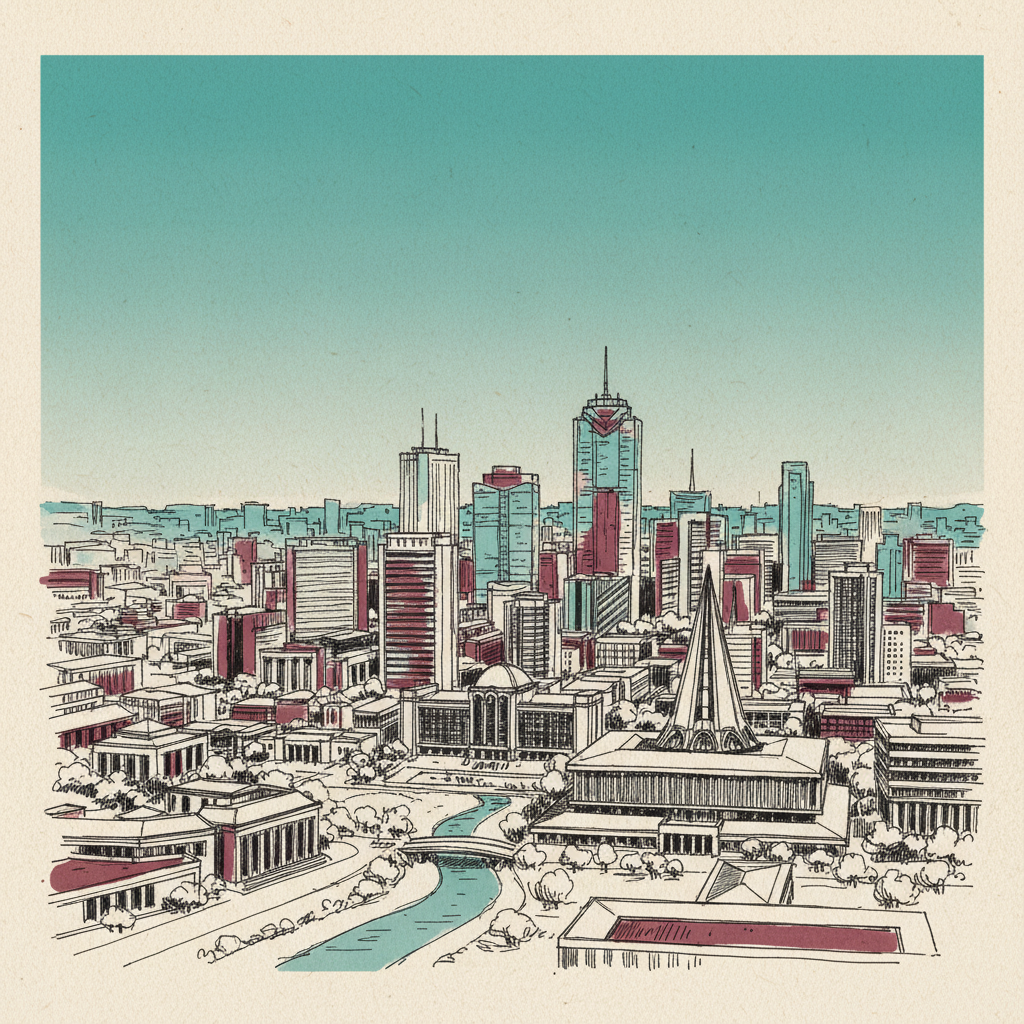
Nairobi is the capital and largest city of Kenya, with a population of approximately 4.4 million in the city proper and more than 9 million in the greater metropolitan area. Located at roughly 1,680 metres above SEA level in south-central Kenya, it is the economic, political, and diplomatic hub of East Africa. The city hosts the United Nations Environment Programme, UN-Habitat, and more than 100 foreign embassies and high commissions, making it one of Africa's principal multilateral centres.
Nairobi's Jomo Kenyatta International Airport is the region's busiest air hub, connecting East and Central Africa to Europe, Asia, and the Americas. The city is also a major base for international non-governmental organisations and humanitarian agencies operating across the Horn of Africa and the Great Lakes region. Its Westlands and Upper Hill districts host the headquarters of most international institutions with a regional Africa presence.
As a transit hub for the continent's most mobile international population, Nairobi is routinely at the centre of global health surveillance discussions. Previous outbreak responses in the region, including the 2014-16 West Africa Ebola epidemic and subsequent preparedness investments, have positioned the city's health authorities and the Kenya CDC as among East Africa's most capable public-health institutions.
Nairobi became a point of diplomatic friction during the 2026 Bundibugyo Ebola outbreak when a Kenyan court suspended a US plan to build a 50-bed quarantine facility for American nationals at a Nairobi air force base on 29 May. Hundreds of Kenyans protested against the site on 1 June, framing the facility as an assertion of US sovereignty on Kenyan territory. The episode highlighted the tensions that arise when a high-income country's evacuation planning intersects with the sovereignty of a host nation that has no confirmed outbreak cases of its own. Kenya had no confirmed Bundibugyo cases at the time; the facility was intended to process US nationals from neighbouring Uganda and DRC.
Why did Kenya block the US Ebola quarantine facility in Nairobi?
Does Nairobi have any Ebola cases in 2026?
What is Nairobi's role in the East Africa public health response?
Where is Nairobi located in Africa?
