Bonyad
Iranian parastatal foundations controlling an estimated 20-40% of non-oil GDP.
Last refreshed: 30 March 2026
Will Iran's bonyad networks survive the war or fracture under sanctions and strikes?
Timeline for Bonyad
Mentioned in: Iran names a Hormuz toll authority
Iran Conflict 2026Mentioned in: Israel kills Larijani, last negotiator
Iran Conflict 2026Background
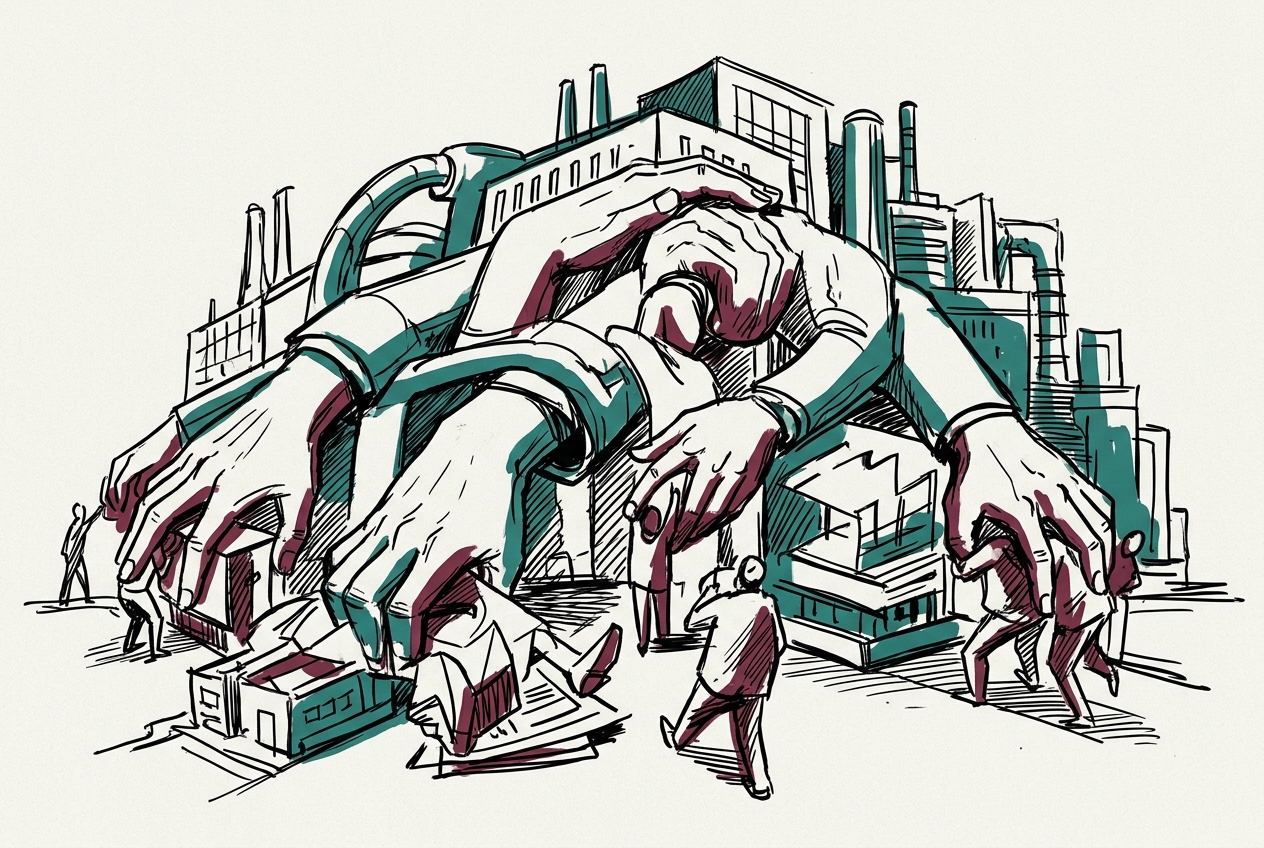
bonyads are parastatal charitable foundations unique to the Islamic Republic of Iran, Born from the Iranian Revolution of 1979 when the new government confiscated Pahlavi Dynasty wealth and channelled it into endowments serving the poor, war-disabled, and pilgrims. The largest, Bonyad Mostazafan (Foundation of the Oppressed), absorbed hundreds of enterprises overnight. They are registered as charities yet run commercial empires spanning construction, agriculture, hotels, and manufacturing.
bonyads sit outside the elected government's budget, are tax-exempt, and report directly to the Supreme Leader rather than Parliament. They control an estimated 20-40 per cent of Iran's non-oil GDP. The Foundation of Martyrs, a key Bonyad compensating families of the military dead, operated in the same patronage network as Gholamreza Soleimani, the Basij commander killed alongside Ali Larijani in an Israeli strike on Tehran.
The structural paradox is that institutions founded to serve the dispossessed have become instruments of patronage and sanctions evasion, shielded from audit by their theological mandate. As Ali Khamenei's grip tightens under wartime pressure, bonyads become critical to funding parallel power structures that will outlast any negotiated settlement.
What is a bonyad in Iran?
Do bonyads pay tax in Iran?
How do bonyads help Iran evade sanctions?
What is the difference between Bonyad Mostazafan and the Foundation of Martyrs?
Who controls the bonyads in Iran?



