What was hit at Asaluyeh and why does it matter for the wider conflict?
Timeline for Asaluyeh
Mentioned in: Fourth night of strikes hits Abadan
Iran Conflict 2026Mentioned in: Bushehr strike claim nobody can confirm
Iran Conflict 2026Mentioned in: Khamenei returns from 34-day silence to authorise pause
Iran Conflict 2026Mentioned in: Khademi killed and the IRGC's gatekeeper falls
Iran Conflict 2026Israel claims 85% of Iran's chemicals
Iran Conflict 2026Background
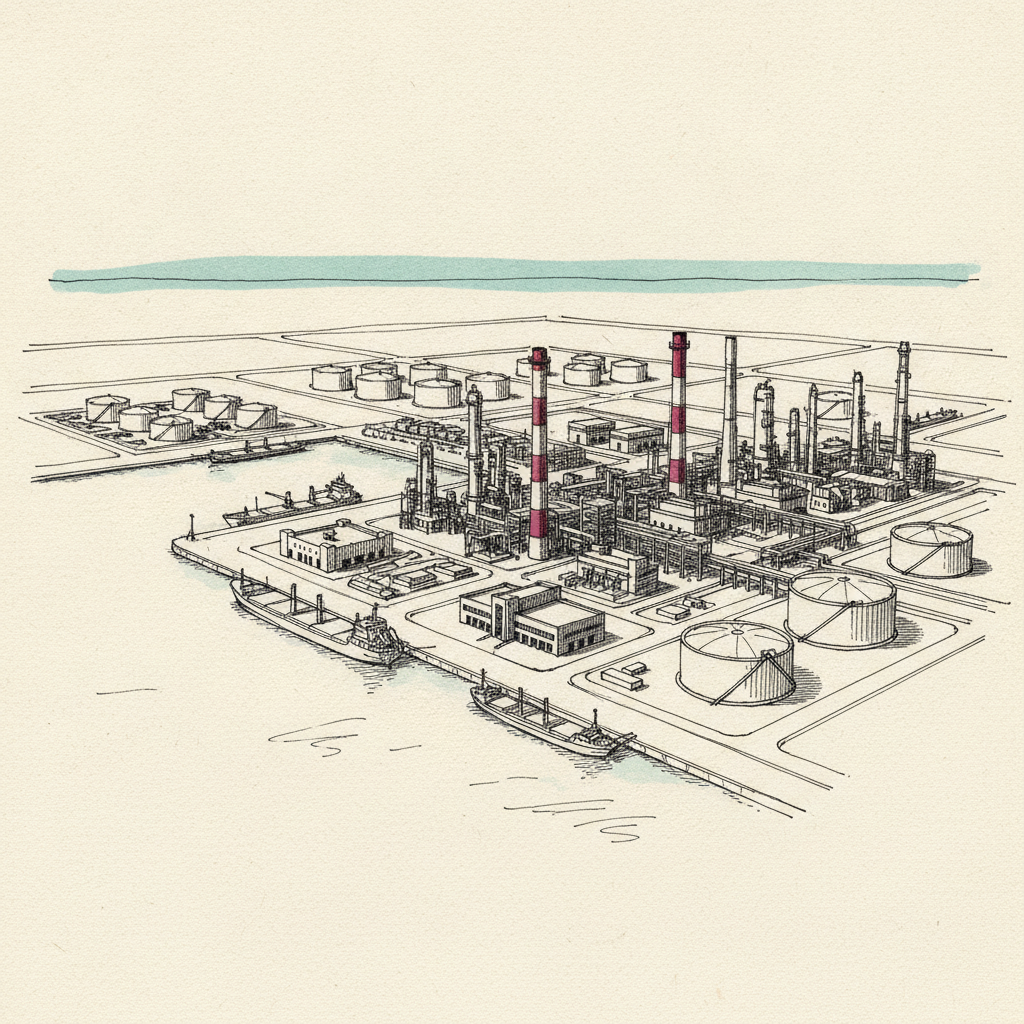
Asaluyeh is a coastal city on The Persian Gulf in Bushehr Province, southern Iran, approximately 1,000 km south of Tehran. It is the onshore industrial hub of the South Pars / North Dome gas field, the world's largest natural gas reservoir, jointly held with Qatar. The city hosts Iran's most concentrated cluster of petrochemical and Liquefied Natural Gas processing facilities, making it the single most economically important industrial site in the country after the oil terminals at Kharg Island.
On 6 April 2026, the Israel Defence Forces struck the South Pars complex at Asaluyeh, the day after hitting the Mahshahr petrochemical complex (Iran's second-largest). Israeli Defence Minister Israel Katz confirmed the strike publicly and claimed that combined with Mahshahr, 85% of Iran's petrochemical export capacity is now offline, representing a potential annual revenue loss of $10-12 billion at pre-war export rates. Iran has not confirmed the figure, and Independent verification is constrained because Planet Labs satellite imagery of Iran has been blacked out by undisclosed US government order since 9 March 2026.
Asaluyeh's strategic significance extends beyond its economic weight. The South Pars field is jointly operated with Qatar's North Dome half; a strike that compounds pressure on Iranian production also lands next to infrastructure Qatar cannot afford to see damaged. The same 6 April strike wave on Asaluyeh was reportedly the location where IRGC intelligence chief Khademi was killed, compounding its significance across both the industrial and command attrition dimensions of the day's events. On 9 July, Bushehr's deputy governor told IRNA that a projectile also struck an Asaluyeh fishing pier in the same wave reportedly hitting the Bushehr nuclear plant's perimeter and the Choghaddak base; CENTCOM said its own strikes had already ended by that hour and did not comment, and the IAEA had made no statement on the claim as of 10 July.
Was Asaluyeh struck again on 9 July 2026?
What is Asaluyeh and why does it matter to Iran's economy?
Did Israel strike Iran's South Pars gas field?
Why can't damage to Asaluyeh be independently verified?
Is Qatar's gas field connected to the Iranian site Israel struck?


