2026 G7 Kananaskis Summit
G7 leaders' summit held in Kananaskis, Alberta, Canada in June 2026; ended without a joint communique as the Iran deal dominated proceedings.
Last refreshed: 16 June 2026 · Appears in 1 active topic
Without a G7 communique, which countries are actually committed to coordinated sanctions relief for Iran?
Timeline for 2026 G7 Kananaskis Summit
G7 ends with no joint statement
Iran Conflict 2026Background
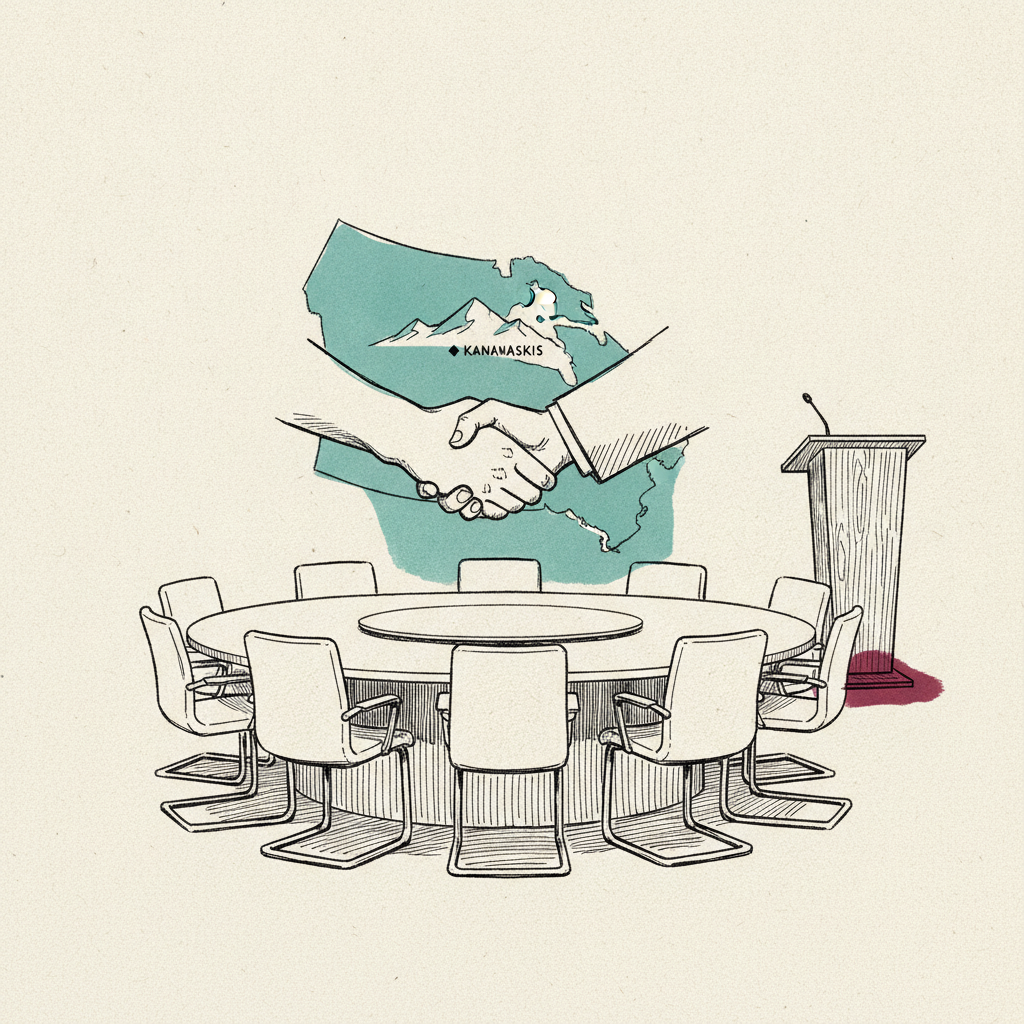
The 2026 G7 Kananaskis Summit brought the leaders of the seven major industrialised democracies to Kananaskis in Alberta, Canada, from 15 to 17 June 2026. The summit ended without a joint communique, an almost unprecedented outcome for a body whose institutional purpose is the production of consensus text. President Trump Left the gathering early as the Islamabad Memorandum of Understanding was being finalised between Washington and Tehran .
In the absence of a communique, leaders issued only a statement of vigilance on energy market impacts and a reaffirmation of Israel's right to self-defence. French President Emmanuel Macron credited G7 pressure with accelerating the Ceasefire; Trump publicly denied the summit played any role, reflecting the broader breakdown in consensus between the US and its allies over the shape and terms of the Iran deal. The fracture was visible: European leaders wanted a more structured process with clear nuclear commitments; Washington moved faster and without consulting allies on the memorandum's content.
The summit's failure to produce a communique matters beyond optics. The G7 is the principal forum for coordinating Western sanctions policy on Iran; without agreed text, the PATH to any sanctions relief in the memorandum's 60-day window runs through bilateral channels rather than a unified allied position. This is a significant structural constraint on implementation of any follow-on agreement.
Why did the G7 Kananaskis summit end without a joint communique?
What did Macron and Trump disagree about at the G7 summit?
Where is Kananaskis and why was the G7 held there?
What does it mean that the G7 had no joint statement on Iran?

