Alberta
Canada's oil-rich western province; hosted the June 2026 G7 summit at Kananaskis.
Last refreshed: 16 June 2026 · Appears in 1 active topic
Why did the G7 fail to agree a joint statement at Kananaskis in Alberta?
Timeline for Alberta
G7 ends with no joint statement
Iran Conflict 2026Mentioned in: xAI wins 41 gas turbines for Colossus
Data Centres: Boom and BacklashBackground
Alberta is Canada's primary oil and gas producing province, covering roughly 661,000 sq km in the western prairies and Rocky Mountain foothills. Its abundant natural gas, low land costs, and a competitive, deregulated electricity market operated by the Alberta Electric System Operator (AESO) have made it an attractive destination for large-scale industrial energy users. Alberta accounts for the large majority of Canada's conventional crude output and is home to the oil sands, the third-largest proven crude reserve in the world.
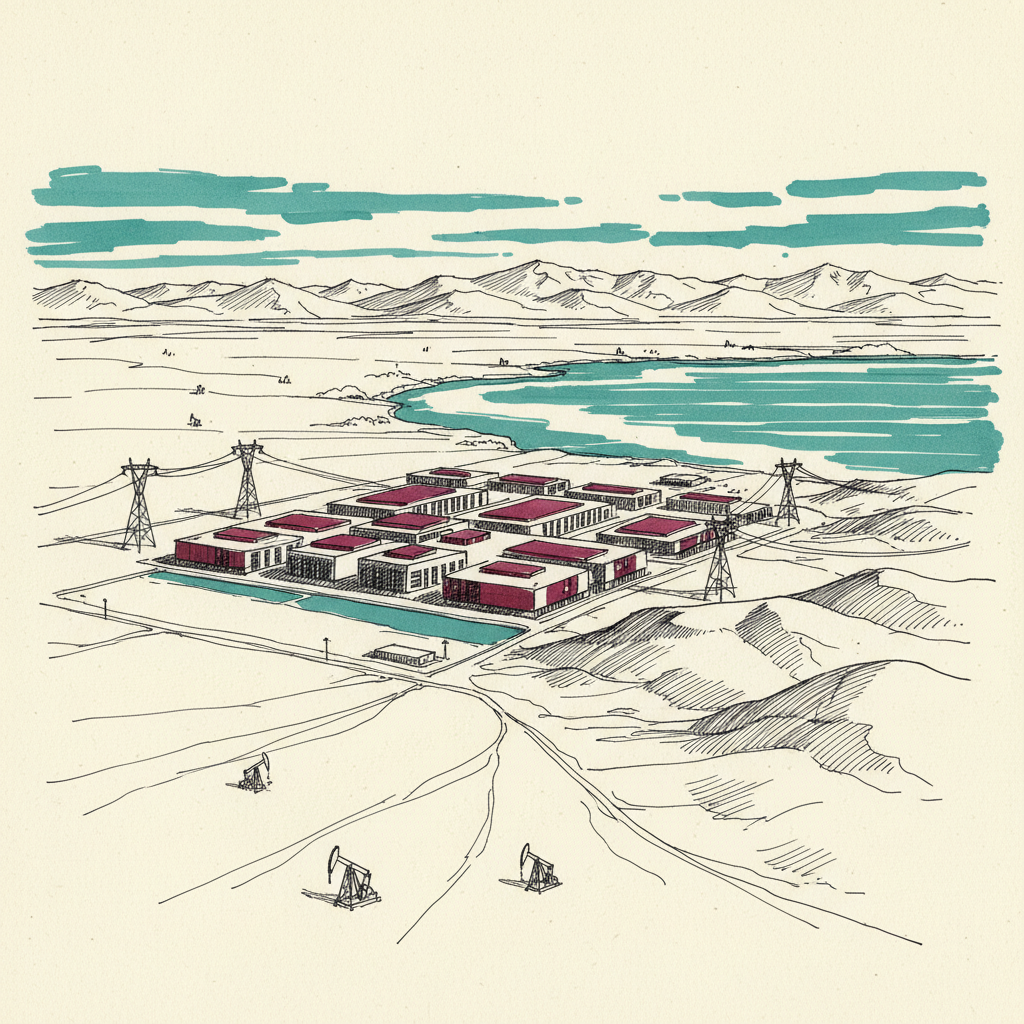
The province gained international prominence in June 2026 as the site of the G7 summit at Kananaskis, a resort community roughly 80 km west of Calgary in the Rocky Mountains. The summit concluded without a joint communique (an unusual breakdown for a body whose entire purpose is to issue consensus text) as Donald Trump left early following the announcement of the Iran ceasefire memorandum. Leaders issued only a brief statement on energy vigilance and a reaffirmation of Israel's right to self-defence, without reaching agreement on a common position on the conflict. Alberta has separately drawn attention as the proposed location for Kevin O'Leary's $70 billion Wonder Valley bring-your-own-power (BYOP) data centre campus, a project whose gas turbine underpinning sits in tension with Canada's federal Clean Electricity Regulations and carbon pricing trajectory.
Federal carbon pricing and the Clean Electricity Regulations, which aim to decarbonise The National grid by 2035, create long-run cost uncertainty for gas-intensive BYOP investments. The provincial government has welcomed data centre interest as economic diversification, but the regulatory trajectory makes the economics of multi-decade gas turbine assets increasingly uncertain.