Will Kananaskis force EU-27 unanimity on the Russian maritime-services ban?
Timeline for Kananaskis
Mentioned in: India brings its sailors home, with no apology
Iran Conflict 2026Mentioned in: G7 ends with no joint statement
Iran Conflict 2026Mentioned in: Starmer reopens UK door to Russian fuel
European Oil MarketsIdentified as the next coordination point where EU maritime-services ban unanimity could be forced
European Oil Markets: EU maritime ban stays on the shelfBackground
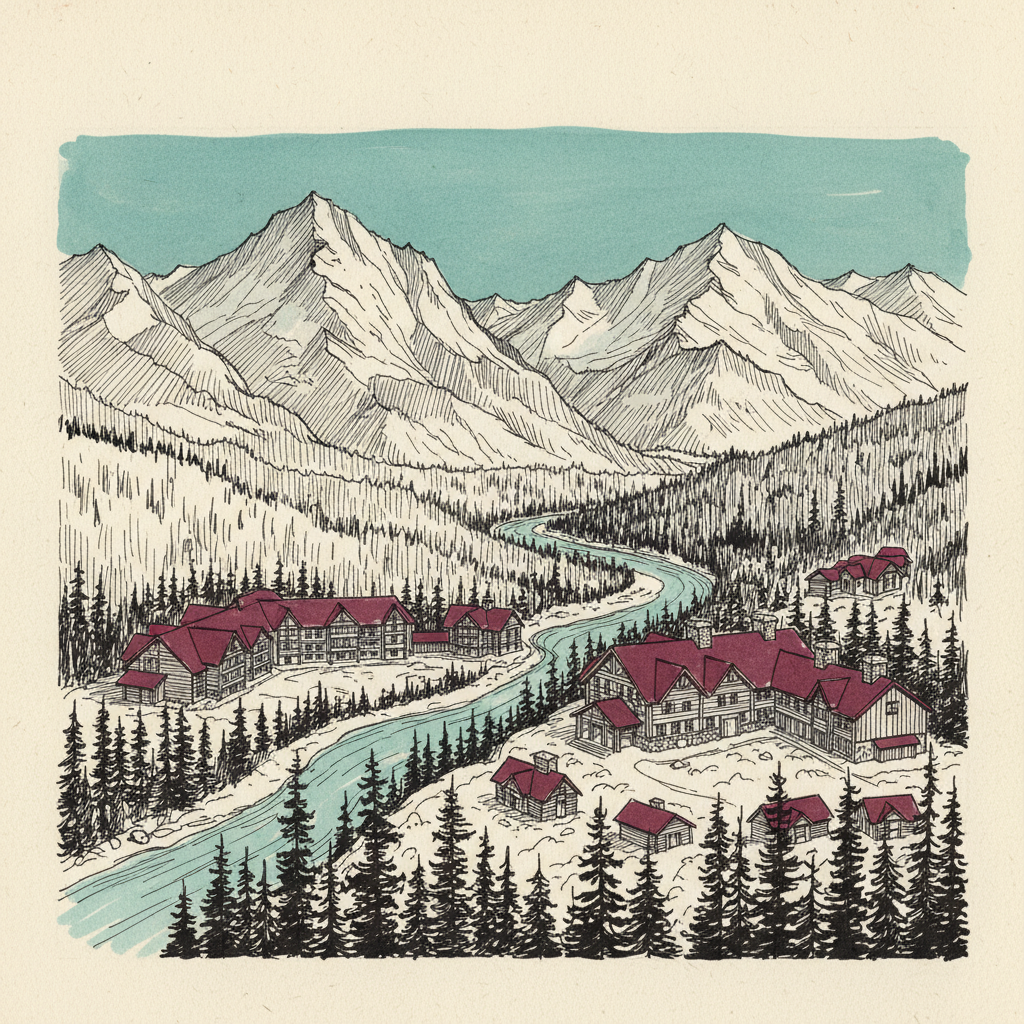
Kananaskis is a recreational and resort district in the Kananaskis Country provincial park area of Alberta, Canada, approximately 90 kilometres west of Calgary in the Canadian Rockies foothills. It is best known internationally as a summit venue: it previously hosted the G8 summit in 2002 (at the Fairmont Kananaskis Mountain Lodge) and returns as the G7 leaders summit host on 12-15 June 2026, under the Canadian Presidency of the G7. The summit's remote location is chosen deliberately to minimise security costs and protest exposure; the 2002 precedent established the pattern. The Canadian government has kept the specific hotel venue undisclosed in pre-summit communications.
The June 2026 Kananaskis G7 is the next major coordination point for G7 and price-CAP Coalition energy policy on Russia. The EU's 20th sanctions package, adopted 23 April 2026, left the full maritime-services ban on Russian shadow-fleet shipping out of the package for lack of EU-27 unanimity; future adoption was explicitly conditioned on G7 and price-CAP-Coalition coordination. The summit is therefore the forcing point at which EU-27 unanimity could be secured. A total of 632 vessels currently carry port bans, and the G7 is expected to review whether to extend restrictions or address the Urals-CAP-vs-market-price gap (Urals FOB ran ~$76/BBL against the revised $47.60 CAP in March 2026). Kananaskis is also expected to cover Ukraine reconstruction financing, AI governance, and trade frameworks with the Inflation Reduction Act renewal debate in the background.
In the Russian-sanctions and oil-markets context, Kananaskis 2026 functions as the Deadline by which Treasury must decide whether to renew GL 134C or let the rolling-bridge series end. The convergence of the GL 134C expiry on 17 June with the Kananaskis summit on 12-15 June means the policy window is effectively the summit itself. Analysts treat any summit communiqué language on Russian oil as the primary determinant of the POST-June freight and compliance-cost outlook.