Skip to content
Welcome, thoughtbot's Giant Robots listeners!Start here
UK Local Elections 2026
12AUG

Peers table four caps on party donors

3 min read
14:07UTC

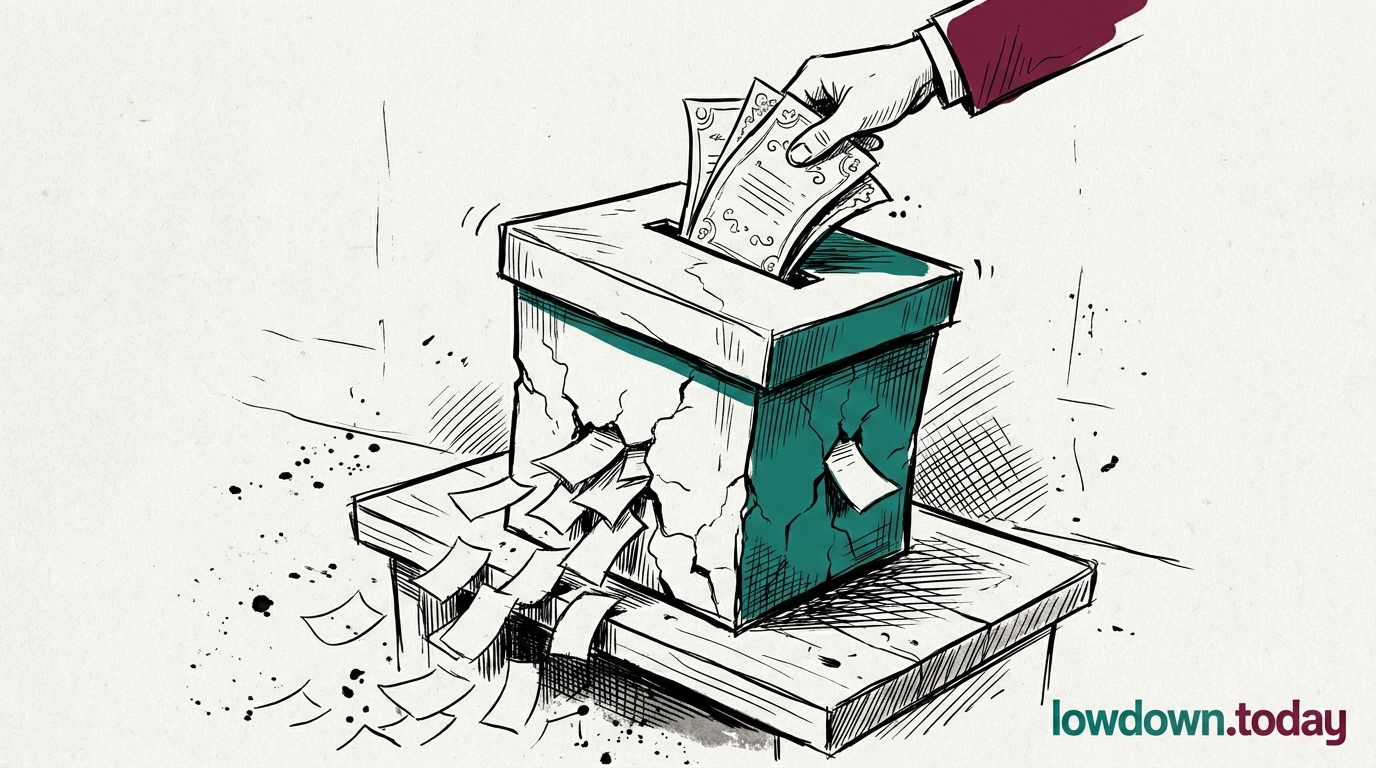
The Lords gave the Representation of the People Bill its Second Reading on 14 September; four of the 73 amendments since tabled would limit how much one donor can give.

PoliticsAssessed
Key takeaway

None of the four Lords donor caps would touch money given before the law takes effect.

The House of Lords gave the Representation of the People Bill its Second Reading, the first debate on a bill's principle, on 14 September⁠1. The Bill reached peers after the Commons passed it at Third Reading. Committee stage, where peers go through it line by line, had no sitting date as of 5 October, and 73 amendments were tabled for it⁠2.

Four would limit how much one donor can give, the ceiling the Commons declined to write in when it added a cryptoasset ban and an overseas-elector cap instead:

- Baroness Hayter of Kentish Town (Labour) would cut the cap on gifts from overseas electors from £100,000 to £10,000. - Lord Carter of Haslemere would let ministers set an annual cap for every donor by order, on an Electoral Commission recommendation. - Lord Cromwell would cap individuals at £100,000 every five years and a party's total donation income at £7m a year. - Lord Carlile of Berriew would cap any UK-resident donor at £5m a year, counting connected persons together.

The designs differ most on who sets the number. Carter's leaves it to a ministerial order and the regulator's advice, so Parliament would not vote on a figure; Cromwell's and Carlile's write one into the Bill, and either would stop a single donor giving Reform UK what Ben Delo gave it in September. As tabled, none of the four reaches a gift made before the new law takes effect.

Conservative frontbench peers argued against retrospective rules at Second Reading⁠3. The Bill already reaches back once, though: its cryptoasset ban is backdated to 25 March.

Deep Analysis

In plain English

A bill becomes law only after both the House of Commons and the House of Lords agree its text. The Commons passed this one, a wide Reform of how elections and party money work, in early September. In the Lords, Second Reading is the general debate. Committee comes next, when peers go through the bill line by line and vote on changes, called amendments. Under the 2000 party-funding law, one person can give a party any amount. Four peers want one. Each proposal would only apply after the law starts, so money already given would be untouched.

Deep Analysis
Root Causes

Article 7 of the European Convention on Human Rights bars creating a criminal offence for past conduct. Lord Cromwell's design carries criminal offences, so it could only ever apply to future gifts.

A civil clawback of money already given would engage the protection of property in Article 1 of the Convention's First Protocol. A party could argue in court that it lawfully owns a banked gift.

Timing sits with the Government. A Lords committee of the whole House meets when ministers' business managers schedule it, so the gap between Second Reading and committee is set by the Government, not by the peers tabling amendments.

What could happen next?
  • Consequence

    Without a committee date, a cap cannot become law before the Lords timetable allows, and every week of delay extends the period in which unlimited gifts stay legal.

    Short term · Assessed
  • Risk

    If the Lords adds a cap and the Commons removes it, the Bill enters ping-pong between the Houses, delaying its other provisions, including voter ID changes.

    Medium term · Suggested
  • Precedent

    The Bill's backdated cryptoasset ban gives peers who want retrospective caps a precedent inside the same Act.

    Short term · Suggested
First Reported In

Update #18 · Legal advice halts England's council mergers

House of Lords· 7 Oct 2026
Read original →
Different Perspectives
Lancashire County Council
Lancashire filed in the Administrative Court before the 16 October limit, and its full council called for a legally binding referendum before any reorganisation. Ministers withdrew the Lancashire decision on 29 October, so the Reform-run county council keeps its current structure for now.
Kent County Council
Kent County Council
Kent announced judicial review proceedings before the 16 October limit against splitting Kent and Medway into four unitary councils. Ministers withdrew the Kent and Medway decision on 29 October, so the Reform-run county council keeps its current structure for now.
Conservative Party / Donald Walmsley
Walmsley, an East Sussex county councillor, left Reform UK in November and joined the Conservatives, citing ITV's undercover footage of Reform councillors and the leadership's response. His move came as the Conservatives gained four council seats from 22 October to 12 November and lost none.
UK Government / Jim McMahon (MHCLG) and Lord Wilson of Sedgefield
MHCLG said on 29 October it is "minded to" create unitary councils in five English areas from 2029, and McMahon argues no area will want two tiers back once they exist. In the Lords on 2 November, Lord Wilson refused to put a deadline for automatic registration into the Representation of the People Bill.
Huw Irranca-Davies, Llywydd of the Senedd
Irranca-Davies ruled on 10 November that Joe Martin's request for a statement on the "demographic replacement of white British people" was discriminatory and offensive. Martin will not be called to speak until he apologises to the chamber, and Reform's free-speech motion of 18 November cannot overturn the ruling.
Reform UK / Nigel Farage and Helen Jenner
Reform's 33 Members of the Senedd left their benches empty at Plenary on 17 November over the Llywydd's ruling on Joe Martin, which Farage called "ridiculous and outrageous". Welsh leader Helen Jenner says meaningful debate and scrutiny cannot happen until the Presiding Officer reverses his decision.

Written with AI from Lowdown's published reporting. Not individually reviewed by an editor. Editorial standards.