Skip to content
Welcome, thoughtbot's Giant Robots listeners!Start here
UK Local Elections 2026
12AUG

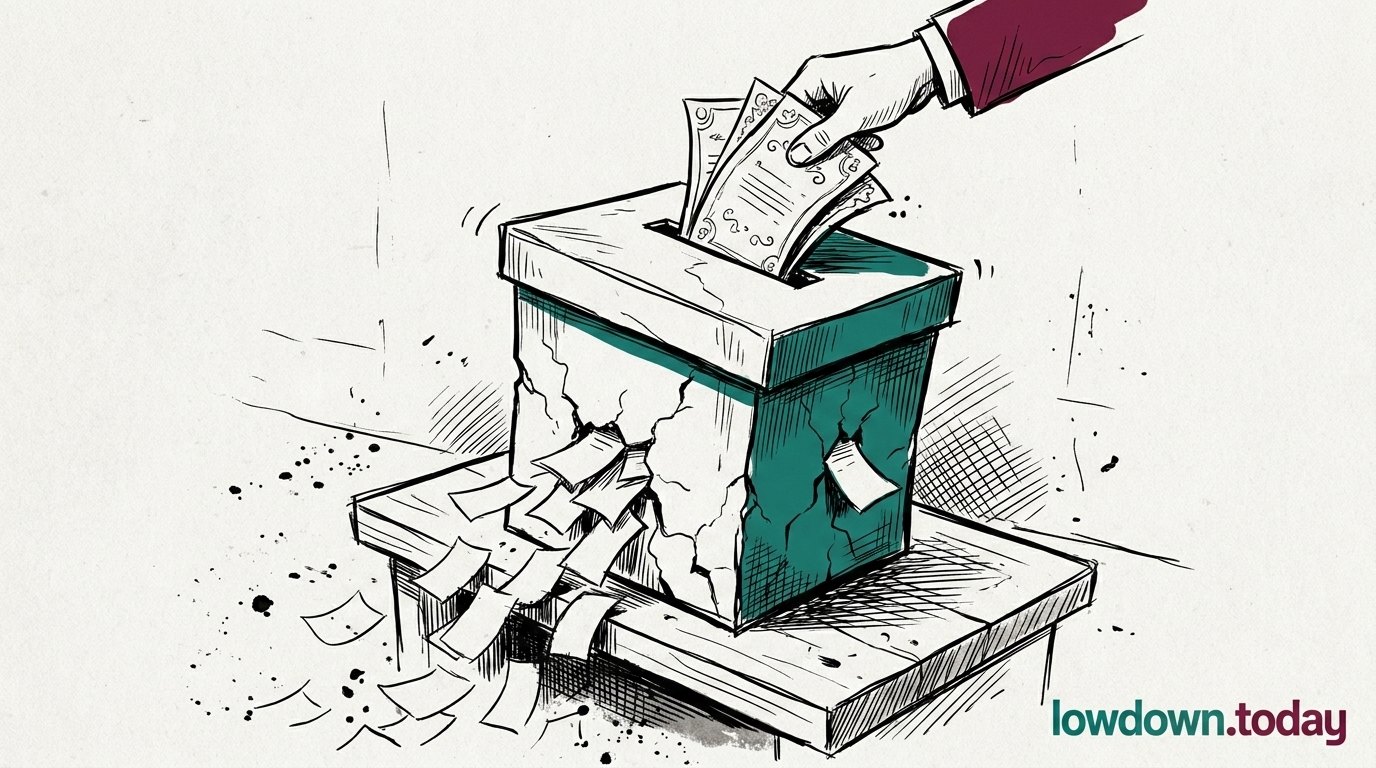
Commons refuses a cap on donations

2 min read
14:07UTC

Katie Lam's overseas-elector review fell 166 to 346, and Stella Creasy withdrew her £500,000 donation cap after a minister promised a taskforce instead.

PoliticsAssessed
Key takeaway

The Commons restricted the form and origin of donations but refused to cap how much one donor gives.

The House of Commons defeated three non-government new clauses to the Representation of the People Bill on Wednesday 2 September, then wrote two of its own into the text⁠1. A new clause is an amendment that inserts a whole new section into a bill at Report stage, the point at which the full House can rewrite what a committee has already agreed. This was the last chance to change the Bill before it left the elected chamber.

Katie Lam, the shadow Housing Secretary, tabled New Clause 65, which would have set up an independent review of overseas elector registration. It fell 166 to 346. Her New Clause 67, banning campaign material in languages other than English, fell 105 to 410. Lisa Smart of the Liberal Democrats lost New Clause 88, which would have established a Royal Commission on donation caps and spending limits, by 85 to 427⁠2.

The two Government clauses that did pass reach the instrument a donor uses and the country the donor lives in. New Clause 72 makes cryptoasset donations impermissible from 25 March 2026, the retrospective date Steve Reed first tabled in July, and New Clause 116 caps what contributors based overseas may give⁠3. Liam Byrne's summer push for a permanent statutory ban had already tested how far the House would go on who may fund a party, and this was the answer.

Nobody who wanted a ceiling on the size of a single gift got one. Stella Creasy withdrew her own £500,000 cap amendment after Florence Eshalomi, the democracy minister, promised a cross-government taskforce on mega-donors, according to the Guardian⁠4. The Government has published no terms of reference for it. What leaves the Commons regulates the form of a donation and the residence of the person making it, and says nothing about the amount.

Deep Analysis

In plain English

Report stage is the point in a bill's journey through the House of Commons where MPs debate and vote on changes line by line, before a final vote on the whole bill. Any MP can propose a new clause, extra text to add or a rule to change, but it only survives if a majority backs it. On 2 September, the Government's own proposed changes, a ban on cryptocurrency donations and a cap on money from electors who live abroad, were added. Three changes proposed by other MPs, on registration checks, foreign-language leaflets and a review of overall donation limits, were voted down. Labour MP Stella Creasy dropped her own plan for a £500,000 cap on any single gift after a minister promised to set up a taskforce instead, so the bill still has no upper limit on how much one person can give.

Deep Analysis
Root Causes

By Report stage, the Government had its own crypto-donation clause on the table: Steve Reed tabled the amendment behind NC72 on 14 July, the same day backbencher Liam Byrne separately tabled NC34 seeking a permanent statutory ban. Neither NC34 nor NC72's predecessor is among the three clauses recorded as defeated on 2 September, so it is NC72, the Government's own version, that MPs were left voting on; what happened to NC34 between July and September is not established by this run's sources.

The defeat margins across the three non-government clauses that were voted down widen through the day, 166-346, then 105-410, then 85-427, tracking a shift from investigatory asks toward institutional ones: MPs proved readier to reject a new standing body than a review.

What could happen next?
  • Consequence

    The Bill leaves the Commons with no ceiling on the size of a single donation, so a gift on the scale of Ben Delo's £4m remains lawful once it clears the Lords.

First Reported In

Update #17 · Reform's £4m arrived as cash, not crypto

UK Parliament· 3 Sept 2026
Read original →
Causes and effects
Different Perspectives
Rhun ap Iorwerth / Welsh Government (Plaid Cymru)
Ap Iorwerth presented six priorities to the Senedd on 22 September without numeric targets or a named partner party, promising to work across the chamber where there is common ground. He says his government will be judged on results.
Michael Marra / Scottish Labour
Marra won the leadership on 19 September, and three days later his 17 MSPs backed Swinney's right-to-decide motion once their child-poverty amendment was written in. He says Scottish Labour's task is to tell voters what it stands for.
Andy Burnham / Labour Party
Burnham told conference in Liverpool on 29 September that Labour's next manifesto will commit to changing the electoral system, and invited every party into a National Commission on Electoral Reform. He has not named a replacement system, and no chair or remit has been published.
Conservative Party (frontbench peers and Kemi Badenoch)
Conservative frontbench peers argued against retrospective rules at the Lords Second Reading on 14 September, a position that protects gifts made before any cap. Kemi Badenoch rejected Burnham's electoral reform commission on 2 October, accusing him of using it to entrench the left.
Reform UK
Reform UK
Reform denied wrongdoing after the Channel 4 News programme, called the sting a hoax by climate activists and said it would cooperate with the Metropolitan Police. In the same month it announced £36m gifts from Ben Delo and Christopher Harborne.
Steff Aquarone / Liberal Democrats (North Norfolk)
Aquarone told Rayner in the Commons on 7 September that North Norfolk District Council had spent money preparing for a reorganisation the Government has now withdrawn. He puts the cost of the cancelled merger on districts in the four areas.