Skip to content
Briefings are running a touch slower this week while we rebuild the foundations.See roadmap
Russia-Ukraine War 2026
1APR

EU 20th package hits crypto and Kyrgyzstan

4 min read
16:30UTC

The European Council adopted its 20th sanctions package on 23 April, naming 120 individuals and entities, seven Russian refineries and 46 shadow-fleet vessels, and triggering the anti-circumvention tool against Kyrgyzstan for the first time.

ConflictAssessed
Key takeaway

Brussels activated the anti-circumvention tool for the first time and added 46 shadow-fleet tankers.

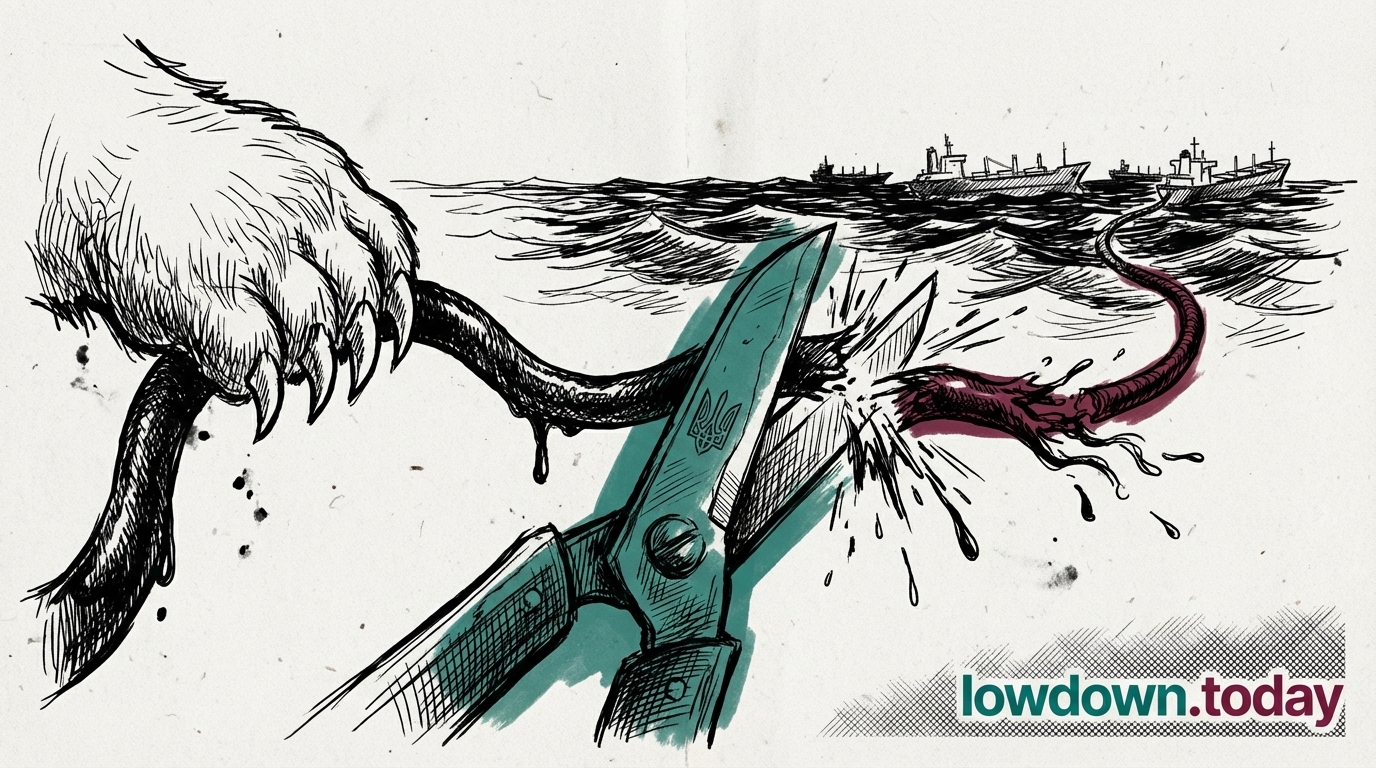
The European Council adopted its 20th sanctions package on Thursday 23 April, designating 120 new individuals and entities, seven Russian refineries, 46 additional shadow-fleet vessels bringing the sanctioned fleet total to 632, a blanket ban on transactions with Russian and Belarusian crypto-asset providers, and the first-ever activation of the anti-circumvention tool against Kyrgyzstan 1. The seven refineries named are Tuapse, Komsomolsk, Angarsk, Achinsk, Ryazan, Afipsky and Lukoil's Usinsk plant. Two producers, Bashneft and Slavneft, sit alongside them. Transaction bans extend to twenty Russian banks.

The novel parts sit further out from the energy core. The crypto ban covers the RUBx rouble-pegged stablecoin and the digital rouble, closing a channel Russian counterparties had used to settle sanctioned transactions off the SWIFT rails. Sixteen entities in China, the UAE, Uzbekistan, Kazakhstan and Belarus are listed for shipping dual-use components into Russia's military-industrial base. The Kyrgyzstan activation targets the systematic transhipment of EU machine tools and telecoms gear into Russian drone and missile production lines, a route documented across successive packages but never before sanctioned with the anti-circumvention instrument the EU added for this purpose.

The package builds directly on Treasury's 16 April SDN redesignation of Rosneft and Lukoil , which had already closed the dollar-clearing channel for Russia's two largest oil producers. Brussels is layering European sanctions on top of an American cliff that now runs to 29 October for Lukoil's non-Russian retail network. What the 20th package adds is enforcement at the periphery: shadow-fleet insurers, third-country transhippers, crypto providers. The commercial enforcement architecture Kyiv reinforced this week with the Druzhba move now runs through two jurisdictions at once.

Deep Analysis

In plain English

Every few months, the European Union adds more names and companies to its Russia sanctions list: a list of people and organisations that EU firms are banned from doing business with. The 20th such update, adopted on 23 April, was one of the biggest: 120 new entries including seven Russian oil refineries and 46 more ships that have been secretly carrying Russian oil to avoid earlier bans. It also banned all dealings with Russian crypto firms and, for the first time, used a special tool to punish Kyrgyzstan, a Central Asian country that had been quietly shipping European-made machine parts to Russia to build drones.

Deep Analysis
Root Causes

Three structural conditions drive the escalating sanctions architecture. First, the EU has sanctioned 632 shadow fleet vessels but Lloyd's intelligence estimates Russia's full shadow fleet at 700 to 800 vessels, with new vessels entering service faster than existing ones are designated, outpacing the designation rate by an estimated 50-100 ships per year.

Second, dual-use component flows through Kyrgyzstan reflect a specific manufacturing geography: CNC machine tools and telecommunications equipment transiting through Bishkek into Russia's Alabuga special economic zone, which produces Geran-2 drones. Sanctioning Kyrgyzstan for machine-tool transhipment targets the Geran-2 supply chain more directly than sanctioning Geran-2 producers, who simply move to different subcontractors.

Third, the crypto ban addresses Russian state financing at a higher level than individual transaction evasion: RUBx was designed as a state-to-state settlement mechanism for commodity trades that sidestep SWIFT, not a retail product. Its designation closes a wholesale channel.

First Reported In

Update #14 · Kyiv's Druzhba gambit unlocks €90bn loan

EU Council· 24 Apr 2026
Read original
Causes and effects
Different Perspectives
North Korea / DPRK
North Korea / DPRK
ISW confirmed the first mounting of DPRK Type-75 MLRS on Russian autonomous UGVs near Kharkiv on 7 June, the latest step in a supply axis that escalated from shells in 2023 to troops in 2024. Pyongyang gains live battlefield data on its ordnance and on Russia's uncrewed-systems programme.
IAEA / Rafael Grossi
Grossi confirmed Chornobyl structural damage with nuclear material metres away and could not attribute the ZNPP 15-hour blackout during the agreed repair window. Six ceasefires brokered and broken at ZNPP, compounded by Rosatom's May attack on IAEA neutrality, have eroded his ability to enforce the windows he negotiates.
Emmanuel Macron / France
Macron co-signed the E3 framework whose line-of-contact baseline marks Europe's first formal acceptance that 1991 borders are not the opening position. France's role carries weight because Macron had previously proposed a European force for Ukraine, and the framework's multinational force point is the vehicle for that.
Keir Starmer / E3
Keir Starmer / E3
Starmer, Macron and Merz met Zelenskyy on 7 June and backed a five-point framework taking the line of contact as the talks baseline, conceding roughly one fifth of Ukraine in exchange for a multinational force and frozen assets. With US mediation ended, the NATO Ankara summit on 7-8 July is the next test.
Vladimir Putin / Kremlin
Putin used SPIEF to reject Zelenskyy's summit letter, citing 'elements of rudeness', and repeated the pre-agreed treaty precondition that has frozen every diplomatic round since May. The SPIEF platform's message of investor confidence was punctured by naval fires visible from St Petersburg, which Moscow declined to dispute in scale.
Ukraine / Unmanned Systems Forces
Commander Brovdi confirmed USF units tracked and set fire to Boikyi at Kronstadt, while Code 9.2 struck the Chonhar Bridge the following day. Ukraine is sequencing strikes for rear-area interdiction and political timing rather than ground gains, trading the Baltic Fleet's home base for the logistics squeeze Russia cannot absorb without rationing its own occupied territory.
