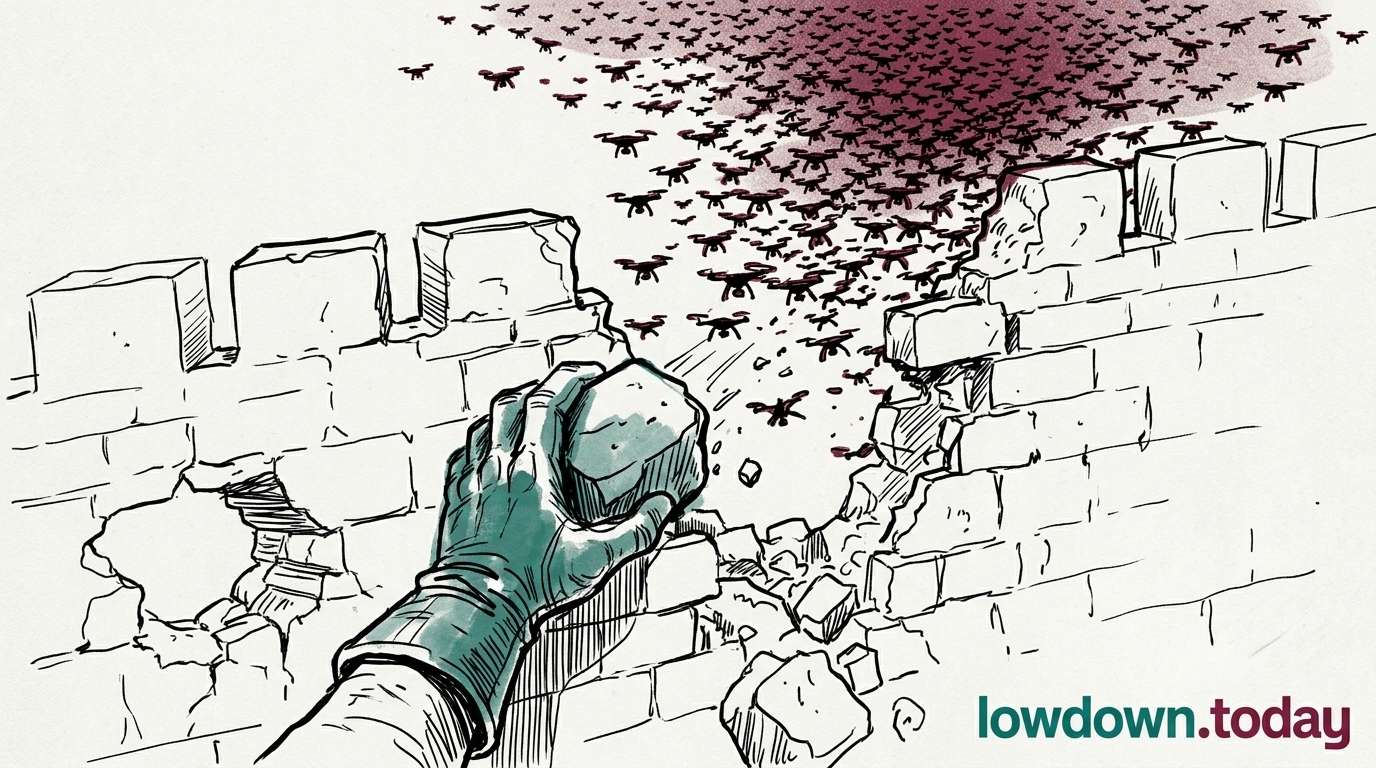
Attorney General Pam Bondi disbanded Task Force KleptoCapture on 5 February — the Department of Justice unit created in March 2022 specifically to seize Russian oligarch assets and prosecute sanctions evasion 1. Treasury hiring is frozen at compliance offices. The unit's former leader, Andrew Adams, warned of "a sharp decline in the pace of charges that target facilitators that are specific to Russia" 2.
The sequence matters more than either action alone. Five weeks after the task force was dissolved, Treasury issued waivers permitting any country to purchase approximately 124 million barrels of Russian oil already at sea . Treasury Secretary Scott Bessent called the measure "narrowly tailored," but Defense One assessed that framing as misleading given the structural hollowing of the enforcement apparatus that would monitor compliance 3. Former Secretary of State Mike Pompeo — a hawk on Russia during his tenure — cautioned that sanctions are "hard to put back on once taken off." The warning carries weight precisely because it comes from within the Republican Foreign Policy establishment, not from the administration's critics.
Task Force KleptoCapture had filed charges against sanctions-evasion networks, seized superyachts, and frozen oligarch accounts. That work depended on forensic accounting expertise, networks of informants in financial centres from Dubai to Cyprus, and cross-border cooperation agreements built case by case. A hiring freeze at Treasury compliance offices means the existing workforce shrinks through natural attrition without formal layoffs. Rebuilding that institutional capacity — if a future administration chose to — would take years, not months.
For European governments, the implications are immediate. The EU's phased ban on Russian gas begins 25 April with short-term LNG contracts , and the bloc has just sanctioned nine individuals for the Bucha massacre and extended restrictions on approximately 2,600 entities through September . Europe is tightening while America loosens. CREA data already showed 56 per cent of Russian crude moving on sanctioned shadow tankers in February . The enforcers who would have tracked those evasion networks — the prosecutors who understood how shell companies in the UAE connected to reflagged tankers in the Indian Ocean — are no longer at their desks.