Skip to content
You can now search across every topic, entity and event.What's new
Russia-Ukraine War 2026
2JUL

Fuel rationing hits 15 Russian regions

2 min read
10:54UTC

By 23 June at least 15 Russian regions were rationing petrol, and Deputy PM Alexander Novak told Putin the fuel market was challenging but under control while weighing a diesel export ban.

ConflictDeveloping
Key takeaway

Petrol rationing across 15 regions is a domestic cost the Kremlin cannot easily hide.

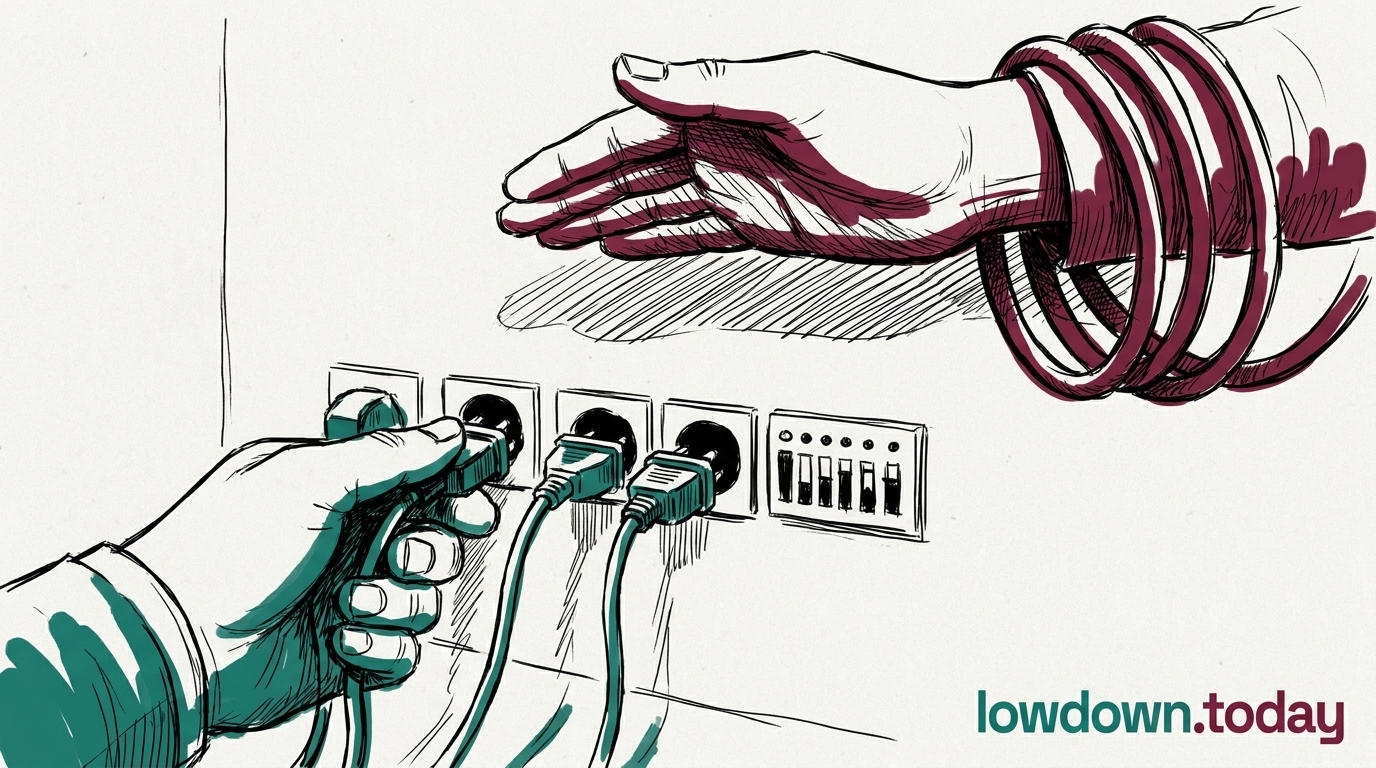
At least 15 Russian regions had imposed petrol sales restrictions by 23 June, as Ukrainian strikes on the Kapotnya and Tyumen refineries deepened a domestic fuel shortage 1. Deputy PM Alexander Novak told Vladimir Putin the same day the situation was "challenging but under control" while the government weighed a diesel export ban 2. Queues once confined to occupied Crimea had by then reached Irkutsk, Novosibirsk and Voronezh.

Novak is Russia's deputy prime minister for energy, and his phrasing is the tell. A government that had the shortage in hand would not be floating a diesel export ban, a measure that sacrifices hard-currency earnings to keep fuel at home. The Kapotnya shutdown drained Moscow-region supply , but the spread to Siberian cities thousands of miles from any struck plant points to a distribution system under strain, not a single outage.

In May, oil revenue surged 32.4% even as Novak cut the 2026 growth forecast to 0.4% ; a month on, the same minister is rationing forecourts and eyeing export curbs. The cost has moved from the balance sheet to the petrol station, which is a harder place for the Kremlin to hide it.

Deep Analysis

In plain English

By 23 June, at least 15 Russian regions had started limiting how much petrol each driver could buy. Russia's Deputy PM for energy, Alexander Novak, told President Putin that the fuel situation was difficult but manageable, even as the government considered a ban on diesel exports to keep more fuel inside Russia. Ukrainian strikes on refineries, not on oil fields, caused the shortage: Russia still pumps oil from the ground, but the factories that convert crude into petrol and diesel have been damaged. Crimea was already rationing petrol in early June; by late June queues had spread to major Russian cities including Irkutsk, Novosibirsk, and Voronezh.

What could happen next?
  • Consequence

    A diesel export ban, if enacted, would reduce Russian hard-currency earnings at the same time as H1 oil and gas revenues are already running 24% below forecast.

  • Risk

    Sustained rationing in 15 or more regions creates a visible domestic political cost for the Putin government, which has managed civilian exposure to the war's economic consequences carefully since 2022.

First Reported In

Update #21 · Ukraine's drones reach Russia's petrol pumps

Institute for the Study of War· 24 Jun 2026
Read original
Different Perspectives
Turkey
Turkey
Turkey, a major buyer of Russian diesel cargoes, loses that access under Moscow's first producer-binding export ban, in force from 8 July to 31 July. Ankara hosted the same week's NATO summit pledging EUR 70bn to Ukraine, sitting on both sides of the fuel-and-alliance ledger.
NATO
NATO
NATO leaders meeting in Ankara on 7 and 8 July pledged EUR 70bn in equipment, assistance and training for Ukraine across 2026, with a 2027 sustainment commitment and a $40bn Drone Edge counter-drone initiative. European allies now fund the vast majority of that package, filling the gap left by Washington's idled crude waiver.
India
India
India's state refiners continued buying discounted Urals crude as June's price fell to $63.18 a barrel, insulating New Delhi from the OFAC waiver gap still constraining Western buyers. Indian refiners could pick up diesel-export share as Russia's producer-binding ban shuts out its former customers.
China
China
China's independent refiners kept importing discounted Urals crude through June as the price fell to $63.18 a barrel, down 26% month-on-month per CREA. Beijing has said nothing on Moscow's new diesel ban, leaving Chinese refiners a likely beneficiary if Turkish and Brazilian buyers seek replacement cargoes.
United States
United States
No successor licence has been issued since General License 134C lapsed on 17 June, leaving a 26-day gap, the longest of the war, in the Russian crude waiver. Washington's silence is tightening the channel without any stated decision, as Treasury weighs whether to let it die.
Ukraine
Ukraine
Ukraine's long-range strike campaign shifted from refineries to seaborne fuel tankers crossing the Sea of Azov, cutting tracked vessel traffic 55% between 30 June and 11 July, per Starboard Maritime Intelligence. The shift targets Russia's export revenue directly rather than just domestic supply, adding pressure alongside the collapsing Urals price.
