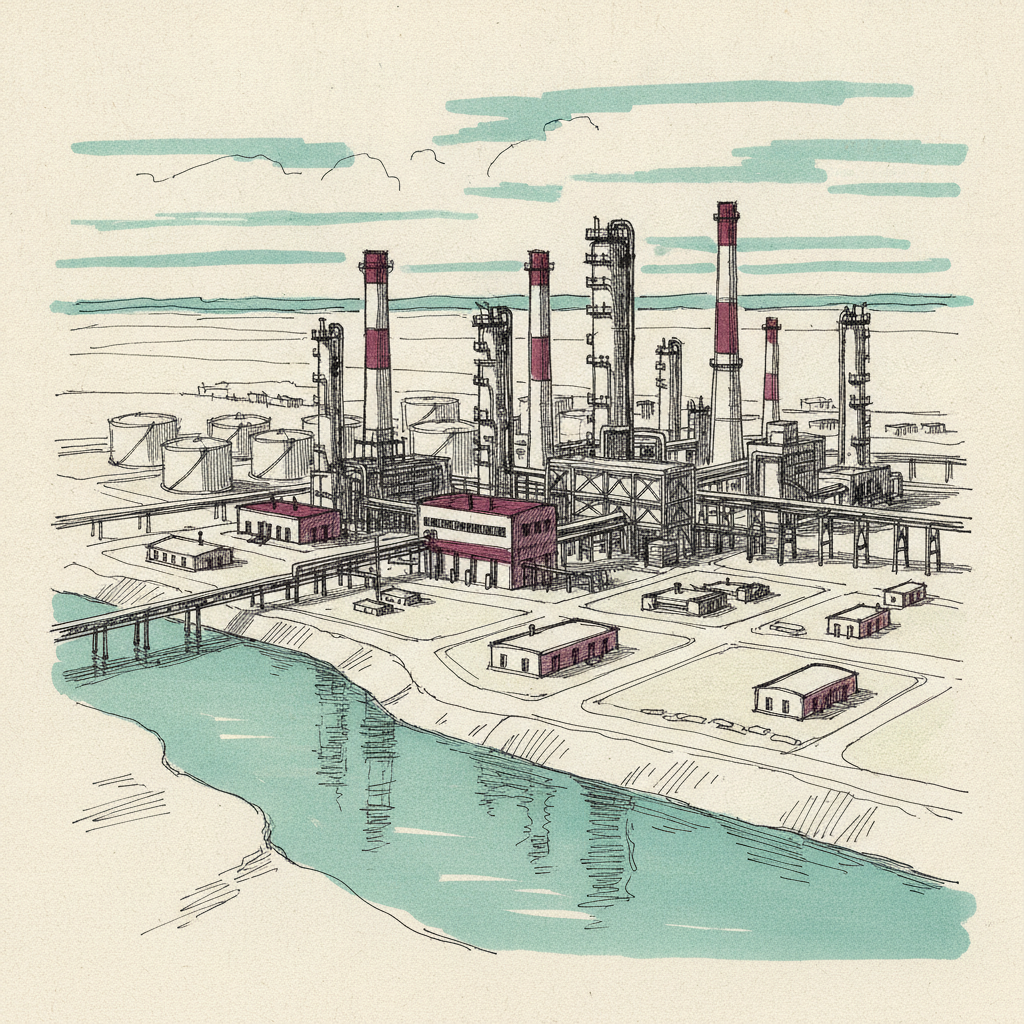
Tyumen refinery
The Tyumen refinery is a major oil-processing plant in western Siberia roughly 2,000 km from the Ukrainian border, processing approximately 9 million tonnes of crude per year; it was struck by Ukrainian drones on 20 June 2026 in the war's deepest strike to date.
Last refreshed: 13 July 2026 · Appears in 1 active topic
What does reaching Tyumen mean for the safety of Russia's Siberian oil infrastructure?
Timeline for Tyumen refinery
Mentioned in: Brovdi claims 285 tankers struck, breakdown sums to 79
Russia-Ukraine War 2026Fuel rationing hits 15 Russian regions
Russia-Ukraine War 2026Mentioned in: Zelenskyy confirms 3,000 km drone range
Russia-Ukraine War 2026Struck by Ukrainian drones; Tyumen governor disputed the damage
Russia-Ukraine War 2026: Ukraine hits Siberia, 2,000 km deepMentioned in: Bridges cut on Kherson's east bank
Russia-Ukraine War 2026Background
The Tyumen refinery is located in Tyumen city in western Siberia, approximately 2,000 km east of the Ukrainian border. It processes around 9 million tonnes of crude oil per year, making it a significant node in Russia's domestic refining network. Tyumen Oblast sits at the heart of Russia's western Siberian oilfields, which produce the majority of the country's crude output; the city's refinery transforms regional crude into products for domestic consumption and export.
On 20 June 2026 Ukrainian drones struck the Tyumen plant, reaching a distance of approximately 2,000 km from Ukrainian-controlled territory. The attack set a new record as the deepest Ukrainian strike of the war. Volodymyr Zelenskyy publicly confirmed the following day that Ukraine's drones now have an operational range of 3,000 km, explicitly placing the broader Siberian energy sector inside the Ukrainian strike envelope for the first time. The Tyumen governor disputed damage claims after the strike.
The strategic significance of reaching Tyumen is distinct from earlier refinery strikes nearer the border. Western Siberia hosts not only refineries but the primary oilfield infrastructure, pipelines and export terminals that underpin Russia's hydrocarbon revenues. A demonstrated 2,000 km-plus strike range means those assets are no longer protected by geography alone. The Tyumen strike combined with the Kapotnya hit on 18 June produced a domestic fuel shortage visible to Russian civilians: at least 15 regions imposed petrol rationing by 23 June 2026.
How far is the Tyumen refinery from Ukraine?
What was the significance of Ukraine hitting the Tyumen refinery?
How much oil does the Tyumen refinery process?
Did the Tyumen strike cause fuel shortages in Russia?

