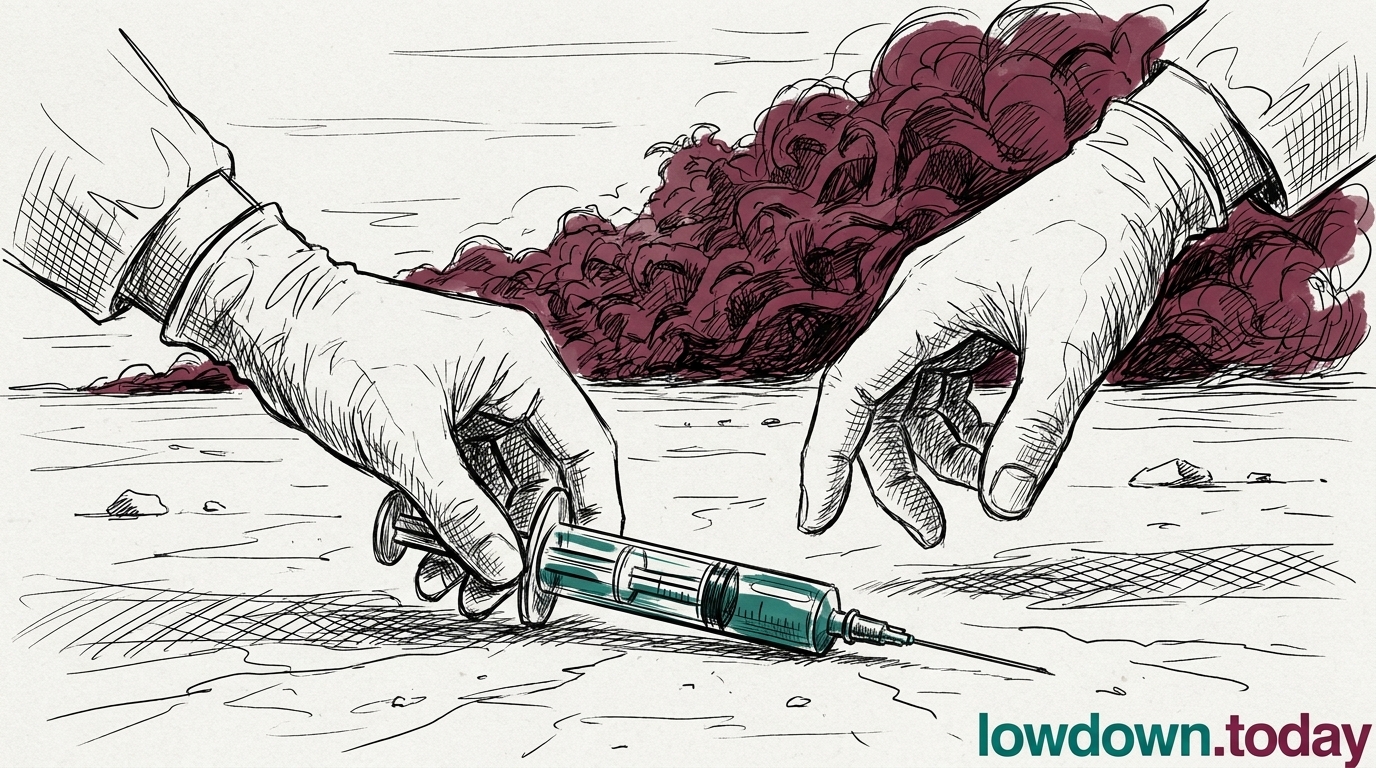
The US Centers for Disease Control and Prevention (CDC) issued a new 30-day entry ban on 21 June covering nationals of DR Congo, Uganda and South Sudan1. The order renewed a restriction that had lapsed around 17 June without resolution. The CDC is the United States federal public-health agency; an entry ban of this kind bars foreign nationals of the named countries from boarding US-bound flights, with an expiry that forces a renewal decision roughly every month.
This is the third turn of a ratchet. The measure began as the initial 18 May ban, widened to green-card holders on 5 June, and reached its 17 June expiry unresolved before this renewal. Each cycle has expanded the population covered or reset the clock rather than tied the restriction to any epidemiological trigger, such as a fall in the Bundibugyo ebolavirus case count or a drop in cross-border movement.
The World Health Organization (WHO) emergency committee continues to advise against travel restrictions of any kind, holding that they displace rather than reduce risk and discourage honest reporting by affected states. The structural weakness in the order showed within days. The first Ebola case to reach Europe arrived in a French citizen the ban does not cover, because it screens by nationality, not by where a traveller has actually been. The next expiry falls around 21 July, when Washington must decide whether to lift, renew again, or face a challenge to a measure whose own design left the real import route open.




