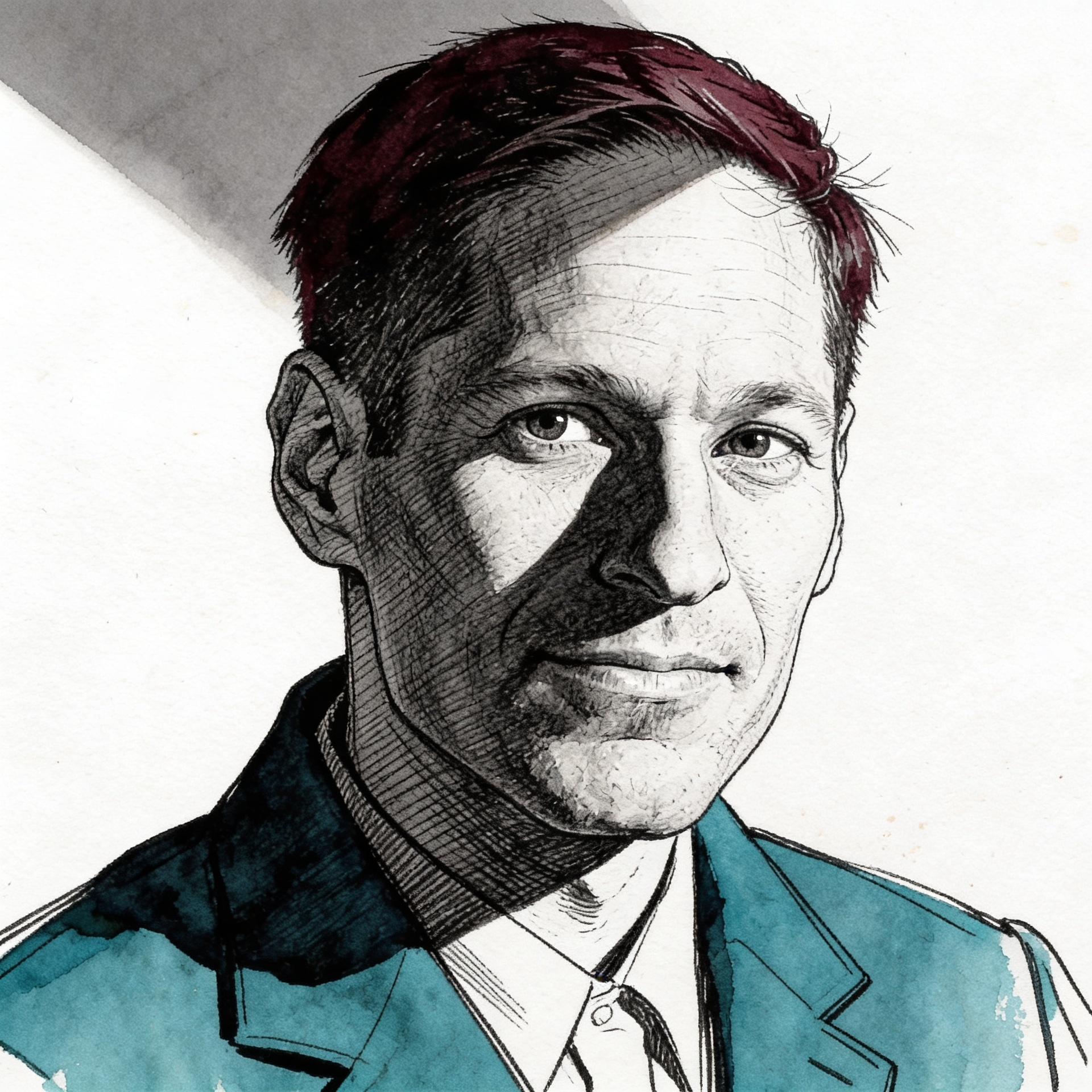
With the US renewing its Ebola ban after an importation it would not have stopped, is Frieden's critique now empirically proven?
Timeline for Tom Frieden
US renews 30-day Ebola entry ban
Pandemics and BiosecurityMentioned in: DRC isolates 46% of confirmed outbreak cases
Pandemics and BiosecurityMentioned in: US widens Ebola ban to green-card holders
Pandemics and BiosecurityMentioned in: MERS kills a third, two new Gulf cases
Pandemics and BiosecurityMentioned in: Ebola passes 1,000 cases in DRC
Pandemics and BiosecurityBackground
Dr Tom Frieden is an epidemiologist and President of Resolve to Save Lives. He served as Director of the US Centers for Disease Control and Prevention from 2009 to 2017, overseeing the US response to the 2014-16 West Africa Ebola epidemic and the Zika outbreak. He is the originator of the 7-1-7 metric: a structured benchmark requiring outbreaks to be detected within 7 days of the first case, reported to authorities within 1 day of detection, and responded to within 7 days of report. The 7-1-7 framework is used by WHO and partner governments to assess outbreak-response speed.
In the 2026 Bundibugyo Ebola outbreak, Frieden became a prominent critic of successive US entry bans on nationals of DRC, Uganda, and South Sudan. He argued publicly that travel bans discourage transparent outbreak reporting, drive cases underground, and have historically failed to prevent international spread while imposing economic harm on affected countries. His position gained empirical weight on 21 June 2026 when the CDC renewed a 30-day ban three days after a French humanitarian doctor departed DRC past functioning exit checks and arrived in France, a case the ban would not have stopped since French citizens were exempt. The outbreak crossed 1,094 confirmed cases and 277 deaths by 24 June 2026, the largest Bundibugyo event on record, with isolation sitting at roughly 35%, FAR below the 70% threshold Frieden's 7-1-7 framework implies is necessary. His critique carries institutional weight because he managed the politically charged 2014 Dallas Ebola case and resisted domestic pressure for similar restrictions at that time.