Skip to content
Briefings are running a touch slower this week while we rebuild the foundations.See roadmap
Iran Conflict 2026
16MAY

US Oil Sanctions Waiver Expires 11 April Amid Confusion

2 min read
12:41UTC

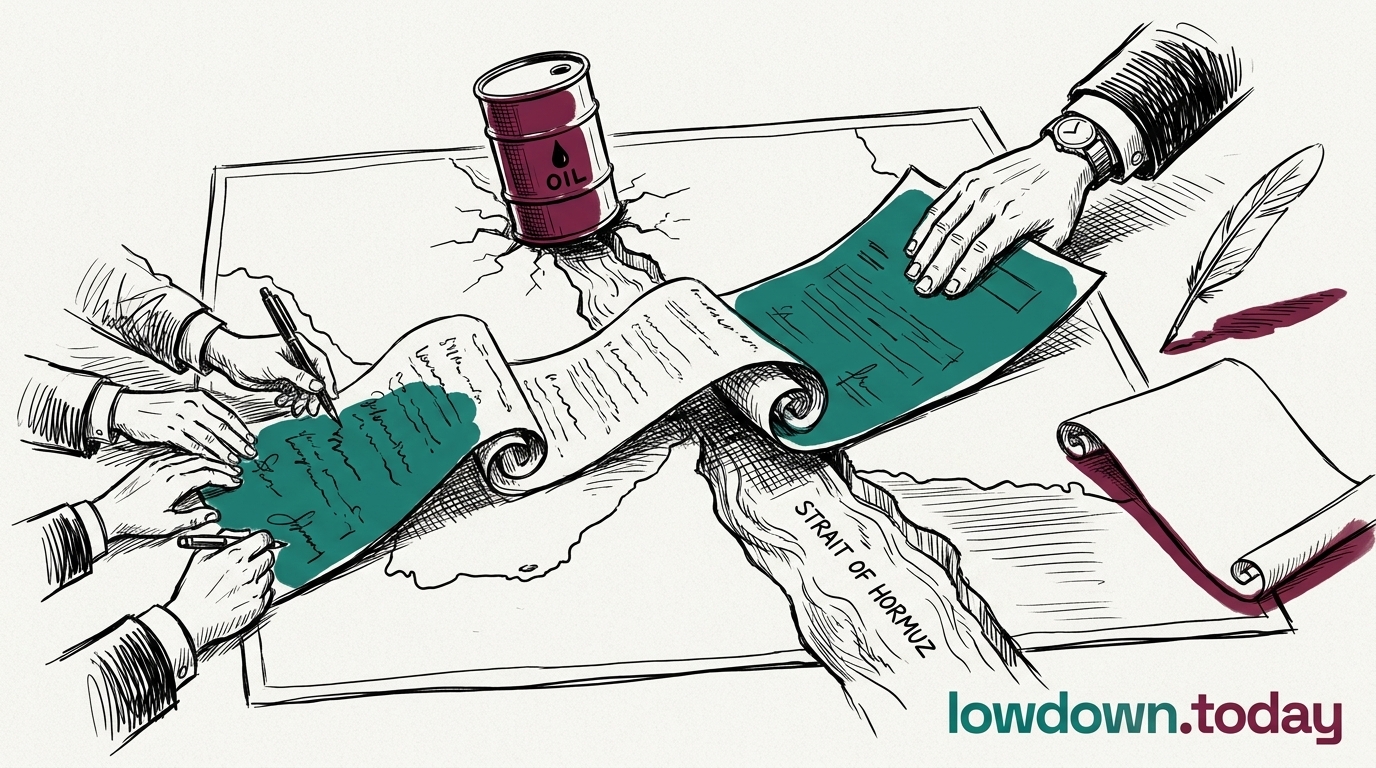
OFAC's GL 134A expires 11 April; at $121 per barrel, any extension would hand Russia far more revenue than when the waiver was issued at $73, while simultaneous vessel desanctioning created contradictory signals.

ConflictDeveloping
Key takeaway

GL 134A expiry on 11 April is the binary choice: extension at $121/barrel or lapse compounding Russia's crisis.

OFAC issued General License 134 on 12 March, covering the roughly 124 million barrels of Russian crude at sea , amended it to GL 134A on 19 March, and faces a binary decision on its 11 April expiry. At $73 per barrel when issued, the waiver was defensible as market stabilisation. At $121, the same licence authorises far greater per-barrel income than its design contemplated.

OFAC added Iran, North Korea, and Cuba exclusions to GL 134A one week after the original licence, a rapid amendment suggesting Treasury received evidence that cargoes were being redirected toward sanctioned parties. On 31 March, OFAC separately removed sanctions on three Russian cargo vessels: Fesco Magadan, Fesco Moneron, and SV Nikolay.

The contradictory pattern, tightening the licence's terms while reducing pressure on named Russian vessels, is consistent with an administration managing competing objectives across the Iran war and Ukraine simultaneously. The Atlantic Council warned that extension at current prices "risks sustaining Russia's war effort."

Deep Analysis

In plain English

The US government gave Russia a special oil sales exemption that expires on 11 April. When it was issued, oil prices were around $73 per barrel. Now that the Iran war has pushed prices to $121, extending the same exemption would hand Russia much more money than originally intended. At the same time, the US removed sanctions on three Russian ships while tightening the exemption's rules — sending confusing signals about American policy toward Russia.

What could happen next?
  • Risk

    GL 134A extension at $121/barrel would constitute the largest single US-authorised revenue transfer to Russia since sanctions began.

First Reported In

Update #11 · Russia Sells Less Oil but Earns More

Mayer Brown· 5 Apr 2026
Read original
Causes and effects
This Event
US Oil Sanctions Waiver Expires 11 April Amid Confusion
The GL 134A expiry is a binary US policy signal: extension at $121 per barrel directly subsidises Moscow's war revenue; lapse combined with Baltic terminal damage would compound Russia's export crisis.
Different Perspectives
India (BRICS meeting host, grey-market beneficiary)
New Delhi hosted the BRICS foreign ministers' meeting on 14 May that Araghchi attended under the Minab168 designation, giving India a front-row seat to Iran's diplomatic positioning. India's state refiners have been absorbing discounted Iranian crude through grey-market routing since April; Brent at $109.30 means every barrel sourced outside the formal market generates a structural saving.
Hengaw / Kurdish human rights monitors
Hengaw's daily reports from Iran's Kurdish provinces remain the sole independent cross-check on Iran's judicial activity during the conflict. Two executions across Qom and Karaj Central prisons on 15 May and five Kurdish detentions on 15-16 May indicate the wartime judicial pipeline is operating independently of military tempo.
Pakistan (mediator and bilateral partner)
Islamabad spent its diplomatic capital as the US-Iran MOU carrier to secure LNG passage for two Qatari vessels through a bilateral Pakistan-Iran agreement, spending its mediation credit for direct economic gain. China's public endorsement of Pakistan's mediatory role on 13 May is the structural reward.
China and BRICS bloc
Beijing endorsed Pakistan's mediatory role on 13 May, one day after the BRICS foreign ministers' meeting in New Delhi. Chinese state banks are processing PGSA yuan toll payments; China has not commented on its vessels' continued Hormuz passage, but benefits structurally from a non-dollar toll system it did not design.
Iraq (bilateral passage partner)
Baghdad negotiated a 2-million-barrel VLCC transit without paying PGSA yuan tolls, offering political alignment in lieu of cash. Iraq's position inside Iran's adjacent bloc makes it the natural first bilateral partner and a template for how Tehran structures passage deals with states that cannot afford Western coalition membership.
Bahrain and Qatar (Gulf signatories)
Both signed the Western coalition paper while hosting US Fifth Fleet and CENTCOM's Al Udeid base, respectively. Qatar occupies the sharpest contradiction: it is on coalition paper while simultaneously receiving LNG passage through the bilateral Iran-Pakistan track, a position Doha has tacitly accepted from both sides.