NBC News reported on 8 May that the US average regular gasoline price reached $4.54 a gallon in early May, up from sub-$3 before the war began on 28 February: a 47% rise that adds roughly $24 per fill-up against the pre-war baseline 1. North American jet fuel has risen 95% over the same period. USPS, Amazon and FedEx have all imposed fuel surcharges since the United Arab Emirates quit OPEC+ on 1 May, removing five million barrels per day of quota discipline from the producer cartel.
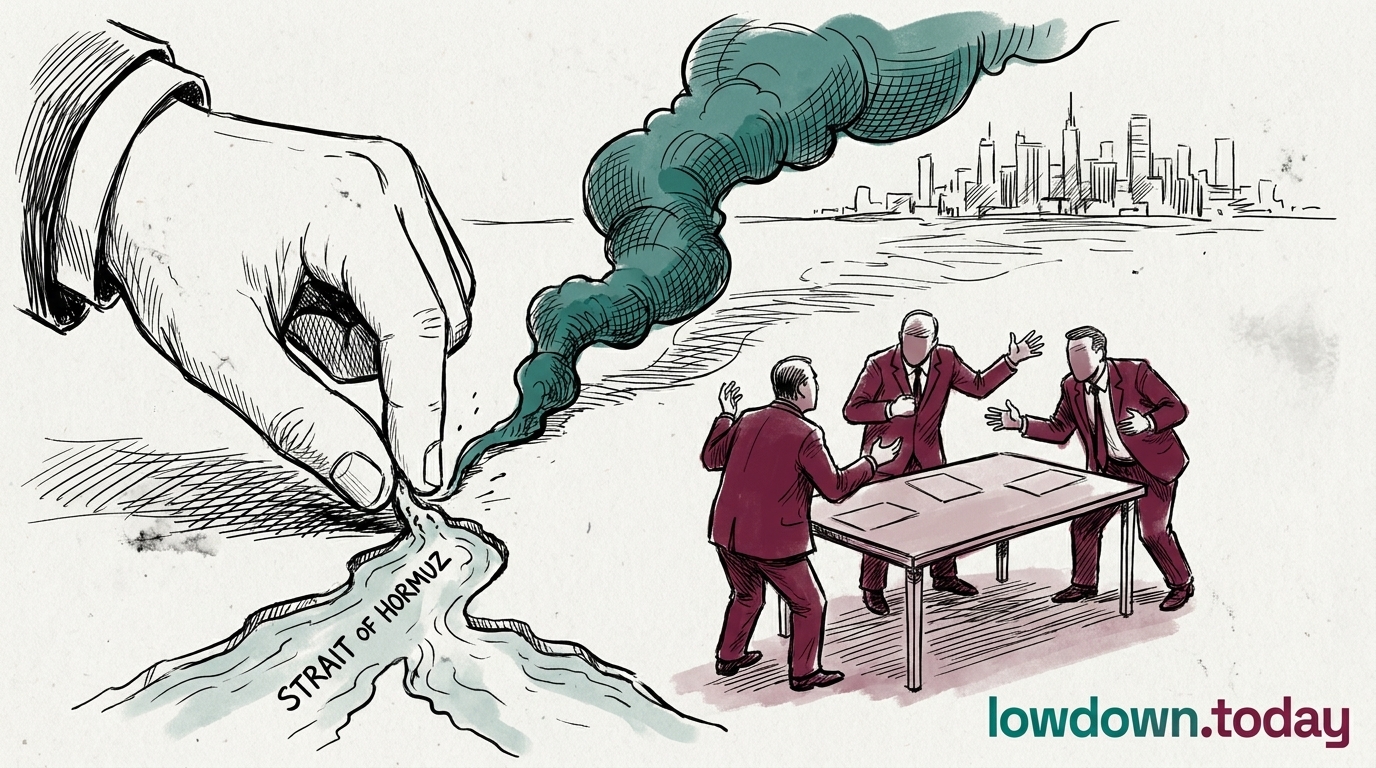
Axios reported on 7 May that analysts no longer expect prices to retrace to pre-war levels even if the MoU is signed. A structural premium is now priced in because Iran demonstrated, via the Persian Gulf Strait Authority and the IRGC's mining declarations earlier in the campaign, that it can halt Strait of Hormuz traffic at will. The premium reflects the view of marine insurance underwriters about the risk, not the physical flow on any given day. P&I clubs cannot reprice the strait without a verifier-backed enrichment baseline, which the MOU does not currently provide.
The market moved hard on the MOU report itself. Brent Crude swung 11% intraday on 8 May, falling from $101.20 at the 7 May close to roughly $96 before Trump's "too soon" comment recovered it to a $101.27 settlement 2. WTI fell 15% intraday to $88 a barrel before recovering to $95.08. The peace dividend is currently worth between thirteen and fifteen per cent of the Brent price; the disappointment is worth roughly the same. A signature would crystallise the discount; the absence of one keeps the gap floating.
The 1973-74 oil-shock parallel is closer than the 1990 one. Both 1973 and 2026 paired supply disruption with structural-credibility loss in the producer-consumer relationship; in 1990 the disruption was discrete and confidence in Saudi reserve capacity was intact. The 1973-74 premium took eighteen months to unwind even after Saudi production normalised. Axios's 7 May analyst panel reached the same conclusion for 2026. Logistics surcharges from USPS, Amazon and FedEx will feed the next CPI print with a six-to-eight-week lag, the first to capture the full surcharge rollout.





