Amazon
American technology and e-commerce giant operating the world's largest online marketplace and leading cloud platform, AWS.
On 10 July, a federal judge allowed a private-nuisance case over Amazon’s Louisa County data-centre site to proceed, keeping construction practices and local effects under scrutiny.
Last refreshed: 24 September 2026 · Appears in 5 active topics
When the company that employs 1.5 million builds the tools to replace them, who counts the losses?
Timeline for Amazon
Mentioned in: Civo announces first UK edge data centre at Navigate London
European Tech SovereigntyMentioned in: Spain drafts hourly renewables test for data centres
Data Centres: Boom and BacklashMentioned in: Cape Town approves five, names none
Data Centres: Boom and BacklashMentioned in: Beacon says charity CRM database likely exported
Cybersecurity: Threats and DefencesMentioned in: NVIDIA lines up $500bn for buyers
Data Centres: Boom and BacklashBackground
Amazon operates an online marketplace and Amazon Web Services, its cloud-computing division. Founded by Jeff Bezos in 1994 and headquartered in Seattle, the company sells to consumers while providing computing infrastructure to businesses and public bodies.
AWS gives Amazon a role in the systems used by other organisations, from publishers to media companies. Reach disclosed its licensing agreement with AWS on 1 April, and Warner Bros. Discovery announced an AWS advertising-platform rebuild on 18 June.
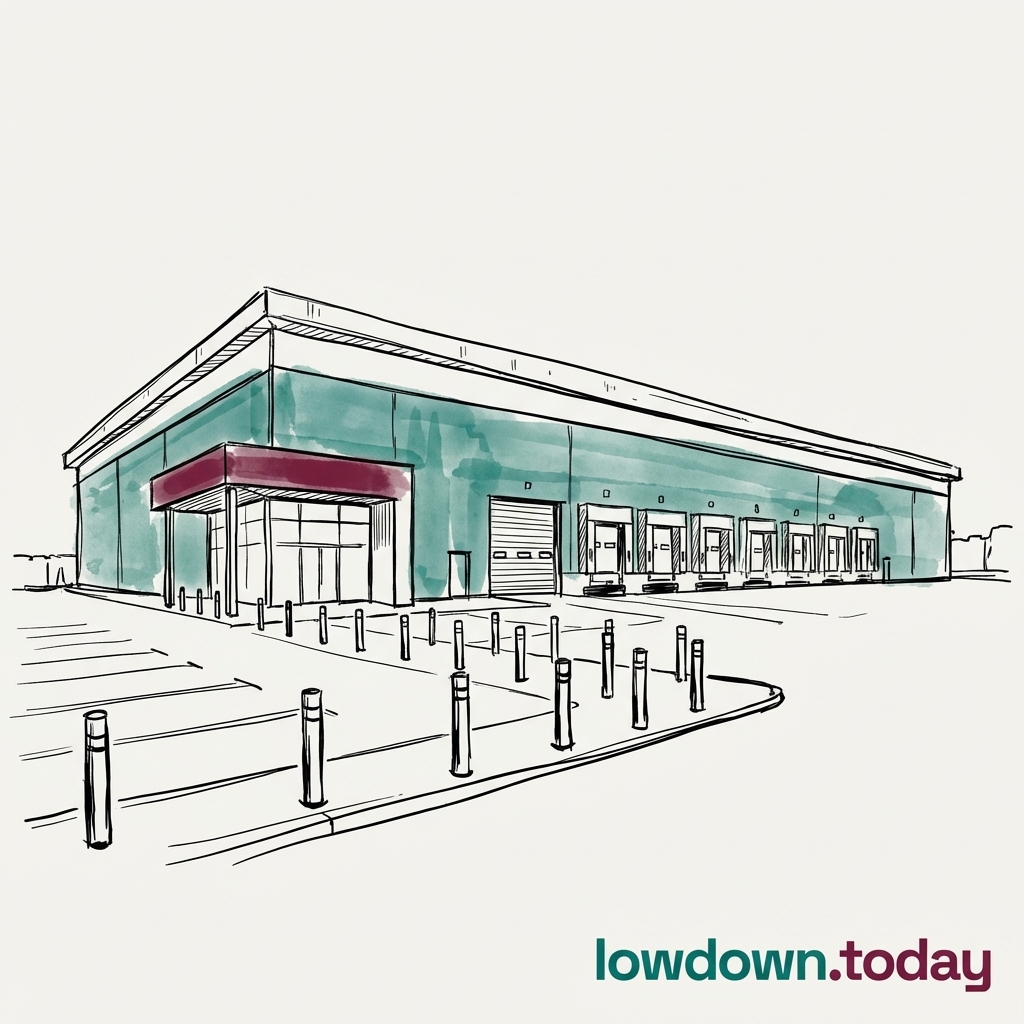
Cloud growth also depends on data-centre sites, energy and water. Amazon’s Louisa County campus brought those physical constraints into view through its discharge application and subsequent litigation.
Amazon faces water claims
On 1 June, Amazon asked Virginia’s environmental regulator to permit daily cooling-water discharge from its Louisa County campus into Sedges Creek, which feeds Lake Anna. The application tied expansion of Amazon’s cloud estate to a local waterway and a regulatory decision over discharge conditions.
On 10 July, a federal judge allowed a private-nuisance claim concerning the site to proceed while dismissing a request for injunctive relief. Amazon could continue operating the campus, but the case kept alleged construction effects before the Court.
AWS buys publisher access
On 1 April, Reach disclosed a pay-per-usage licensing agreement with Amazon Web Services for its journalism. The arrangement placed Amazon’s cloud division in a commercial relationship with a publisher over use of its archive.
On 18 June, Warner Bros. Discovery said it would rebuild its US advertising operation on AWS systems. That customer deployment gave AWS a role in media planning, forecasting, campaign optimisation and measurement while it also held content-licensing relationships with publishers.
Amazon cuts AGI roles
On 22 July, Amazon cut roles in its Artificial General Intelligence unit’s model-customisation and POST-training teams without disclosing the number affected. The reductions came as the unit shifted from frontier research towards enterprise deployment.
Amazon’s filing for the quarter ended 30 June disclosed $137.2bn in data-centre leases signed but not yet opened. The combination put workforce changes inside a unit developing AI services alongside large commitments to the physical capacity that supports them.
Reference
How many people does Amazon employ?
Why is Amazon's data-centre cooling water discharge a problem for Lake Anna?
Does Amazon have AI licensing deals with newspapers?
What happened to Amazon Web Services in the Iran conflict?
What is the DMA cloud probe against Amazon AWS?
Is Amazon or Microsoft winning the cloud AI race?
Is Amazon cutting jobs because of AI?


