Skip to content
You can now search across every topic, entity and event.What's new
Iran Conflict 2026
13APR

Reuters reports extension talks; Leavitt denies

3 min read
11:20UTC

Reuters cited senior Iranian sources on 18 April saying Washington and Tehran were close to a 60-day ceasefire extension; White House press secretary Karoline Leavitt said the US had not formally requested one.

ConflictDeveloping
Key takeaway

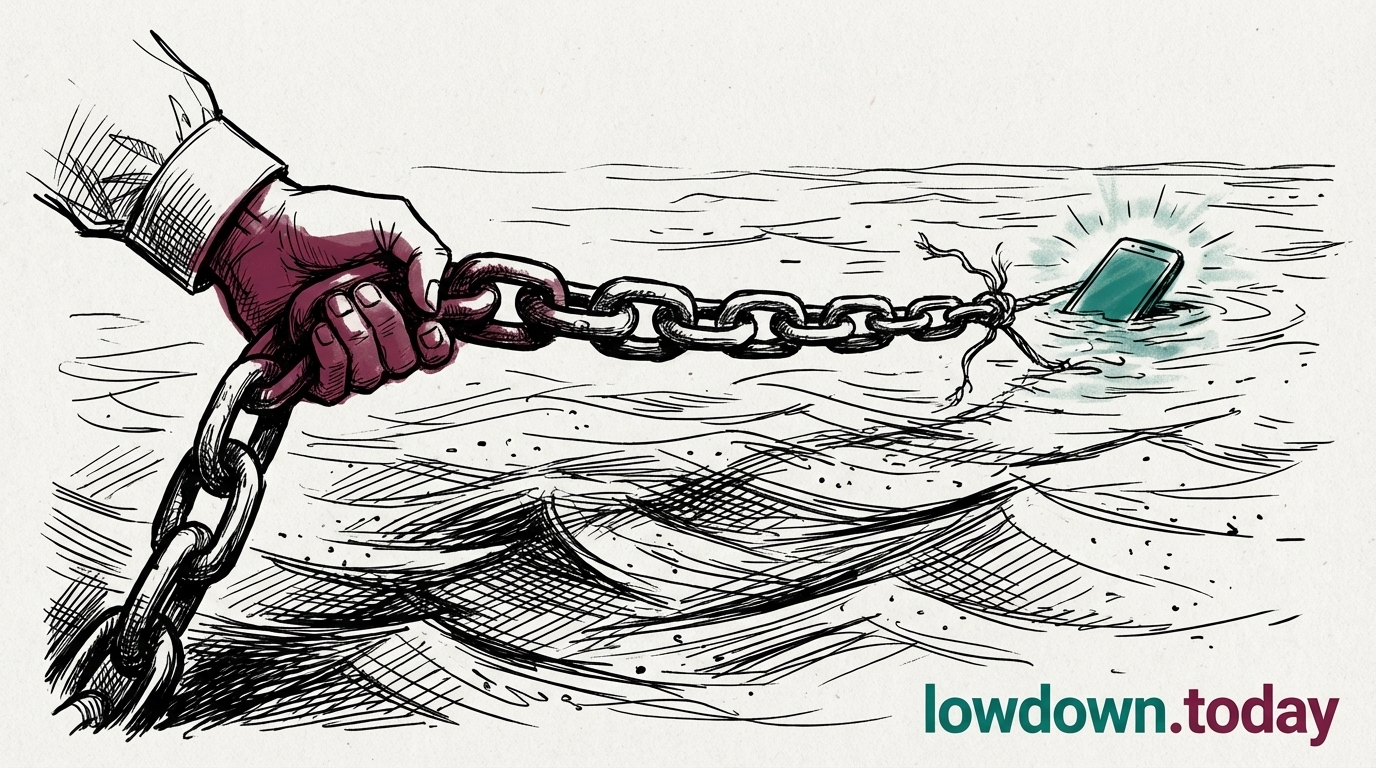
The 60-day ceasefire extension exists in Reuters reporting but not in any signed Iranian or US document.

Reuters reported on 18 April, citing senior Iranian sources, that Washington and Tehran were close to a 60-day Ceasefire extension 1. White House press secretary Karoline Leavitt told reporters the US had not formally requested an extension, and a senior US official told CBS News "there are no new terms for an extension yet agreed" 2. The current Iran Ceasefire expires on 22 April.

The Reuters framing ran into two denials inside 24 hours. Leavitt had already denied a formal US extension request on 17 April . Tasnim News Agency then labelled the Reuters report US psychological warfare. An extension that exists in a wire report, but not in a signed US request and not in an Iranian acknowledgement, is an extension only in the grammatical sense.

The absence of signed paper here fits a broader convergence. Four unsigned deadlines now sit inside 10 days: GL-U (already lapsed), the Iran Ceasefire (22 April), the Lebanon truce (around 26 April) and the War Powers Resolution 60-day clock (29 April) . None of the four has a signed text in hand. The 60-day Ceasefire extension is the third of those deadlines, and Saturday's reporting extends the pattern in which Iran-adjacent outcomes are announced on wires and social media rather than committed to paper.

Deep Analysis

In plain English

Reuters, one of the world's major wire news agencies, reported on 18 April that the United States and Iran were close to agreeing a 60-day extension of their ceasefire. The ceasefire is currently set to expire on 22 April. Within hours, White House press secretary Karoline Leavitt said the US had not 'formally requested' an extension. A senior US official separately told CBS News no new terms had been agreed. This kind of contradiction between news reports and official denials is common in diplomacy ; governments often allow unofficial channels to test ideas before committing publicly. But it creates real uncertainty: if no extension is formally agreed before 22 April, both sides could technically return to full hostilities without either having explicitly chosen to do so.

What could happen next?
  • Risk

    With the ceasefire expiring on 22 April and no signed extension, Hormuz IRGC operations, US blockade enforcement, and GL-U's lapsed legal cover converge into a potential triple escalation point over a 72-hour window.

  • Consequence

    Leavitt's denial that a formal request was made means the US retains the legal and diplomatic position that the original ceasefire terms remain operative ; giving Washington flexibility to blame Iran if hostilities resume on 22 April.

First Reported In

Update #73 · Russia yes, Iran no: Treasury signs only one waiver

The White House· 19 Apr 2026
Read original
Different Perspectives
Oil market and P&I insurers
Brent cleared $87 intraday only once CENTCOM's blockade became physical rather than declared, even though P&I Clubs had already excluded Hormuz war risk a week earlier on 7 July: capital hedged ahead of enforcement, but prices moved only after it.
UAE reporting
UAE reporting
UAE reporting placed the Omani tanker deaths at one seafarer against the International Maritime Agency's count of two, the first time in this war that a Gulf state's casualty figures have diverged from an international monitor's.
Jordan
Jordan
Iranian strikes reached Jordan again on 14 July as part of the Gulf-wide retaliation for the Hormuz blockade, extending the conflict's geographic footprint to a state with no direct stake in the strait itself.
Bahrain
Bahrain
Bahrain sounded air-raid sirens on 14 July during Iran's Gulf-wide retaliation, the same day CENTCOM's blockade order and fourth night of strikes pushed the conflict's physical reach into the wider Gulf littoral.
Kuwait
Kuwait
Kuwait intercepted Iranian missiles and drones on 14 July as Tehran's blockade retaliation reached Gulf states beyond Iran's immediate shoreline, confirming Kuwaiti airspace now sits inside Iran's retaliatory envelope.
Oman
Oman
Oman absorbed the war's first tanker casualties in its own waters on 14 July, with two supertankers disabled and seafarers killed, putting the sultanate's shipping lanes directly in the path of the blockade fight for the first time.