Skip to content
You can now search across every topic, entity and event.What's new
Iran Conflict 2026
6APR

US Oil Sanctions Waiver Expires 11 April Amid Confusion

2 min read
09:43UTC

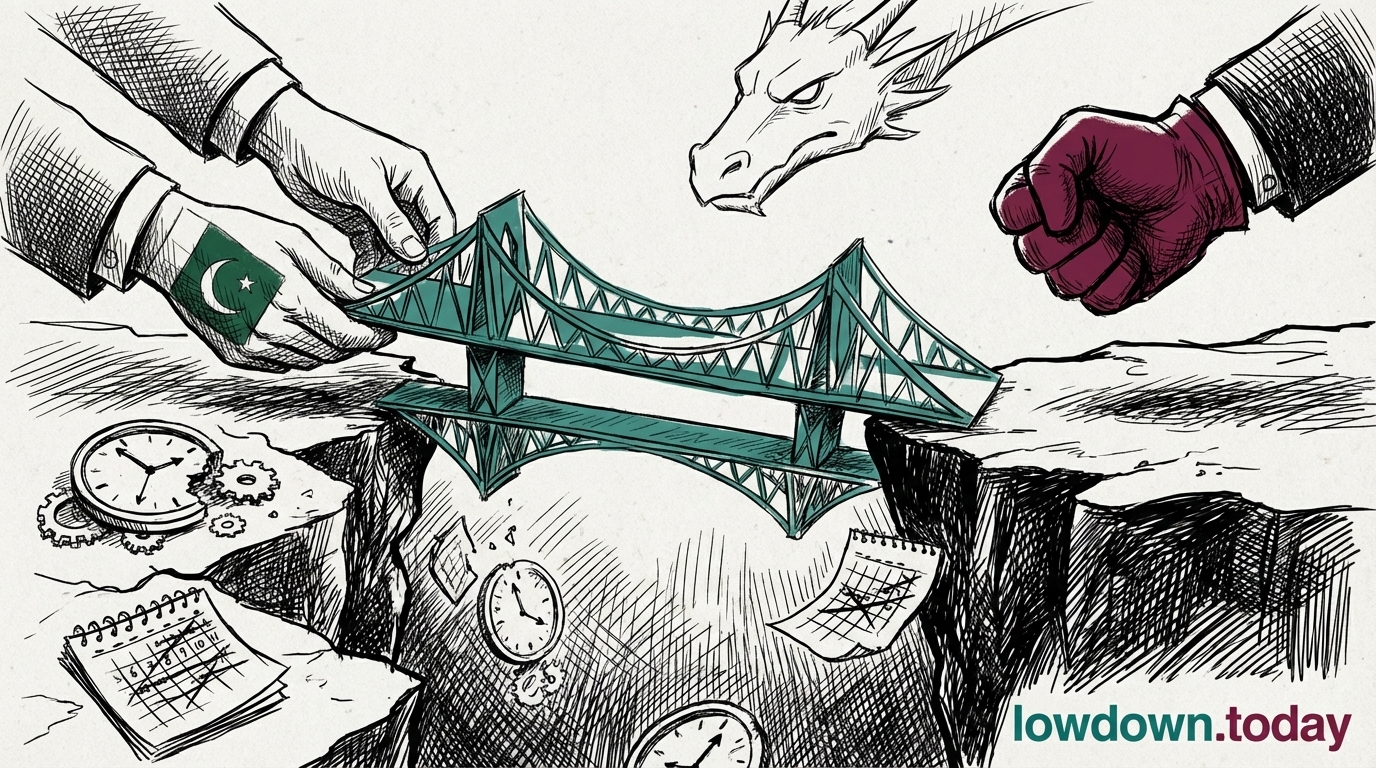
OFAC's GL 134A expires 11 April; at $121 per barrel, any extension would hand Russia far more revenue than when the waiver was issued at $73, while simultaneous vessel desanctioning created contradictory signals.

ConflictDeveloping
Key takeaway

GL 134A expiry on 11 April is the binary choice: extension at $121/barrel or lapse compounding Russia's crisis.

OFAC issued General License 134 on 12 March, covering the roughly 124 million barrels of Russian crude at sea , amended it to GL 134A on 19 March, and faces a binary decision on its 11 April expiry. At $73 per barrel when issued, the waiver was defensible as market stabilisation. At $121, the same licence authorises far greater per-barrel income than its design contemplated.

OFAC added Iran, North Korea, and Cuba exclusions to GL 134A one week after the original licence, a rapid amendment suggesting Treasury received evidence that cargoes were being redirected toward sanctioned parties. On 31 March, OFAC separately removed sanctions on three Russian cargo vessels: Fesco Magadan, Fesco Moneron, and SV Nikolay.

The contradictory pattern, tightening the licence's terms while reducing pressure on named Russian vessels, is consistent with an administration managing competing objectives across the Iran war and Ukraine simultaneously. The Atlantic Council warned that extension at current prices "risks sustaining Russia's war effort."


Deep Analysis

In plain English

The US government gave Russia a special oil sales exemption that expires on 11 April. When it was issued, oil prices were around $73 per barrel. Now that the Iran war has pushed prices to $121, extending the same exemption would hand Russia much more money than originally intended. At the same time, the US removed sanctions on three Russian ships while tightening the exemption's rules — sending confusing signals about American policy toward Russia.

What could happen next?
  • Risk

    GL 134A extension at $121/barrel would constitute the largest single US-authorised revenue transfer to Russia since sanctions began.

First Reported In

Update #11 · Russia Sells Less Oil but Earns More

Mayer Brown· 5 Apr 2026
Read original
Causes and effects
This Event
US Oil Sanctions Waiver Expires 11 April Amid Confusion
The GL 134A expiry is a binary US policy signal: extension at $121 per barrel directly subsidises Moscow's war revenue; lapse combined with Baltic terminal damage would compound Russia's export crisis.
Different Perspectives
Oil traders
Oil traders
Sent Brent down 2.29 per cent to $98.38 a barrel on reports that mediation was reviving, moving the price on CENTCOM's quiet night rather than on Trump's same-day promise of a bigger operation with no deadline attached.
Iran
Iran
An Iranian official called the same mediation account completely misleading, denying it received any US proposal via Baghdad on the same day Iraq denied delivering one, leaving neither denial able to settle what actually passed between the two capitals.
Iraq
Iraq
Called groundless the New York Times account that its prime minister carried a US ceasefire proposal to Tehran, a denial that also protects Baghdad's effort to avoid becoming a party to a war fought by aircraft it does not control.
OHCHR
OHCHR
Recorded 17 civilian seafarer deaths since the war began, a population neither the Pentagon nor Iran's Health Ministry counts in its own tally, and called for urgent action on 6,000 crew stranded across roughly 400 vessels in the Strait of Hormuz.
Houthis
Houthis
Enforced the blockade on Saudi-linked shipping it declared on 20 July by hitting the NCC Masa and then an Aramco facility at Jazan, moving from radio warnings to strikes on land after four days without a confirmed hit.
Saudi Arabia
Saudi Arabia
Struck Houthi military sites near Hodeidah the same day the NCC Masa was hit, while its coalition spokesman insisted Hodeidah, Ras Issa and Salif all remain open to navigation. The distinction protects the ports Yemen's population depends on for food and fuel even while punishing the group behind the tanker strike.



