Skip to content
Briefings are running a touch slower this week while we rebuild the foundations.See roadmap
Iran Conflict 2026
31MAR

Trump Replaces Own Deadline With Fourth Ultimatum

2 min read
08:23UTC

The 6 April power-grid threat has been displaced by a 48-hour Hormuz demand expiring Monday. It is the fourth reformulation in six weeks.

ConflictAssessed
Key takeaway

Four deadlines in six weeks with zero enforcement has exhausted the threat's credibility.

Donald Trump issued a new 48-hour Hormuz ultimatum via Truth Social on 4 April, superseding his own 6 April power-grid deadline : "Time is running out, 48 hours before all Hell will reign down on them." The new expiry is Monday 7 April. 1

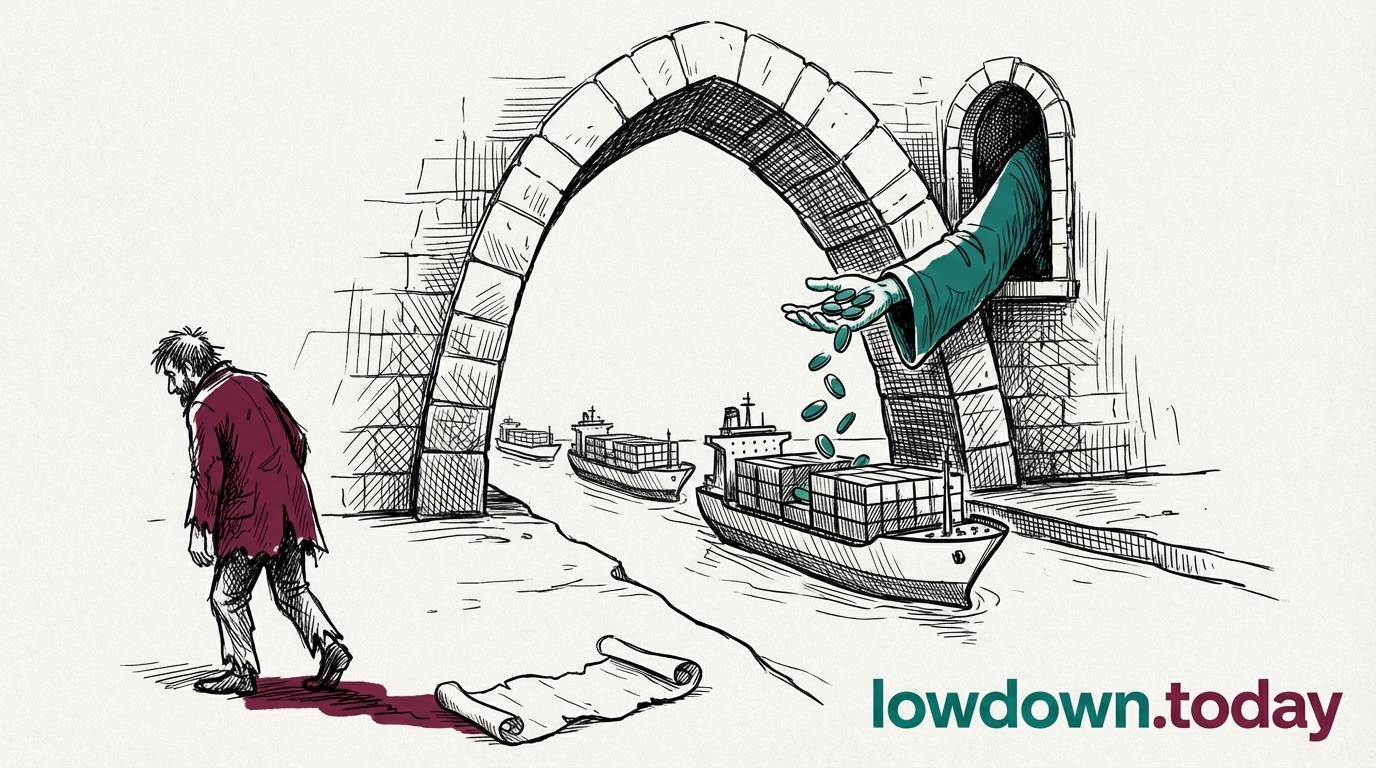
The threat changed shape again. The March deadline targeted 15 identified power grid nodes. The April formulation threatens power plants, oil facilities, and "possibly all desalination plants." The 16 March deadline was extended to 23 March. The 23 March deadline was extended to 6 April. The 6 April deadline was displaced, not extended, by an entirely new ultimatum issued 24 hours before its expiry. Four coercive ultimatums in 42 days, none acted upon.

Ceasefire talks are at a "dead end" per the Wall Street Journal on 3 April. 2 Iran refused to meet US officials in Islamabad. Iran's conditions (reparations, US base withdrawal, guarantees against future attacks) and Washington's single demand (reopen Hormuz) share no overlap. General Aliabadi dismissed Trump as "helpless, nervous, unbalanced and stupid." The deadline mechanism no longer functions as coercive leverage. It functions as domestic political communication.

Deep Analysis

In plain English

In the past six weeks, the US president has set four separate deadlines for Iran to reopen a critical shipping lane, each time threatening to attack Iranian infrastructure if the deadline was not met. None of the four deadlines has been enforced. This is a problem for whoever issues the next threat. In diplomacy, a threat only works if the other side believes you will actually do it. Four unanswered threats suggest you might not, which makes the fifth threat easier to ignore.

What could happen next?
  • Consequence

    The credibility of US coercive diplomacy toward Iran has been materially degraded by four unenforced ultimatums. Restoring it requires either enforcement or a fundamentally different coercive instrument.

First Reported In

Update #59 · Day 37: A Ground War Inside Iran That Nobody Will Name

Jerusalem Post· 5 Apr 2026
Read original
Different Perspectives
Markets
Markets
Brent crude rose 2.2 per cent to $96.34 on 10 June, reversing a 7 per cent weekly decline built on deal optimism, as the overnight exchange repriced the Strait of Hormuz risk premium in a single session. The move reflects transit-risk repricing rather than supply shock: Iran's exports had already collapsed to below 300,000 barrels per day.
Pakistan
Pakistan
Pakistan's Naqvi channel, the only mediation track carrying both civilian and military buy-in, was stress-tested by live ordnance within 48 hours of the 6-7 June Tehran visit. Whether Washington informed Islamabad of the imminent strike plan while Naqvi was in Tehran remains undisclosed, putting the channel's neutrality under scrutiny.
Kuwait
Kuwait
Kuwait hosted the third Iranian strike on its soil since the 3 June airport drone attack, with Ali Al Salem airbase targeted in the three-country salvo. Its recent $1.98 billion Anduril Anvil counter-drone purchase signals it is rearming rather than reconsidering its hosting posture.
Bahrain
Bahrain
Bahrain absorbed the IRGC barrage via PAC-3 intercepts with its magazine already at 87 per cent depletion and no resupply before 2027. Sounding air-raid sirens over Manama, it faced the intercept burden with the thinnest defensive stack in the Gulf coalition.
Jordan
Jordan
Jordan reported all five incoming missiles intercepted with no injuries and no damage, a clean defensive performance that strengthens Amman's case for staying in the Western coalition without escalating its own posture. It now sits on Iran's target list for the first time despite not being a party to the Abraham Accords confrontation.
Iran / IRGC
Iran / IRGC
Foreign Minister Araghchi posted on X that US forces should 'leave our region if you want to be safe' and framed the exchange as a US defeat, while the IRGC claimed 21 targets hit and an F-35 hangar destroyed. The claims serve a domestic and Arab-audience framing rather than a verified battle-damage assessment.