Skip to content
You can now search across every topic, entity and event.What's new
Iran Conflict 2026
31MAR

140 US sorties, zero signed paper

3 min read
08:23UTC

CENTCOM flew its third strike wave in a week, hitting roughly 140 targets and taking the total past 300, then declared the Strait of Hormuz open even as Washington signed no new Iran instrument.

ConflictDeveloping
Key takeaway

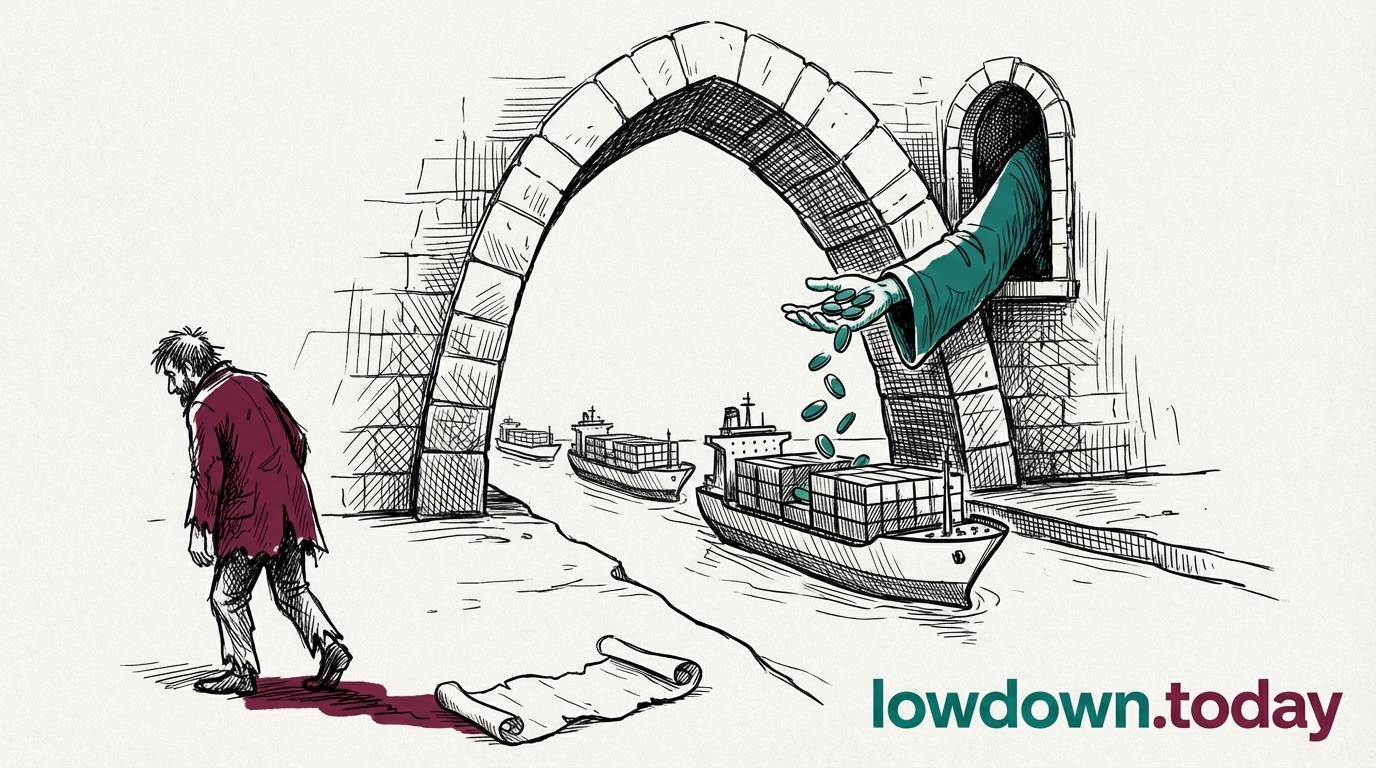
Washington's Iran week ran to 140 sorties and zero signatures, its open-strait claim resting on statements.

CENTCOM (US Central Command), the US military command responsible for the Middle East, launched its third strike wave of the week within hours of Iran's closure declaration, hitting roughly 140 targets: missile batteries, air-defence sites, IRGC fast-attack boats and positions on Qeshm Island 1. The wave took the week's running total past 300, and CENTCOM called the strait open to all vessels seeking to lawfully transit the international waterway 2. Iranian Navy Lieutenant Hamidreza Dehghani was reported killed at Jask port, per Iranian state media 3.

Those figures and the open-strait line reached us through Al Jazeera and Iran International secondary readouts; CENTCOM's own release was unreachable 4. President Donald Trump, who days earlier had called the interim US-Iran agreement over , told Meet the Press the strait was open as far as he was concerned. Iran, firing missiles and posting a formal notice, calls the water shut; Washington, flying sorties and issuing a sentence, calls it open.

CENTCOM's third wave extends a cadence already run twice this week, 90 targets on 8 July and more than 80 on 7 July . The only signed US instrument on Iran across that whole sequence remains the Treasury's 7 July revocation of the oil waiver General License X, replaced by a wind-down-only General License X1 . A revocation withdraws relief; it does not create a new authority, so no War Powers Resolution clock attaches to this week's strikes and Congress gains no fresh signed record to grip.

Between 11 and 13 July Washington flew about 140 sorties and signed no new Iran instrument 5. The Federal Register carries no fresh Iran document, the Office of Foreign Assets Control (OFAC), Treasury's sanctions bureau, logged its last Iran action on 10 July, and The White House presidential-actions register stops at a 9 July aircraft-tariff proclamation 678. Allies and insurers reading for a durable US position on Hormuz have statements to plan against, not a signed framework.

Deep Analysis

In plain English

CENTCOM (US Central Command, the American military headquarters for the Middle East) launched its third major bombing run of the week, hitting about 140 targets just hours after Iran said it had shut the Strait of Hormuz, the narrow waterway ships use to move Gulf oil to the rest of the world. The targets included missile launchers and small attack boats belonging to the IRGC (Islamic Revolutionary Guard Corps, an elite branch of Iran's military). One Iranian naval officer, Lieutenant Hamidreza Dehghani, was reported killed in Jask, a town on Iran's south-east coast near the mouth of the strait. The US military says the strait remains open for ships that follow international law, directly contradicting Iran's closure claim. For now neither side can prove the other wrong, because commercial ships are staying away regardless of who is technically right.

Deep Analysis
Root Causes

Sustaining three strike waves in a single week depends on munitions already forward-positioned at Gulf and Indian Ocean bases such as Al Udeid and Diego Garcia; standoff missile stocks are not manufactured at wartime tempo, so a campaign at this pace draws down a finite pre-positioned inventory rather than an open production line.

Congress supplies a second, separate constraint only if it chooses to invoke one: because the campaign has proceeded without a formal war authorisation, there is no legislative mechanism forcing a pause, so the practical ceiling on strike tempo is munitions supply, not Congress.

First Reported In

Update #153 · Iran declares Hormuz closed; US says open

Gulf News· 13 Jul 2026
Read original
Different Perspectives
Oil traders
Oil traders
Sent Brent down 2.29 per cent to $98.38 a barrel on reports that mediation was reviving, moving the price on CENTCOM's quiet night rather than on Trump's same-day promise of a bigger operation with no deadline attached.
Iran
Iran
An Iranian official called the same mediation account completely misleading, denying it received any US proposal via Baghdad on the same day Iraq denied delivering one, leaving neither denial able to settle what actually passed between the two capitals.
Iraq
Iraq
Called groundless the New York Times account that its prime minister carried a US ceasefire proposal to Tehran, a denial that also protects Baghdad's effort to avoid becoming a party to a war fought by aircraft it does not control.
OHCHR
OHCHR
Recorded 17 civilian seafarer deaths since the war began, a population neither the Pentagon nor Iran's Health Ministry counts in its own tally, and called for urgent action on 6,000 crew stranded across roughly 400 vessels in the Strait of Hormuz.
Houthis
Houthis
Enforced the blockade on Saudi-linked shipping it declared on 20 July by hitting the NCC Masa and then an Aramco facility at Jazan, moving from radio warnings to strikes on land after four days without a confirmed hit.
Saudi Arabia
Saudi Arabia
Struck Houthi military sites near Hodeidah the same day the NCC Masa was hit, while its coalition spokesman insisted Hodeidah, Ras Issa and Salif all remain open to navigation. The distinction protects the ports Yemen's population depends on for food and fuel even while punishing the group behind the tanker strike.