Skip to content
You can now search across every topic, entity and event.What's new
Iran Conflict 2026
28MAR

Tangsiri killed in 3am Bandar Abbas raid

2 min read
17:06UTC
ConflictDeveloping

Israel killed IRGC Navy Commander Admiral Alireza Tangsiri, intelligence chief Behnam Rezaei, and multiple senior naval aides in a 3am airstrike on Bandar Abbas on 26 March 2026, according to Israeli and US officials. 1 CENTCOM confirmed the death and described it as a step that 'makes the region safer.' 2

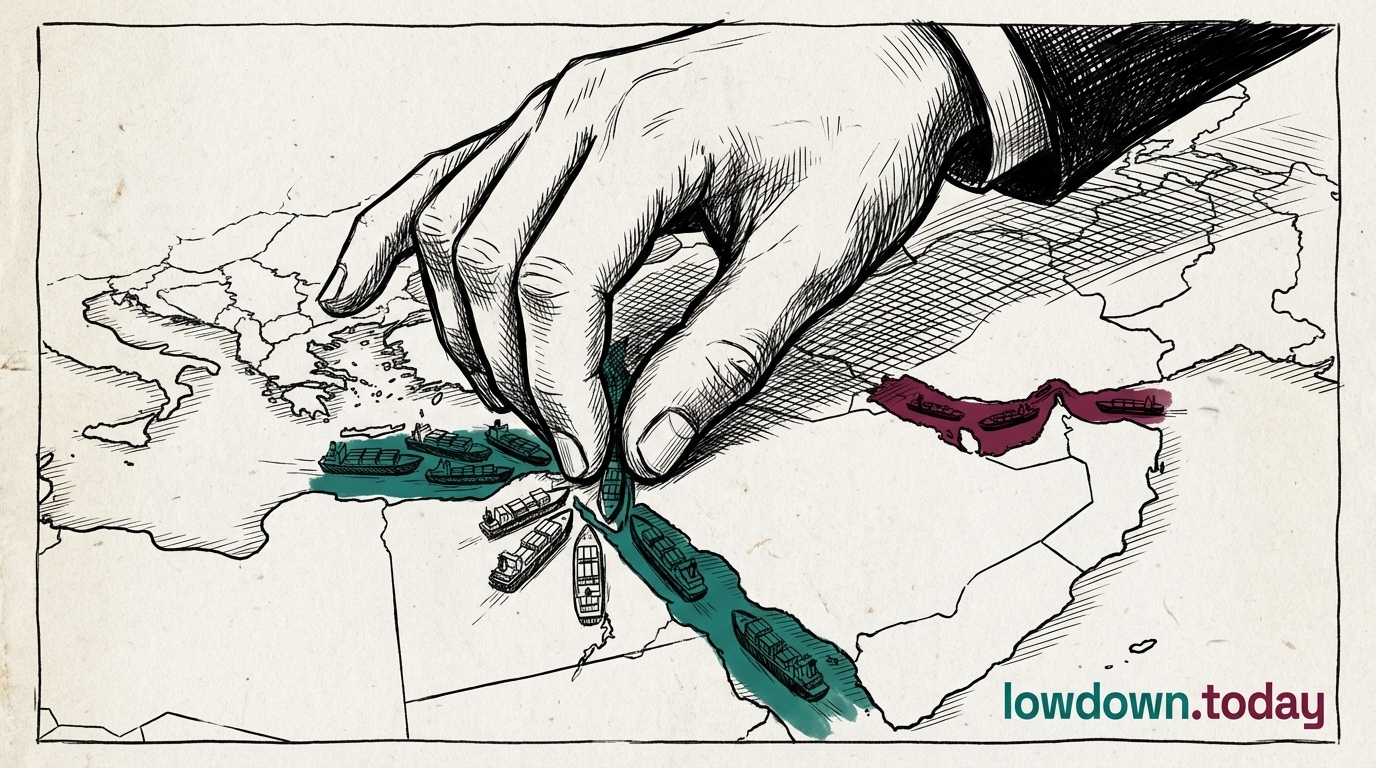
Tangsiri had commanded the IRGC Navy since August 2018 and personally directed both the Hormuz mining operations and the toll system that 26 vessels have now transited . His death comes as Israel has now killed or driven underground virtually the entire IRGC senior command structure. Israel's campaign struck Tehran, Isfahan, Karaj, Ahvaz, and Bandar Abbas in coordinated operations , and has destroyed 92% of Iran's largest naval vessels per CENTCOM figures .

Bandar Abbas is Iran's largest southern port and the IRGC Navy's operational headquarters at Hormuz. Striking the commander there, rather than in Tehran where senior officials have dispersed to bunkers, suggests Israel maintained specific intelligence on Tangsiri's location.

Pakistan had confirmed indirect US-Iran talks and the protection of senior Iranian officials from the joint targeting list on the same day . Israel killed the IRGC naval commander while the US was simultaneously relaying ceasefire terms through Islamabad. The man managing the Hormuz blockade was expendable. The men who might negotiate its end were not. This is triage, not contradiction: but it creates a structural problem for diplomacy that Iran will press.

Deep Analysis

In plain English

Israel killed the Iranian admiral who built the system blocking oil tankers from passing through the Strait of Hormuz. He had commanded Iran's naval force since 2018 and personally designed the checkpoint system now used to vet which ships can pass. His death came on the same day that Pakistan confirmed peace talks were underway, which created an odd picture: the US was relaying ceasefire terms to Iran while its ally was killing Iranian commanders. Israel's position appears to be that killing military commanders is separate from diplomatic negotiations, but Iran is unlikely to see it that way.

Deep Analysis
Root Causes

Decapitation tactics have contested strategic utility against institutionalised organisations. The IRGC Navy's Hormuz operations were systematised before Tangsiri's death.

The toll system operates through maritime checkpoints, revenue collection, and legal frameworks that do not depend on a single commander. Tangsiri built the architecture; the architecture now runs without him.

First Reported In

Update #49 · Hormuz toll into law; Tangsiri killed

Al Jazeera· 27 Mar 2026
Read original
Different Perspectives
Oil market and P&I insurers
Brent cleared $87 intraday only once CENTCOM's blockade became physical rather than declared, even though P&I Clubs had already excluded Hormuz war risk a week earlier on 7 July: capital hedged ahead of enforcement, but prices moved only after it.
UAE reporting
UAE reporting
UAE reporting placed the Omani tanker deaths at one seafarer against the International Maritime Agency's count of two, the first time in this war that a Gulf state's casualty figures have diverged from an international monitor's.
Jordan
Jordan
Iranian strikes reached Jordan again on 14 July as part of the Gulf-wide retaliation for the Hormuz blockade, extending the conflict's geographic footprint to a state with no direct stake in the strait itself.
Bahrain
Bahrain
Bahrain sounded air-raid sirens on 14 July during Iran's Gulf-wide retaliation, the same day CENTCOM's blockade order and fourth night of strikes pushed the conflict's physical reach into the wider Gulf littoral.
Kuwait
Kuwait
Kuwait intercepted Iranian missiles and drones on 14 July as Tehran's blockade retaliation reached Gulf states beyond Iran's immediate shoreline, confirming Kuwaiti airspace now sits inside Iran's retaliatory envelope.
Oman
Oman
Oman absorbed the war's first tanker casualties in its own waters on 14 July, with two supertankers disabled and seafarers killed, putting the sultanate's shipping lanes directly in the path of the blockade fight for the first time.