Skip to content
You can now search across every topic, entity and event.What's new
Iran Conflict 2026
27MAR

Ghalibaf says Iran will not fold

2 min read
14:13UTC

Mohammad Bagher Ghalibaf, Iran's parliamentary speaker and chief negotiator, listed US breaches on X on 8 July and wrote 'we don't fold', the first senior official to call the memorandum violated on the record.

ConflictDeveloping
Key takeaway

Iran's negotiator has declared the memorandum violated, though the parliament he leads never ratified it.

Mohammad Bagher Ghalibaf, speaker of Iran's parliament and its chief negotiator, posted on X on Wednesday 8 July listing what he called US breaches of the memorandum: interference with Iran's Hormuz arrangements, threats of further strikes, reinstated oil sanctions and attacks on southern Iran. 'We don't fold,' he wrote, declaring an end to what he called an era of bullying and extortion 1. He is the first named senior official, beyond the foreign ministry spokesman, to declare the memorandum violated on the record, and his statement lands days after Donald Trump called the deal over .

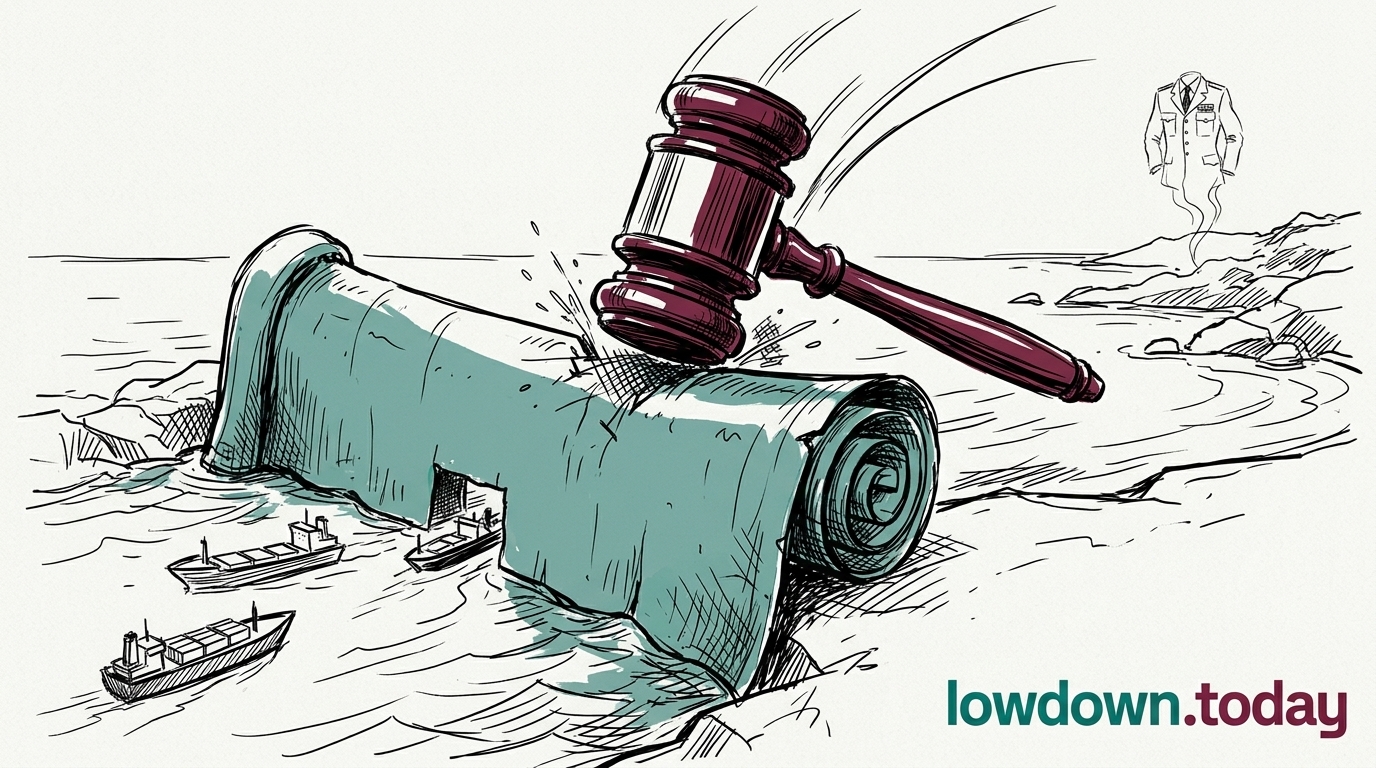
What Ghalibaf calls violated the Majlis never ratified. Iran's parliament was never asked to vote the Islamabad memorandum through as a treaty, which is why hardline MPs Abootorabi and Nabavian are threatening an Article 77 constitutional complaint rather than a withdrawal motion 2. The complaint would target the government for binding Iran to a text Parliament never approved. The escalation runs through the executive and through public statements, not the parliamentary record.

Deep Analysis

In plain English

Mohammad Bagher Ghalibaf is the speaker of Iran's parliament (the Majlis) and was Iran's lead negotiator on the ceasefire deal with the US, known as the Islamabad memorandum. He has now said publicly that the US broke that deal and that Iran will not back down. Separately, two hardline members of parliament are threatening to use a constitutional rule, Article 77, to argue the deal was never legally binding in the first place because parliament itself never voted on it. Together, these moves suggest Iran's political establishment is hardening its position, alongside its military.

Deep Analysis
Root Causes

Article 77 of Iran's constitution requires the Majlis to ratify international treaties; the Islamabad memorandum was signed as an executive-level understanding, not a treaty, leaving hardline MPs Abootorabi and Nabavian a genuine constitutional lever to argue it never bound Iran domestically.

The succession crisis compounds the legal gap: with Mojtaba Khamenei absent from public view since his father's funeral and reportedly injured, no figure with unquestioned authority has stepped in to overrule Ghalibaf's reading of the memorandum, leaving the Majlis speaker's interpretation effectively unchallenged.

What could happen next?
  • Consequence

    If the Article 77 complaint advances, it gives Iran's negotiators formal domestic cover to abandon the memorandum's terms without appearing to break faith with Washington unilaterally.

First Reported In

Update #150 · Second US strike wave, first heavy toll

bne IntelliNews· 9 Jul 2026
Read original
Causes and effects
This Event
Ghalibaf says Iran will not fold
With its chief negotiator now calling the memorandum violated, Tehran has taken its hardest public line since June, even though parliament never ratified the deal.
Different Perspectives
Oil traders
Oil traders
Sent Brent down 2.29 per cent to $98.38 a barrel on reports that mediation was reviving, moving the price on CENTCOM's quiet night rather than on Trump's same-day promise of a bigger operation with no deadline attached.
Iran
Iran
An Iranian official called the same mediation account completely misleading, denying it received any US proposal via Baghdad on the same day Iraq denied delivering one, leaving neither denial able to settle what actually passed between the two capitals.
Iraq
Iraq
Called groundless the New York Times account that its prime minister carried a US ceasefire proposal to Tehran, a denial that also protects Baghdad's effort to avoid becoming a party to a war fought by aircraft it does not control.
OHCHR
OHCHR
Recorded 17 civilian seafarer deaths since the war began, a population neither the Pentagon nor Iran's Health Ministry counts in its own tally, and called for urgent action on 6,000 crew stranded across roughly 400 vessels in the Strait of Hormuz.
Houthis
Houthis
Enforced the blockade on Saudi-linked shipping it declared on 20 July by hitting the NCC Masa and then an Aramco facility at Jazan, moving from radio warnings to strikes on land after four days without a confirmed hit.
Saudi Arabia
Saudi Arabia
Struck Houthi military sites near Hodeidah the same day the NCC Masa was hit, while its coalition spokesman insisted Hodeidah, Ras Issa and Salif all remain open to navigation. The distinction protects the ports Yemen's population depends on for food and fuel even while punishing the group behind the tanker strike.