Skip to content
You can now search across every topic, entity and event.What's new
Iran Conflict 2026
22MAR

Iran mines Kharg beaches for US landing

1 min read
05:50UTC

Tehran is laying anti-personnel traps and positioning anti-aircraft missiles on the island that handles 90% of Iran's oil exports.

ConflictDeveloping
Key takeaway

Iran is preparing to make any Kharg landing as costly as possible; the strategic prize may not justify the military price.

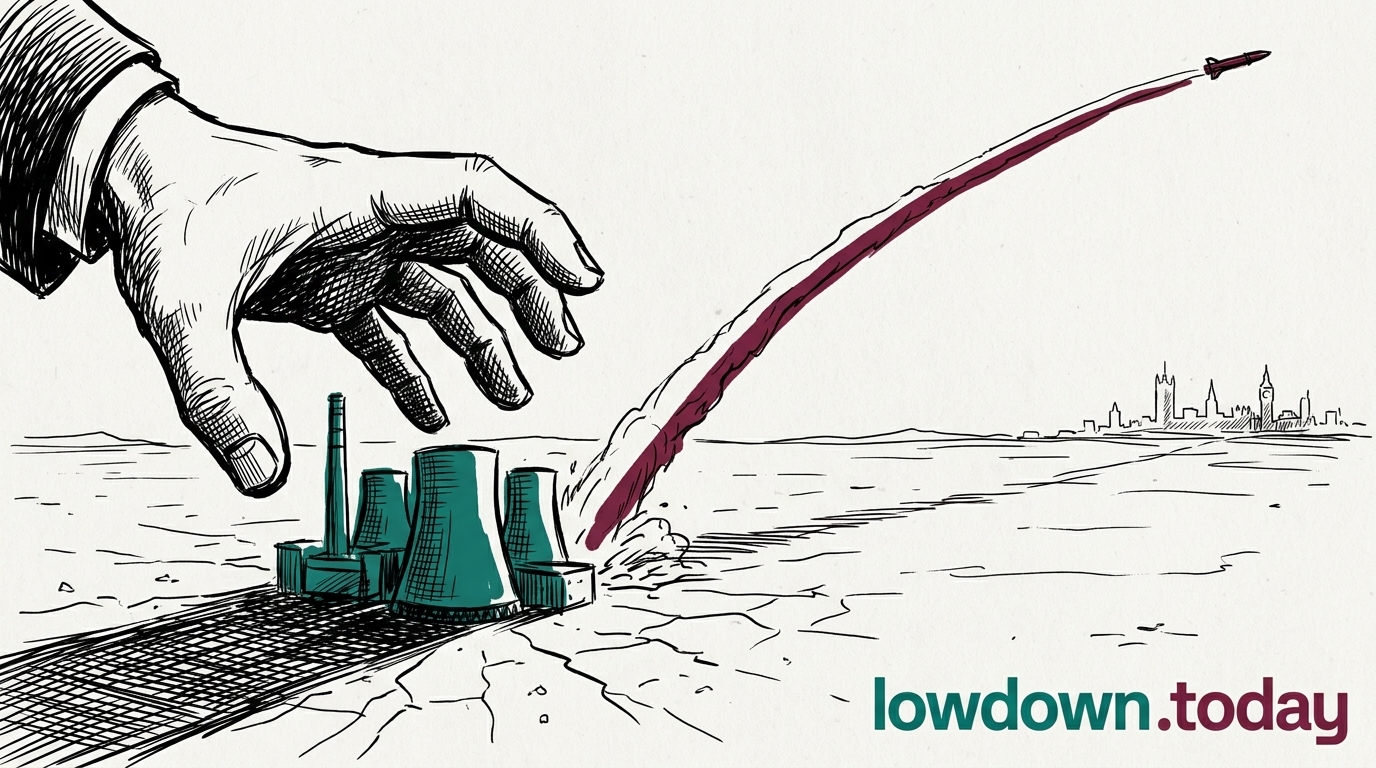
CNN reported, citing US intelligence sources, that Iran has laid anti-personnel and anti-armour mines on Kharg Island's shoreline, deployed MANPADs (shoulder-fired anti-aircraft missiles) around the perimeter, and reinforced its HAWK anti-aircraft batteries 1. Kharg handles 90% of Iran's oil exports.

The Islamic Revolutionary Guard Corps (IRGC) began the fortification after the Pentagon confirmed planning for a US Marine amphibious seizure of the island . Admiral James Stavridis, former NATO Supreme Allied Commander, told NBC: "The Iranians are clever and ruthless. They will do everything they can to inflict maximum casualties" 2.

Seizing Kharg would not reopen the Strait of Hormuz. Iran can close the strait from mainland coastal batteries and drone launchers that Kharg does not control. CENTCOM (US Central Command) has struck the island's military targets before, but a ground seizure is a different order of operation. The logic is leverage: hold Iran's oil revenue hostage until Tehran reopens the waterway.

Deep Analysis

In plain English

The US is considering sending Marines to capture a small island off Iran's coast that handles almost all of Iran's oil. The idea is to hold the island hostage. But Iran has been mining the beaches with explosives and bringing in missiles. Military experts warn this could produce heavy American casualties, and even success would not reopen the shipping lane the world needs.

Deep Analysis
Escalation

A ground operation on Kharg would be the first US troops on Iranian soil and the war's most significant escalation.

What could happen next?
  • Risk

    Significant US Marine casualties likely against prepared defences

  • Consequence

    Kharg seizure would not reopen Hormuz

First Reported In

Update #48 · Iran rejects ceasefire; Kharg fortified

CNN· 26 Mar 2026
Read original
Different Perspectives
Oil market and P&I insurers
Brent cleared $87 intraday only once CENTCOM's blockade became physical rather than declared, even though P&I Clubs had already excluded Hormuz war risk a week earlier on 7 July: capital hedged ahead of enforcement, but prices moved only after it.
UAE reporting
UAE reporting
UAE reporting placed the Omani tanker deaths at one seafarer against the International Maritime Agency's count of two, the first time in this war that a Gulf state's casualty figures have diverged from an international monitor's.
Jordan
Jordan
Iranian strikes reached Jordan again on 14 July as part of the Gulf-wide retaliation for the Hormuz blockade, extending the conflict's geographic footprint to a state with no direct stake in the strait itself.
Bahrain
Bahrain
Bahrain sounded air-raid sirens on 14 July during Iran's Gulf-wide retaliation, the same day CENTCOM's blockade order and fourth night of strikes pushed the conflict's physical reach into the wider Gulf littoral.
Kuwait
Kuwait
Kuwait intercepted Iranian missiles and drones on 14 July as Tehran's blockade retaliation reached Gulf states beyond Iran's immediate shoreline, confirming Kuwaiti airspace now sits inside Iran's retaliatory envelope.
Oman
Oman
Oman absorbed the war's first tanker casualties in its own waters on 14 July, with two supertankers disabled and seafarers killed, putting the sultanate's shipping lanes directly in the path of the blockade fight for the first time.