Skip to content
Welcome, thoughtbot's Giant Robots listeners!Start here
Iran Conflict 2026
17OCT

Oil prices a Hormuz reopening that has not happened

4 min read
18:37UTC

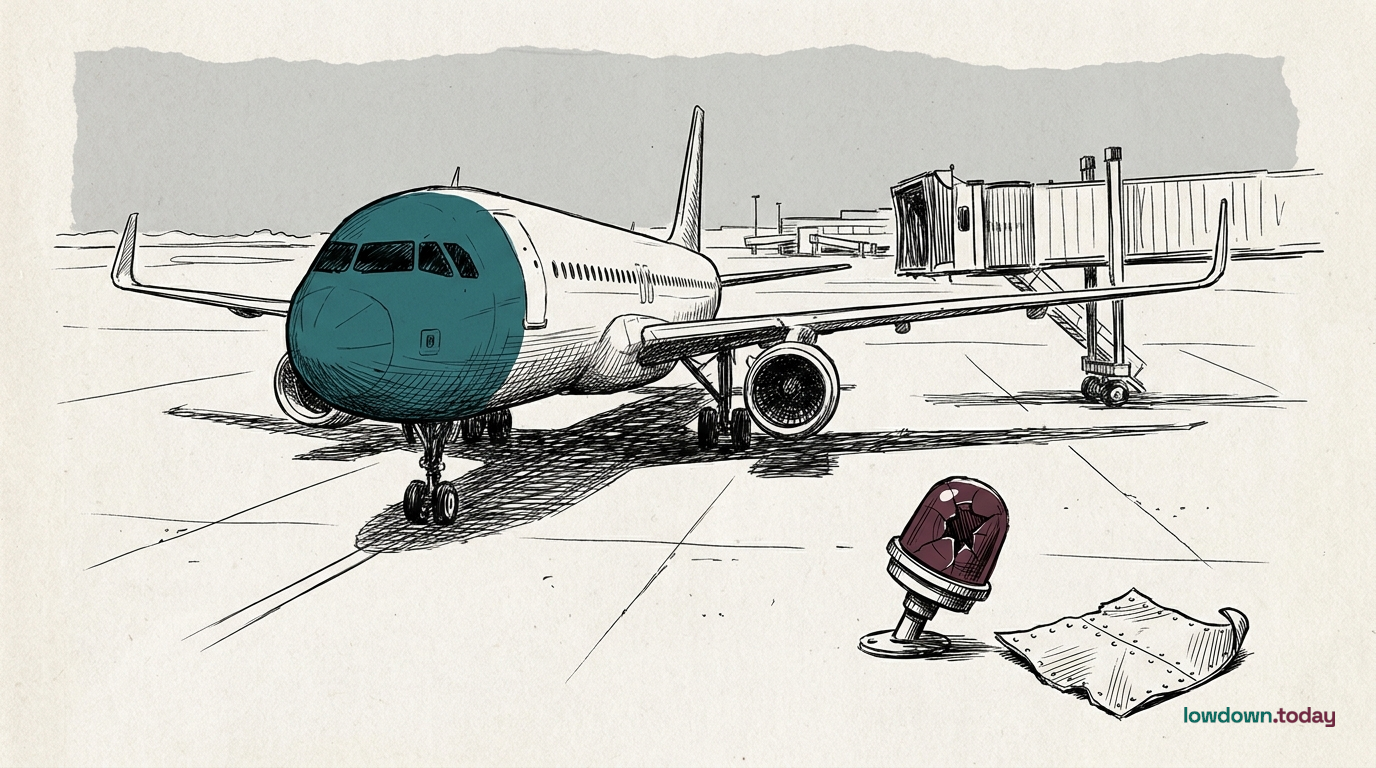
Brent crude fell to about $77.22 on 18 June, a pre-war level, while not one tanker resumed transit, insurers kept the strait excluded and the mines stayed live. The market is reading the signature; the water disagrees.

ConflictDeveloping
Key takeaway

Brent is pricing a reopening that no insurer, mine crew or transit log has yet confirmed on the water.

Brent Crude, the benchmark that sets the price of roughly two-thirds of internationally traded oil, fell to about $77.22 on 18 June, down 6.9 per cent from $82.98 and back to a level last seen before the war⁠1. Traders treated the signed Islamabad Memorandum of Understanding (MoU) as a completed reopening of the Strait of Hormuz. Not one tanker resumed transit.

The physical strait tells a different story from the screen. No Protection and Indemnity (P&I) club, the mutual insurers that cover roughly 90 per cent of ocean-going tonnage, has lifted its Hormuz war-risk exclusion; premiums sit at four to twenty times pre-war levels, and transits run near 6 per cent of baseline. Mine-clearance crews are still working uncleared waters: an IRGC vessel issued a radio warning to a US warship during that work on signing day. None of that has reached the insurance market that decides whether a hull moves.

Brent had touched $87.33 only days earlier and slipped below $90 when the ceasefire first looked probable; the slide now prices an operational resumption rather than a rising probability of one. If the OFAC waiver never lands, or the 60-day toll-free window lapses into a fee, the gap between paper and water closes upward. Brent at $77 runs several weeks ahead of any operational change in the strait itself.

Deep Analysis

In plain English

Financial markets and physical ships operate on different clocks. Traders in London can reprice oil within seconds of reading a news headline. A tanker captain deciding whether to sail through the strait of Hormuz needs to know the mines have been cleared, that his insurance still covers him, and that an armed vessel will not stop him halfway through. On 18 June, Brent fell 6.9% to $77.22 as traders priced the deal as a completed reopening. Yet BIMCO, the world's largest shipowner association, confirmed no P&I club had lifted its war-risk exclusion. CENTCOM's two carrier groups continued redirecting vessels. Iranian-laid mines remained uncleared. Zero commercial tankers completed a Hormuz transit that day. The price moved; the strait did not.

What could happen next?
  • Risk

    If no commercial tanker completes a Hormuz transit by 25 June, Brent is likely to rebound toward $82 to $84 as traders recognise the physical-to-paper gap.

    Immediate · Assessed
  • Consequence

    Saudi Arabia's four idle supergiant fields , representing 2 to 2.5 million barrels per day of capacity , will not restart until owners confirm Hormuz is operationally clear, because VLCC loading at Safaniya and Ras Tanura exits via the strait.

    Short term · Assessed
  • Opportunity

    The first commercial VLCC completing a Hormuz transit under P&I cover would be the most significant operational market signal since the conflict began, likely accelerating the Brent decline by a further $3 to $5.

    Short term · Reported
First Reported In

Update #131 · Iran deal's first death tests the text

CNBC· 18 Jun 2026
Read original →
Different Perspectives
International Energy Agency
G7 members agreed on 2 October to release up to 100 million barrels through the IEA over four months, front-loading diesel.
China
China
China signed the 15 October text reaffirming the Resolution 2216 arms embargo on the Houthis. The Wall Street Journal reported that Conflict Armament Research found Chinese parts in a Houthi copy of Iran's Kheibarshekan missile.
Russia
Russia
Russia joined the 15 October consensus condemning the Houthis, a month after vetoing a mandate for a UN panel of experts on Iran sanctions on 17 September. One Western official told Bloomberg that Moscow is providing Iran with missiles, and the White House rejected the assessment.
India
India
National Security Adviser Ajit Doval raised seafarer safety with Mohsen Rezaei on 12 October, after a drone hit the Petro Dolphin with 11 Indians aboard at Sohar. External Affairs Minister S. Jaishankar urged that attacks on commercial shipping and seafarers be avoided.
Lebanon
Lebanon
President Joseph Aoun met UN peacekeeping chief Jean-Pierre Lacroix in Beirut on 14 October as UNIFIL winds down before its mandate ends on 31 December. Two days later Qatar's prime minister pledged in Beirut to fund a solar plant for Lebanon.
Kataib Hezbollah
Kataib Hezbollah
The militia announced a halt to operations except against "hostile aircraft" and denied any disarmament deal with Prime Minister Ali al-Zaidi. A day later Quds Force chief Esmail Qaani urged eliminating "remaining traces of the US presence in other arenas".

Written with AI from Lowdown's published reporting. Not individually reviewed by an editor. Editorial standards.