Skip to content
Welcome, thoughtbot's Giant Robots listeners!Start here
Iran Conflict 2026
3SEP

Houthis fire second barrage at Israel

2 min read
16:40UTC

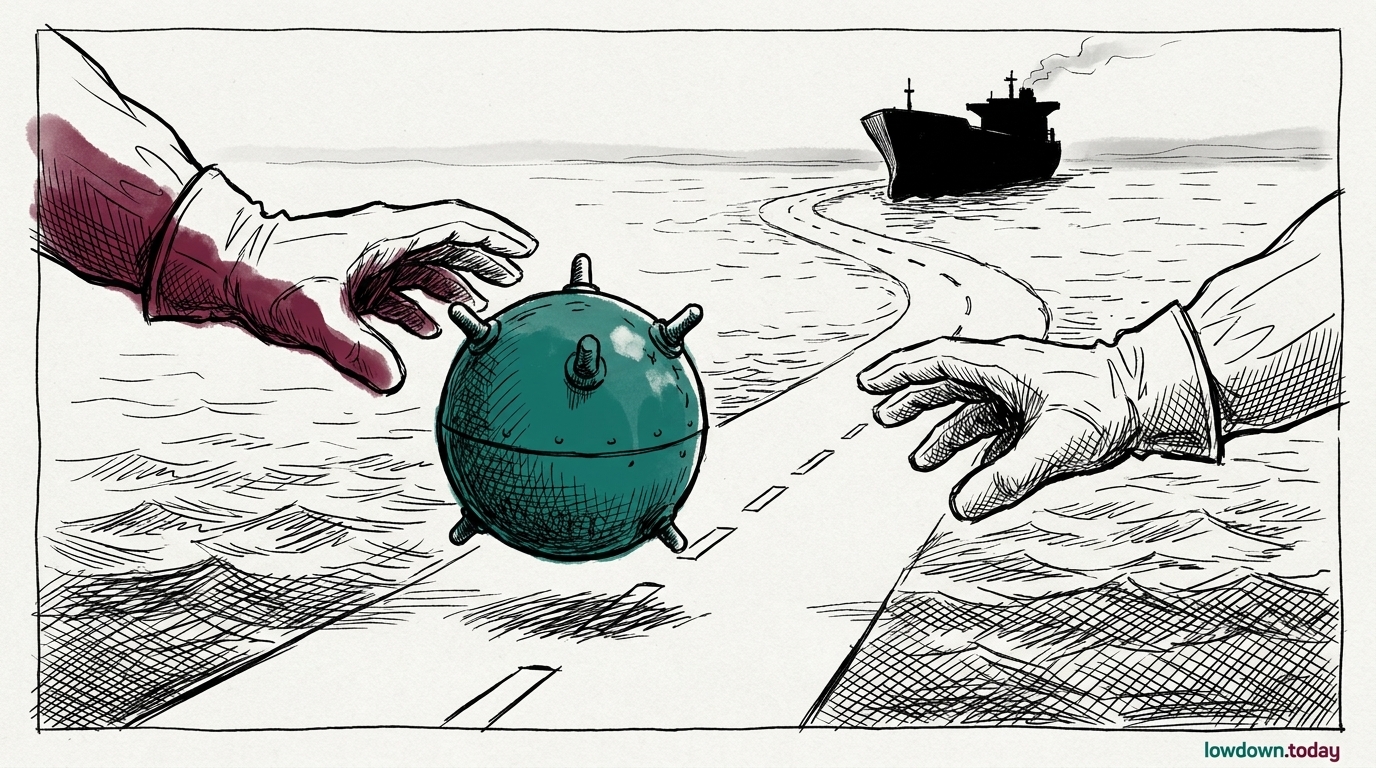
The second Houthi missile and drone attack on Israel in a single day confirms staged escalation, with Bab al-Mandeb closure declared openly as the next step.

ConflictDeveloping
Key takeaway

A second Houthi barrage in 24 hours confirms Iran's proxy network is activating in sequence.

The Houthis (Ansar Allah) fired their second missile and drone barrage at Israel on 29 March, following their first attack the previous day. Israeli military claimed interceptions; targets included what the Houthis described as "sensitive military sites" in southern Israel⁠1. Deputy information minister Mohammed Mansour has explicitly threatened Bab al-Mandeb closure as part of a staged escalation programme.

Tehran coordinated the timing. Houthi entry came the day after Pakistan confirmed US-Iran indirect talks had stalled and the day Iran published its five conditions. Two attacks in 24 hours is a demonstration of sustainable tempo, not a one-off provocation. The Long War Journal reports that Houthi leaders have conditioned further escalation on whether other nations join anti-Iran operations or use the Red Sea for strikes against Iran's allies.

The strategic problem is compounding. Hezbollah fired 600 projectiles at Israel on 28 March. The Houthis are now adding a second axis. Iran's proxy network is activating in sequence, each front requiring separate defensive resources from a coalition already stretched by the primary conflict.

Deep Analysis

In plain English

Yemen's Houthi movement, which controls most of northern Yemen including the Red Sea coast, is an Iranian-aligned armed group. On 28 March it fired its first missiles at Israel. Within 24 hours it fired a second wave. This matters because the Houthis also control the Bab al-Mandeb strait, the other end of the Red Sea from Hormuz. They have now explicitly threatened to close it. The situation in brief: Iran controls one end of the Gulf-to-Red Sea shipping corridor through Hormuz. Its Houthi allies may be about to close the other end at Bab al-Mandeb.

Deep Analysis
Root Causes

The Houthi activation followed Pakistan's confirmation that indirect US-Iran talks had stalled. Tehran appears to have calibrated proxy activation against the diplomacy clock: when talks collapsed, the proxy network activated. This suggests a deliberate coercive strategy rather than autonomous Houthi decision-making.

The Houthis have their own motivations that partially overlap with Tehran's. Bab al-Mandeb closure would be the single largest expression of Houthi strategic power and a recruiting and fundraising windfall domestically in Yemen.

First Reported In

Update #51 · Iran hits aluminium plants; Hormuz emptying

Al Jazeera· 29 Mar 2026
Read original →
Different Perspectives
International Energy Agency
G7 members agreed on 2 October to release up to 100 million barrels through the IEA over four months, front-loading diesel.
China
China
China signed the 15 October text reaffirming the Resolution 2216 arms embargo on the Houthis. The Wall Street Journal reported that Conflict Armament Research found Chinese parts in a Houthi copy of Iran's Kheibarshekan missile.
Russia
Russia
Russia joined the 15 October consensus condemning the Houthis, a month after vetoing a mandate for a UN panel of experts on Iran sanctions on 17 September. One Western official told Bloomberg that Moscow is providing Iran with missiles, and the White House rejected the assessment.
India
India
National Security Adviser Ajit Doval raised seafarer safety with Mohsen Rezaei on 12 October, after a drone hit the Petro Dolphin with 11 Indians aboard at Sohar. External Affairs Minister S. Jaishankar urged that attacks on commercial shipping and seafarers be avoided.
Lebanon
Lebanon
President Joseph Aoun met UN peacekeeping chief Jean-Pierre Lacroix in Beirut on 14 October as UNIFIL winds down before its mandate ends on 31 December. Two days later Qatar's prime minister pledged in Beirut to fund a solar plant for Lebanon.
Kataib Hezbollah
Kataib Hezbollah
The militia announced a halt to operations except against "hostile aircraft" and denied any disarmament deal with Prime Minister Ali al-Zaidi. A day later Quds Force chief Esmail Qaani urged eliminating "remaining traces of the US presence in other arenas".

Written with AI from Lowdown's published reporting. Not individually reviewed by an editor. Editorial standards.